Location: Nagoya, NITech · Weather: sunny in the morning, pouring rain toward evening · Meals: tuna onigiri at noon, Burger King (avocado-mayo whopper) in the evening
Still at the hotel
I think I’m now sure I’m in Japan. For two reasons: one, I come down to reception at 9:30 and they will not, for the life of them, give me a breakfast voucher. Two, my wallet is nearly two kilos by now from all the coins. They’re useful almost everywhere. Lucky thing I use my SUICA card for travel. Oh, what’s a SUICA: a card you load money onto, and from then on you can use it for public transport across the whole country. Convenient, especially if you’d rather not queue for all the various top-up tickets just to get through the gate.
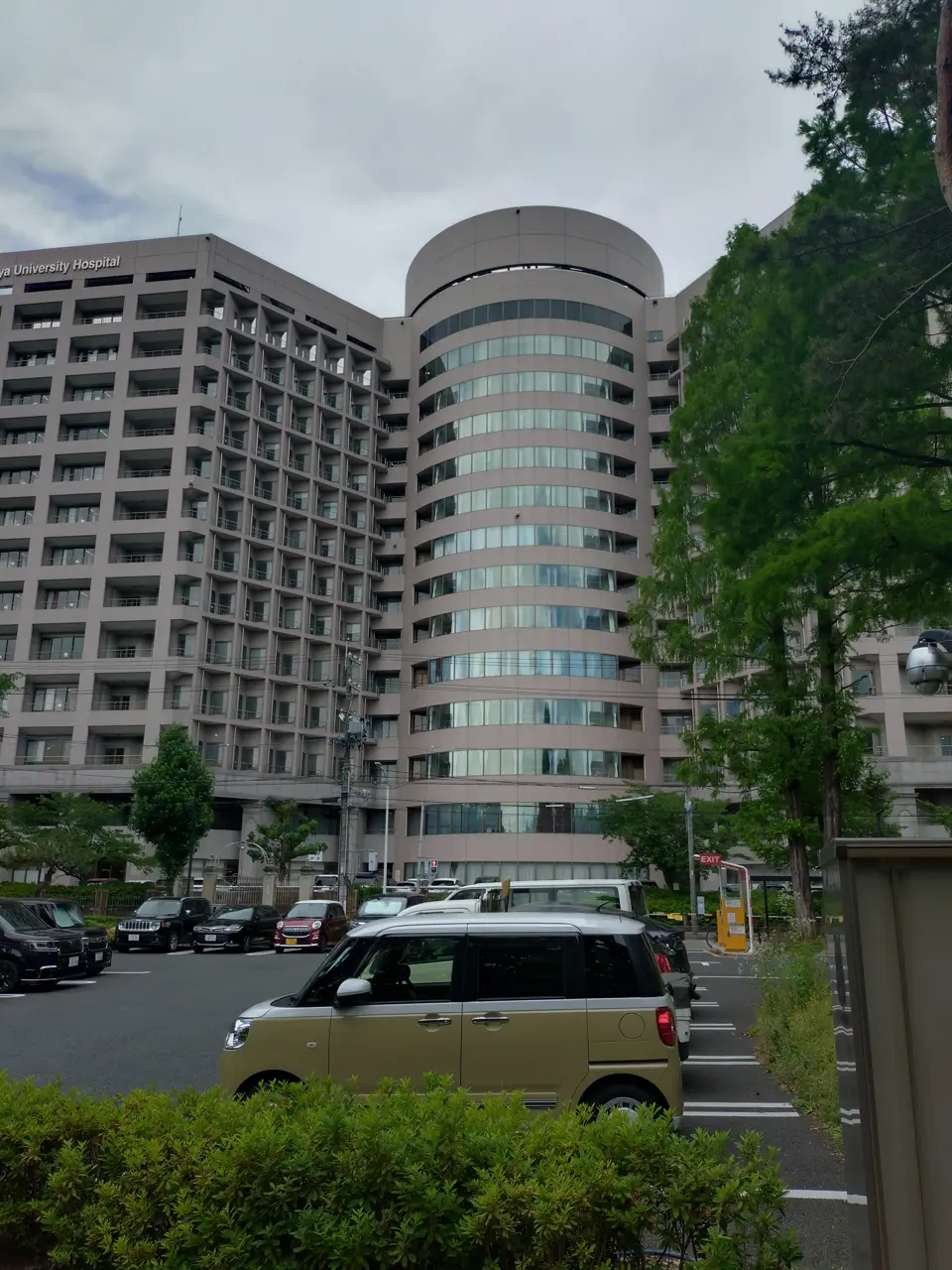
Checkout at 10, regardless. Beforehand I let the university know that, even if we didn’t rearrange the day, could I at least drop off my things. They agreed, and I got there before 11:00. I have to say the trip over was relatively uneventful.
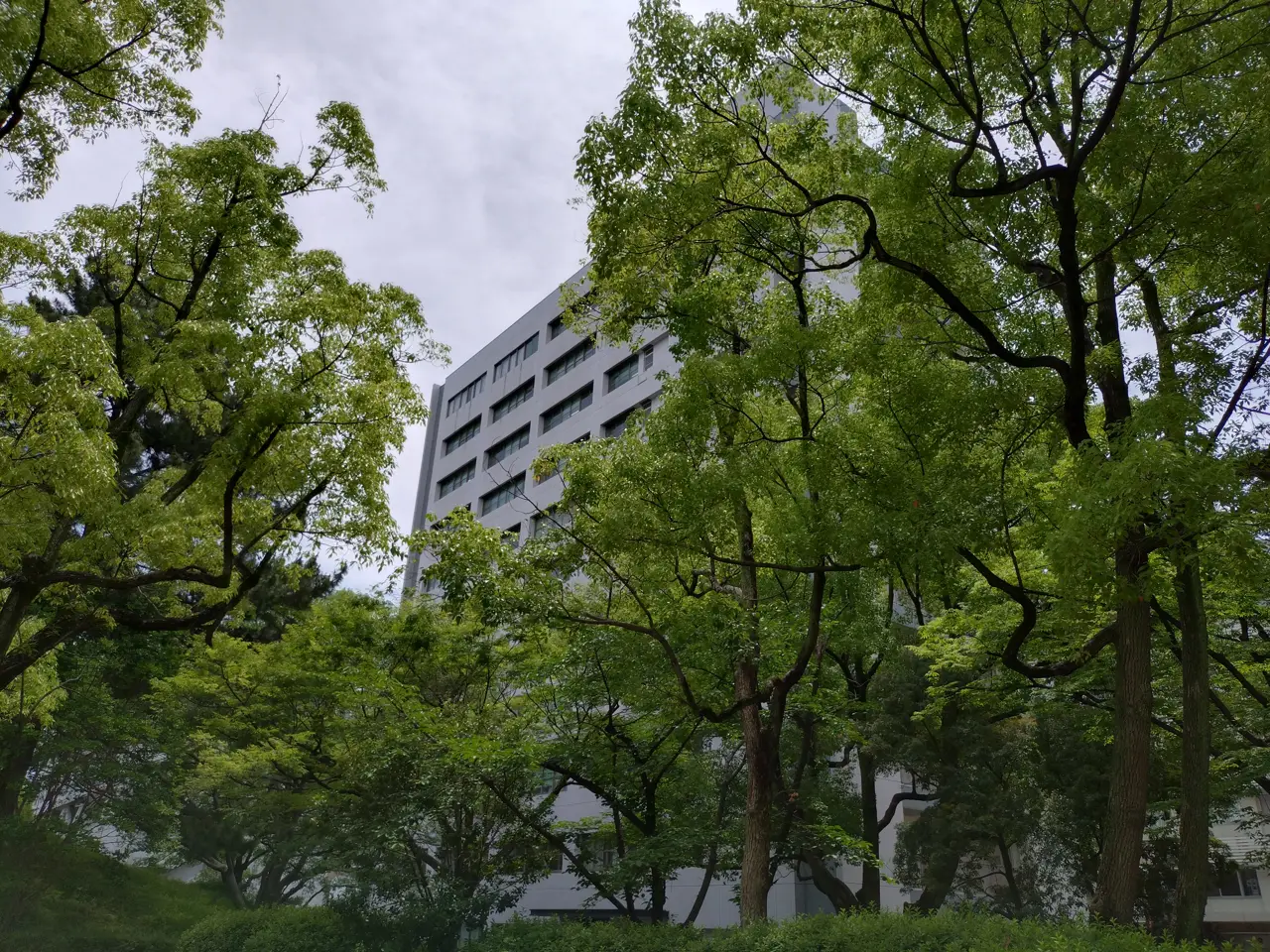
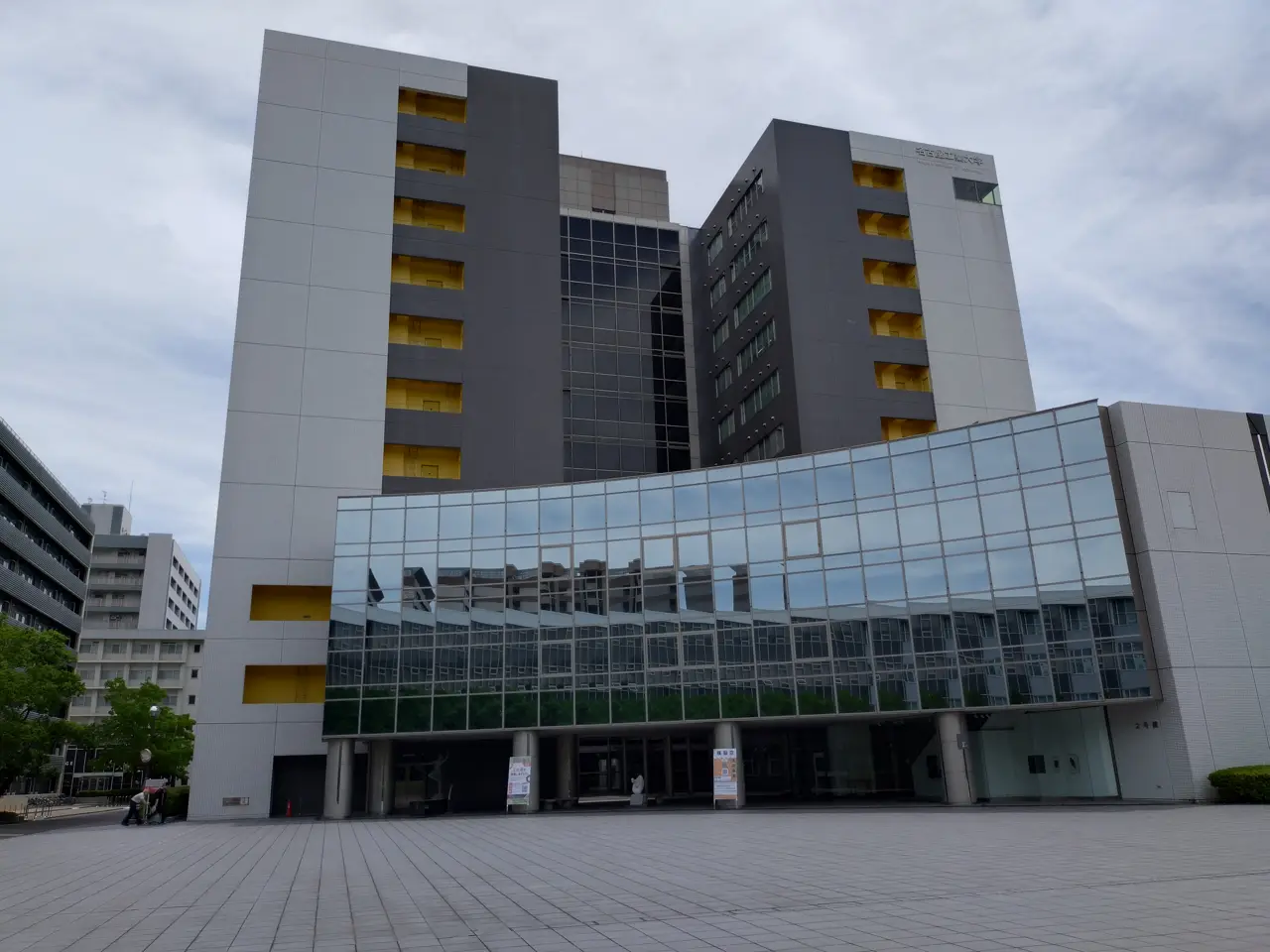
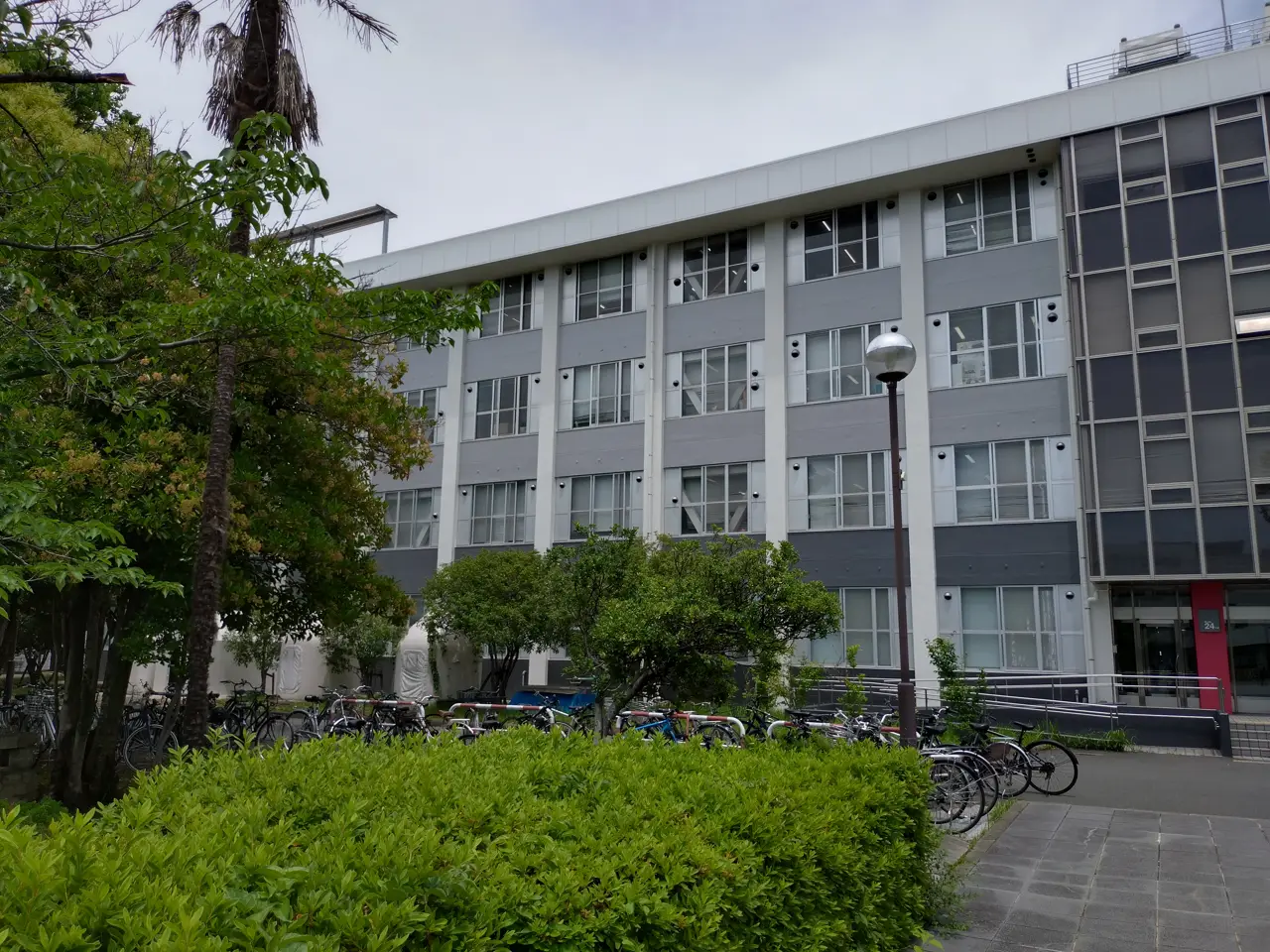
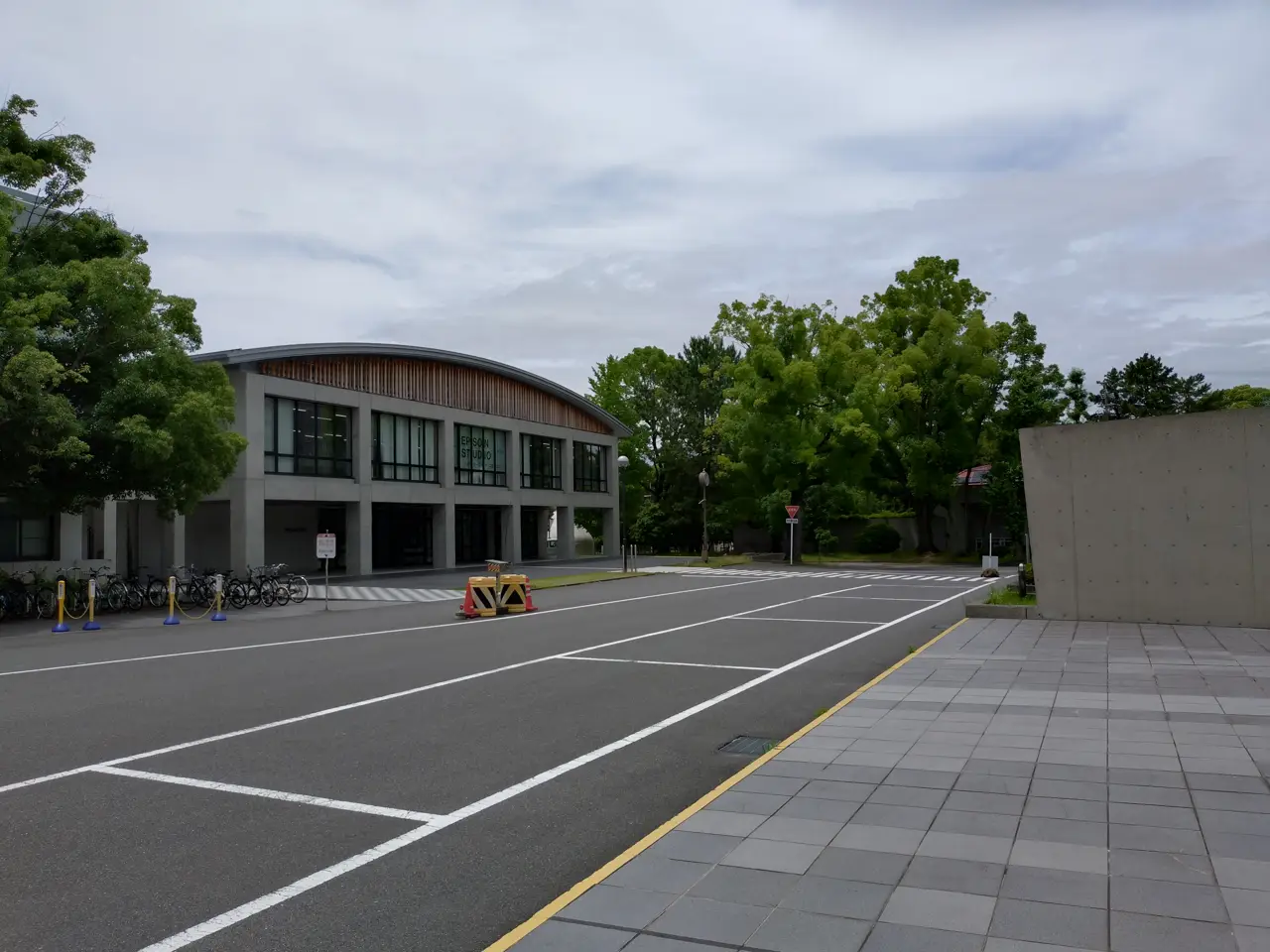
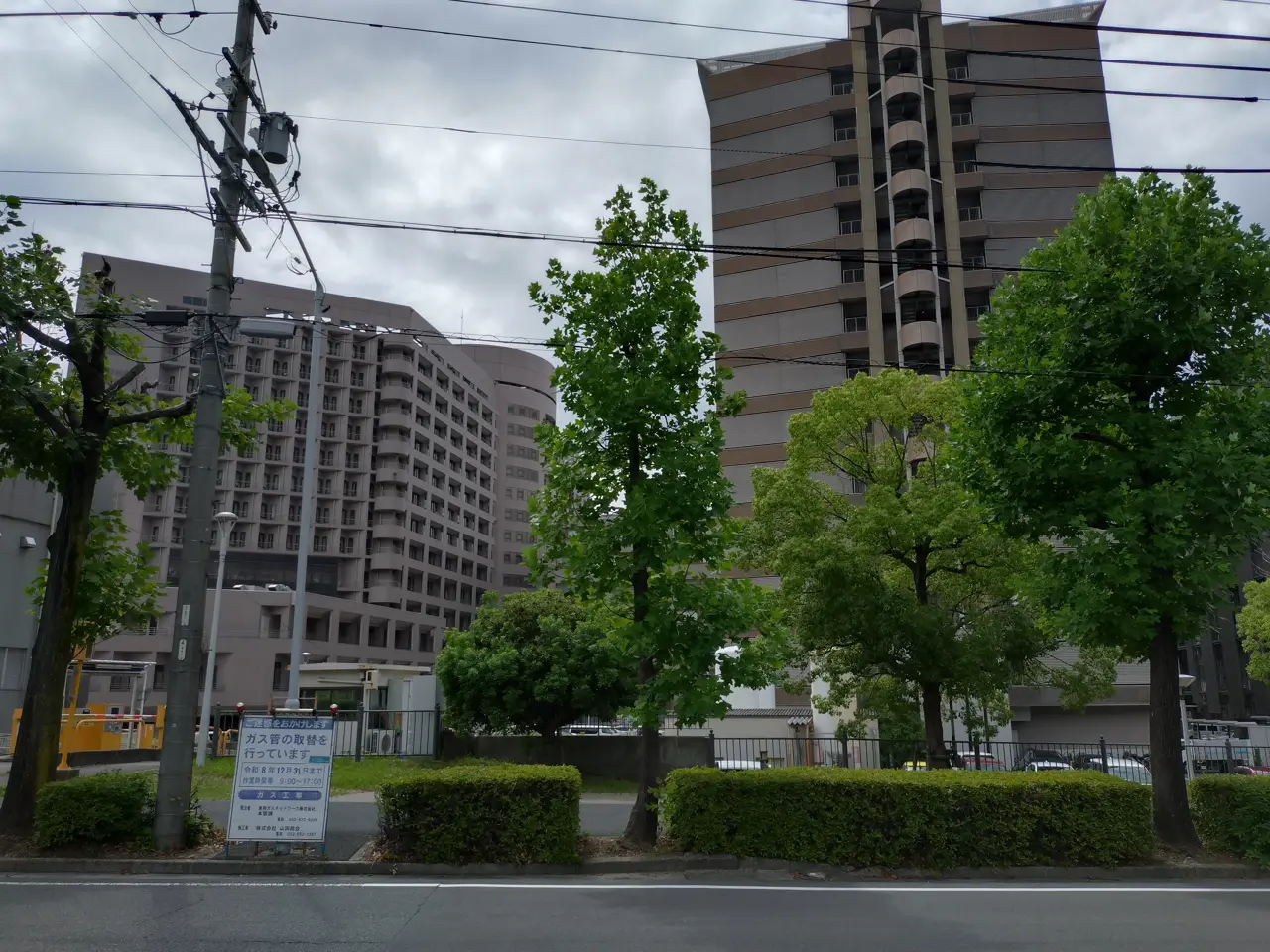
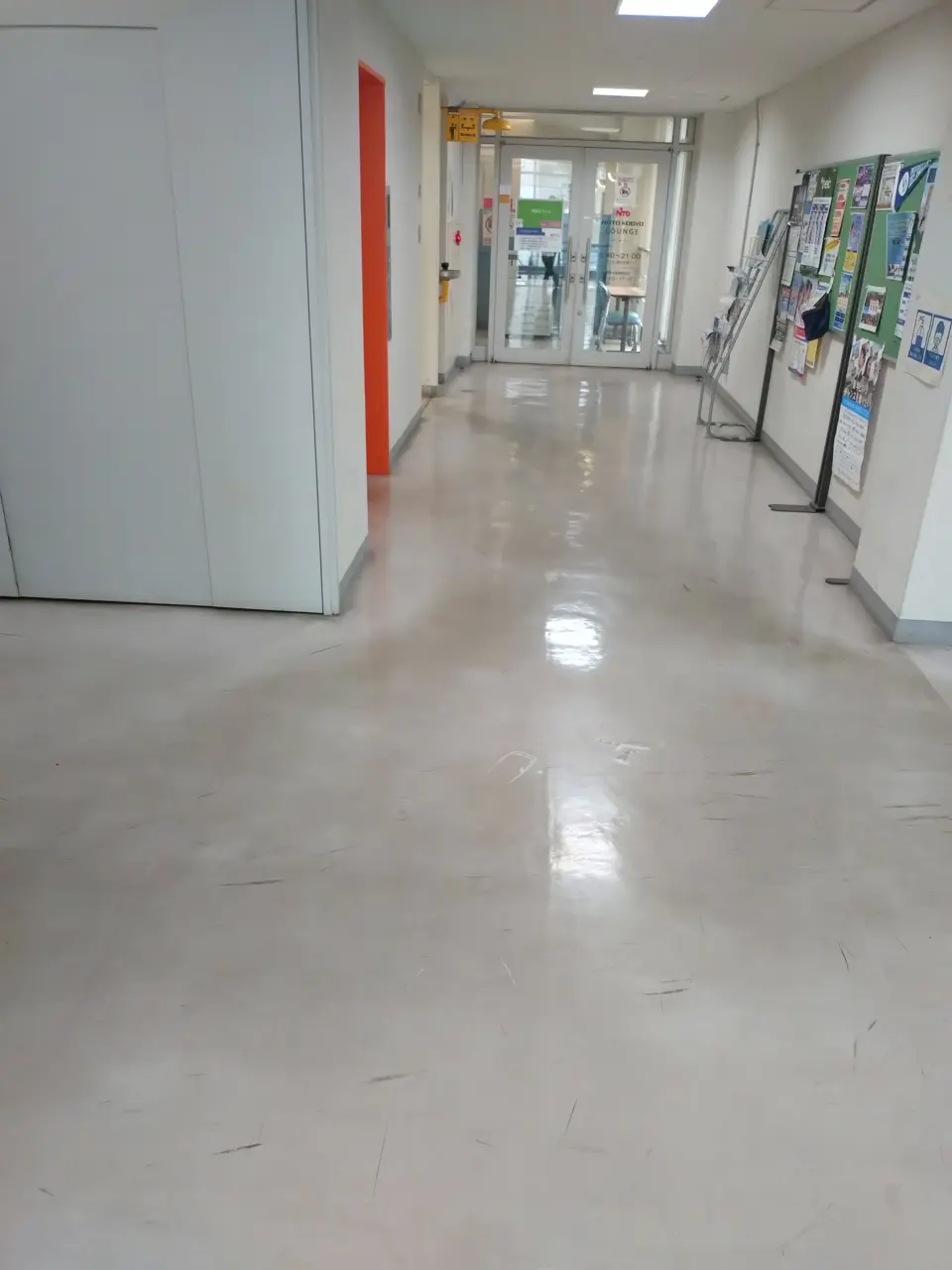
NITech
The moment I arrived, they spotted me as the one I am, of course. First, one of the international-office girls appeared right away and introduced herself. Then came the person from the international office I’d been in contact with all along. Needless to say, we quickly got onto the same wavelength. But it was still only 11, so I had to come back at 14:45.
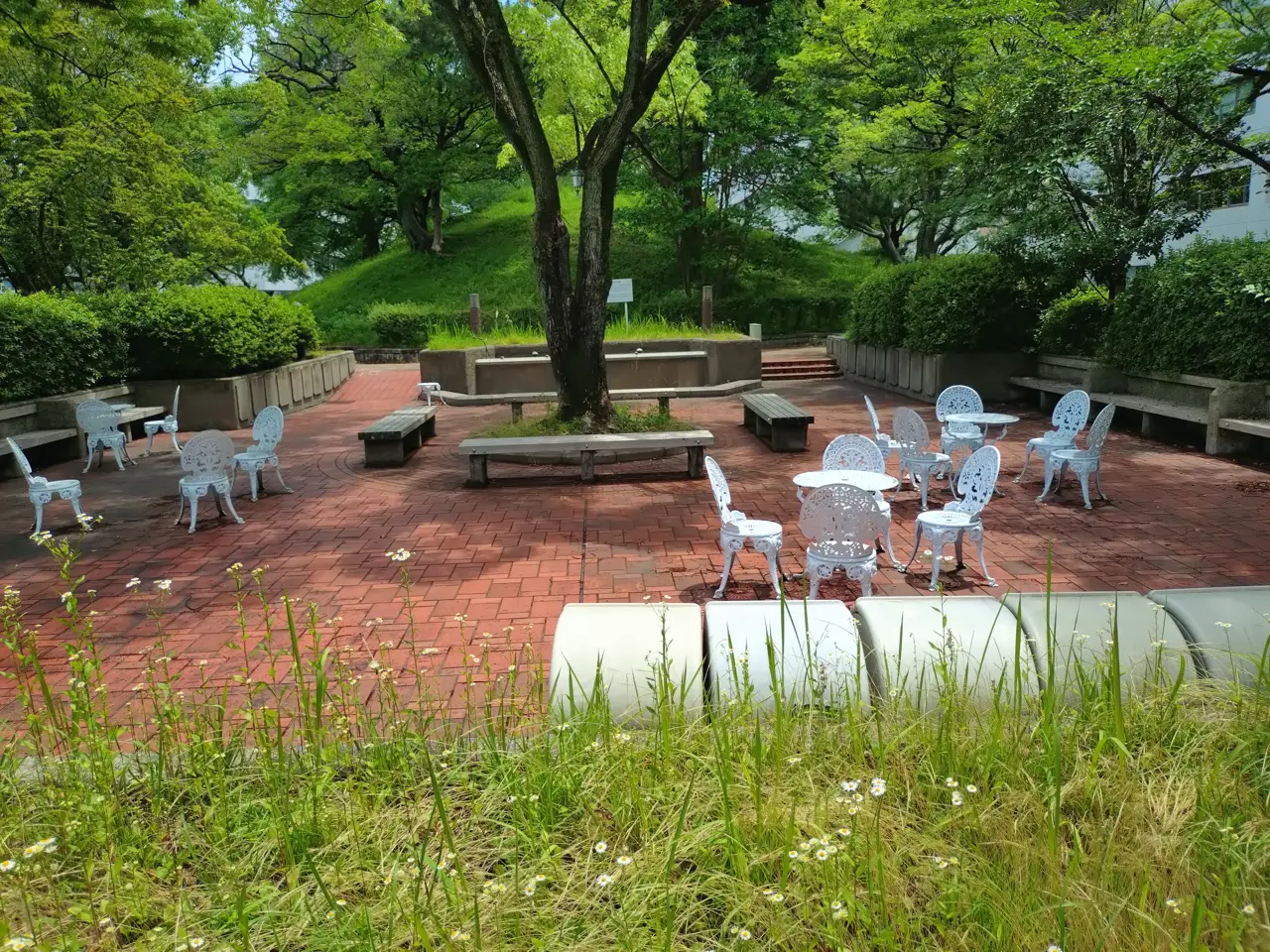
As it happens, you can easily spend nearly four hours at and around the university. I bought a tuna onigiri at the little shop attached to it. I can never eat it properly so that the nori (seaweed) stays on the onigiri. Either way, it’s one of my favourite foods. My only problem was that the moment I sat down outside, the bugs attacked: little tiger mosquitoes, plus sizeable, fingertip-sized stink bugs.
Tsuruma Park
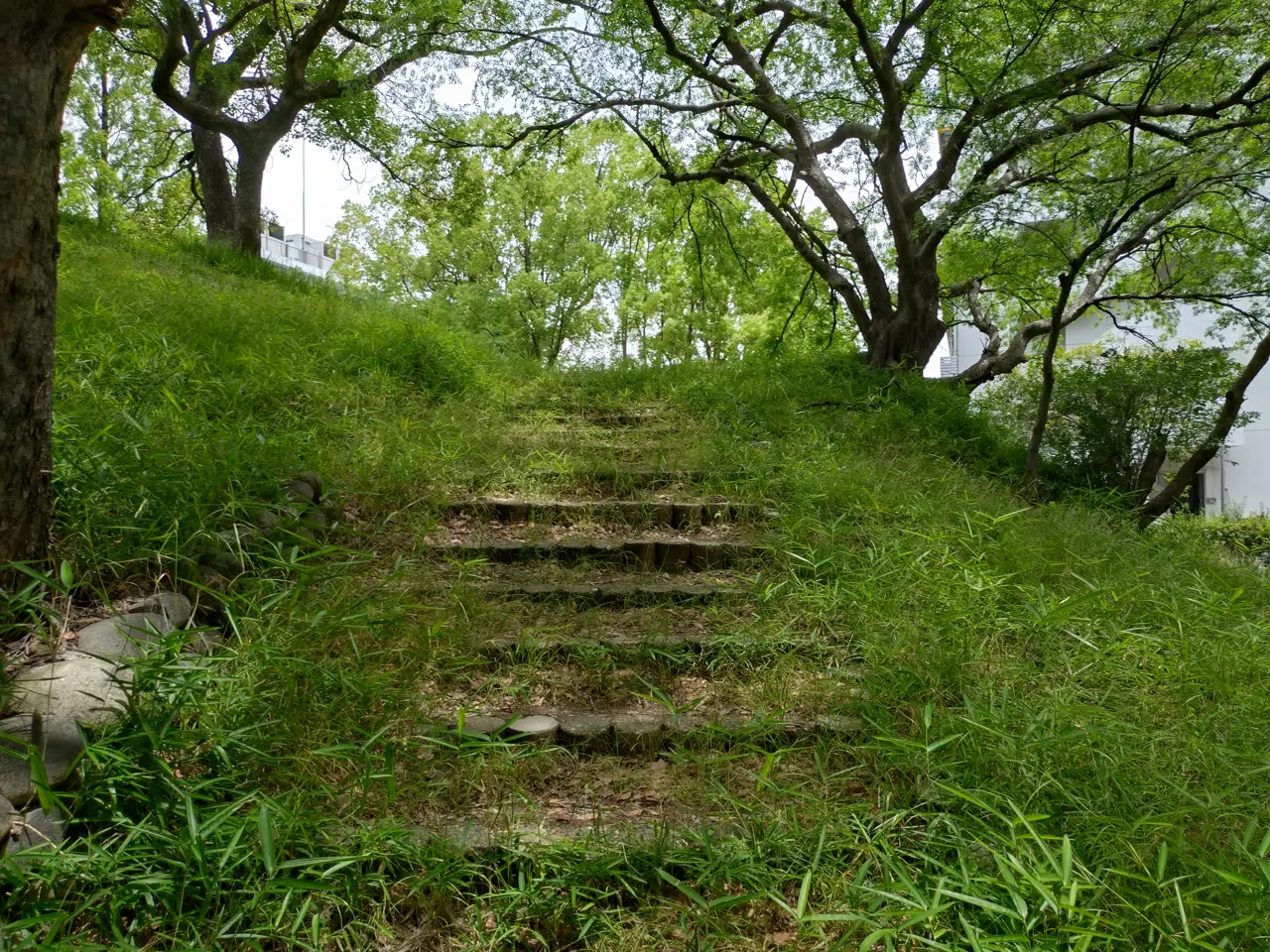
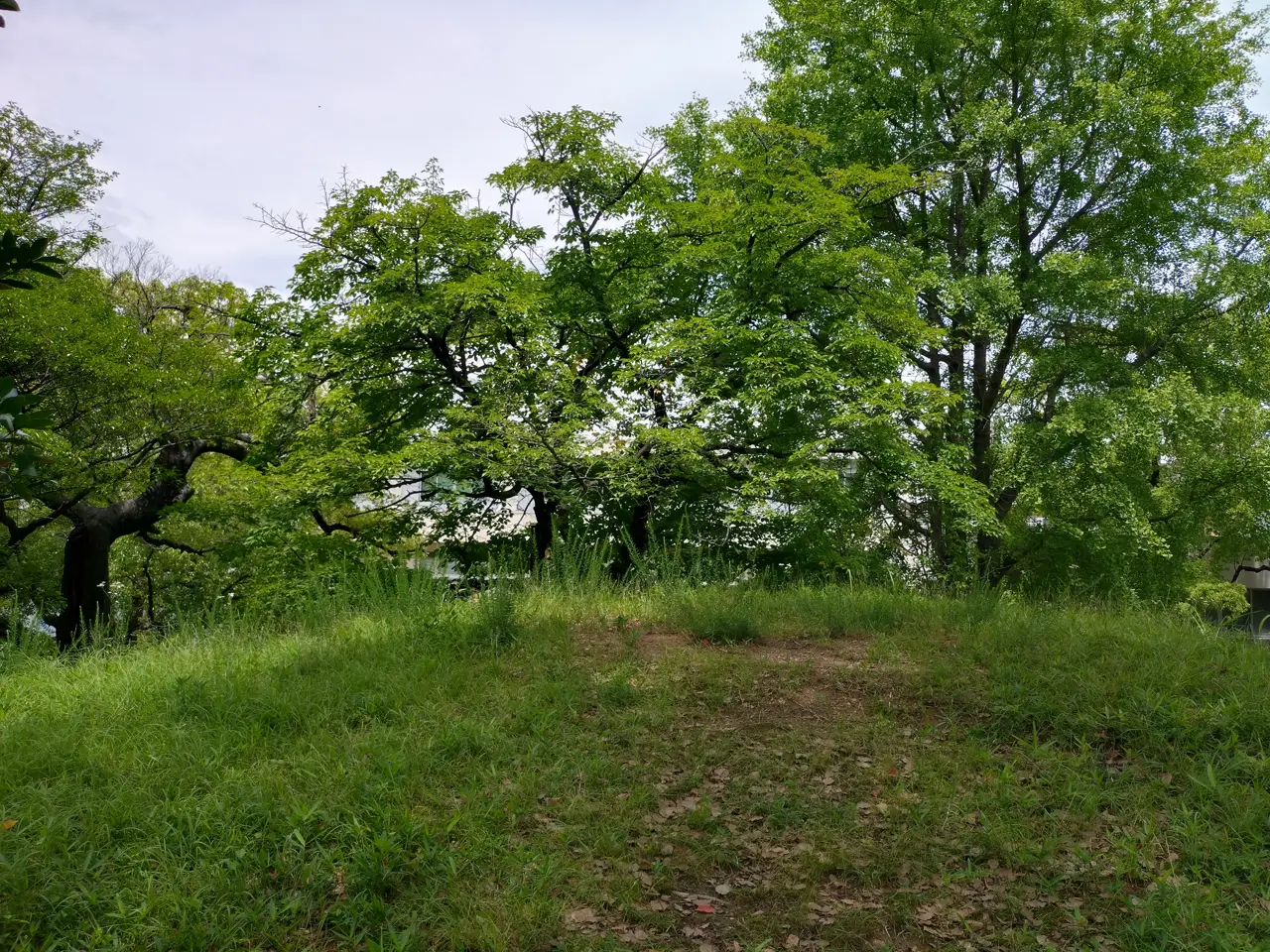
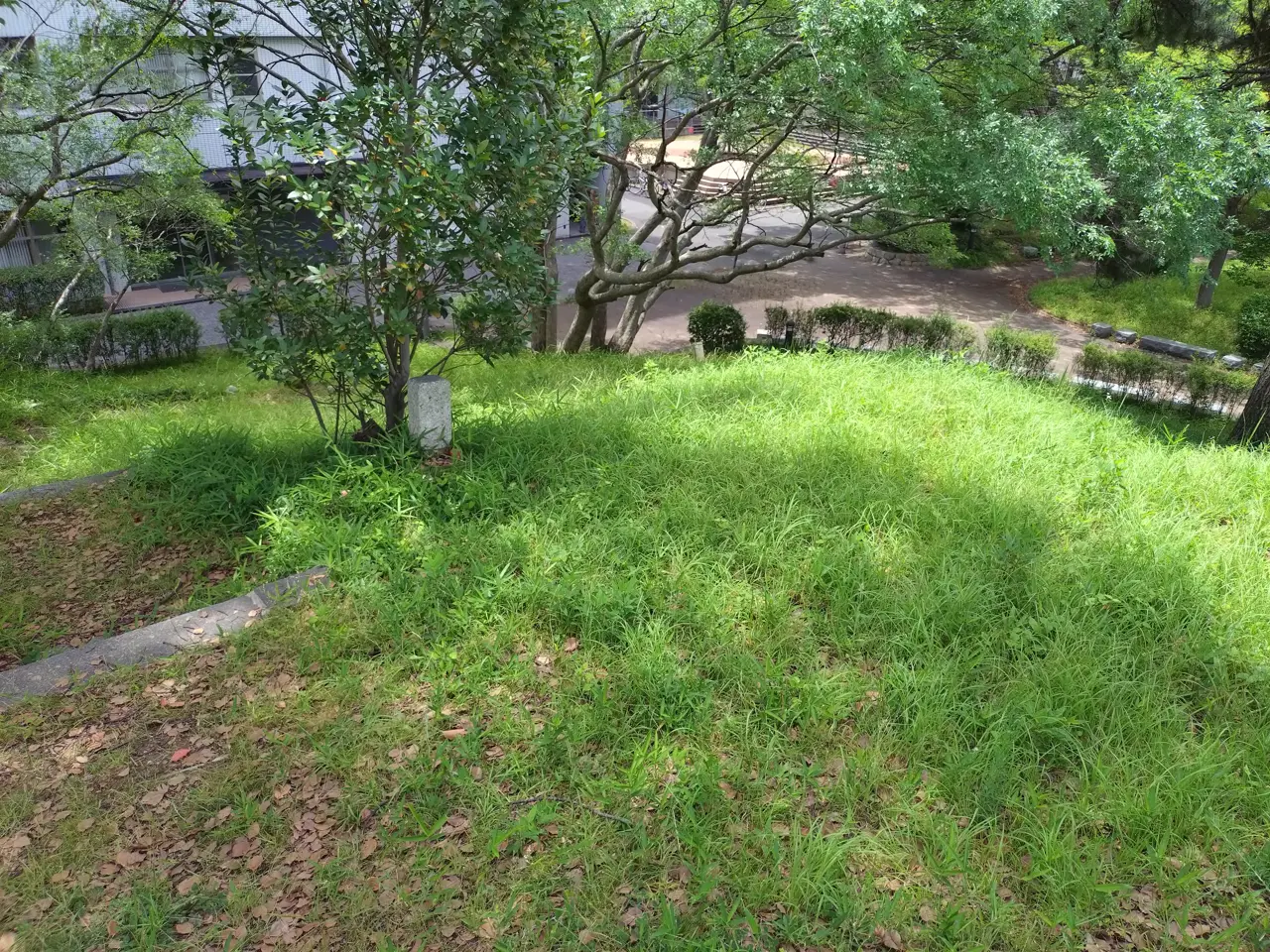
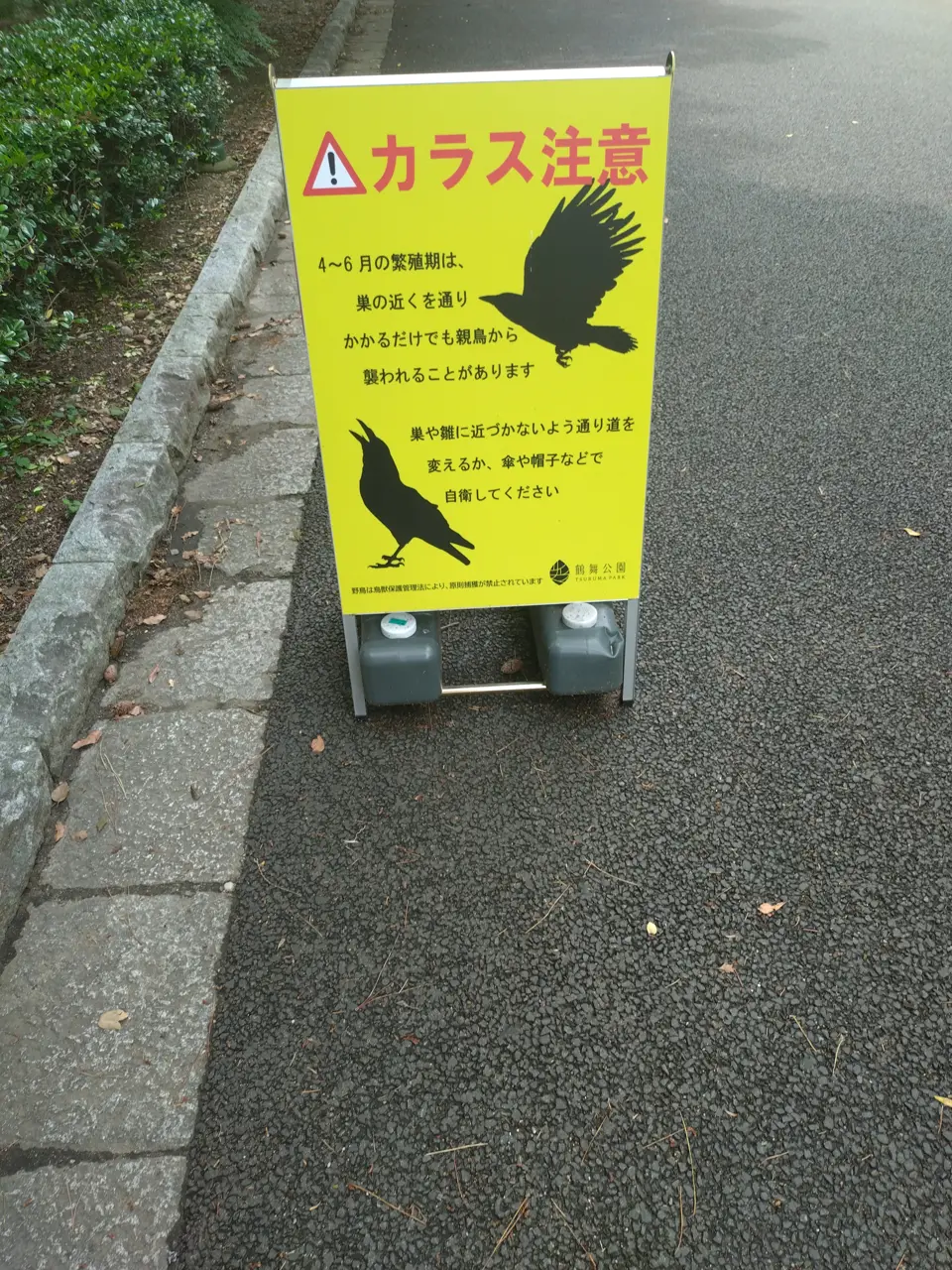
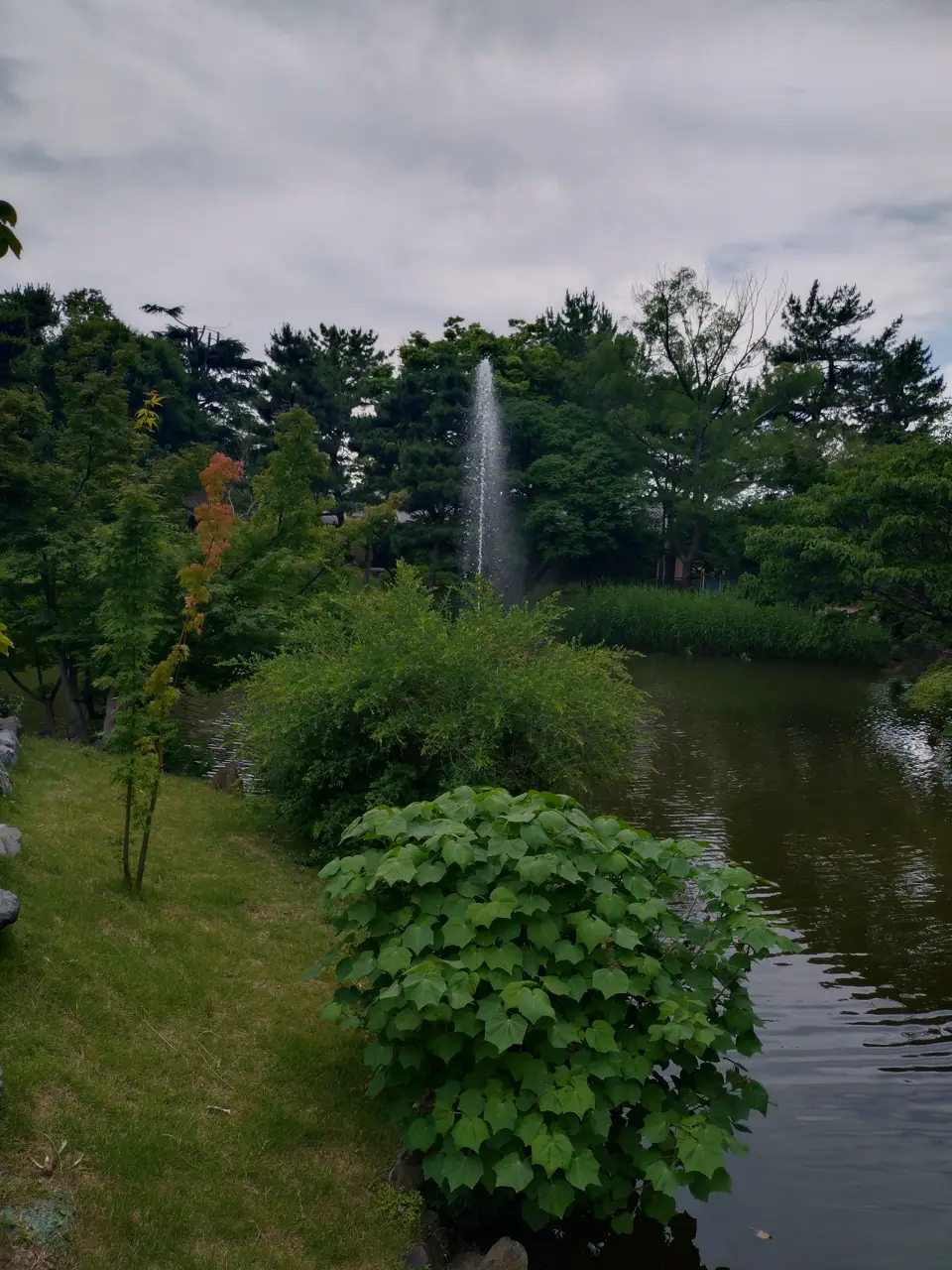
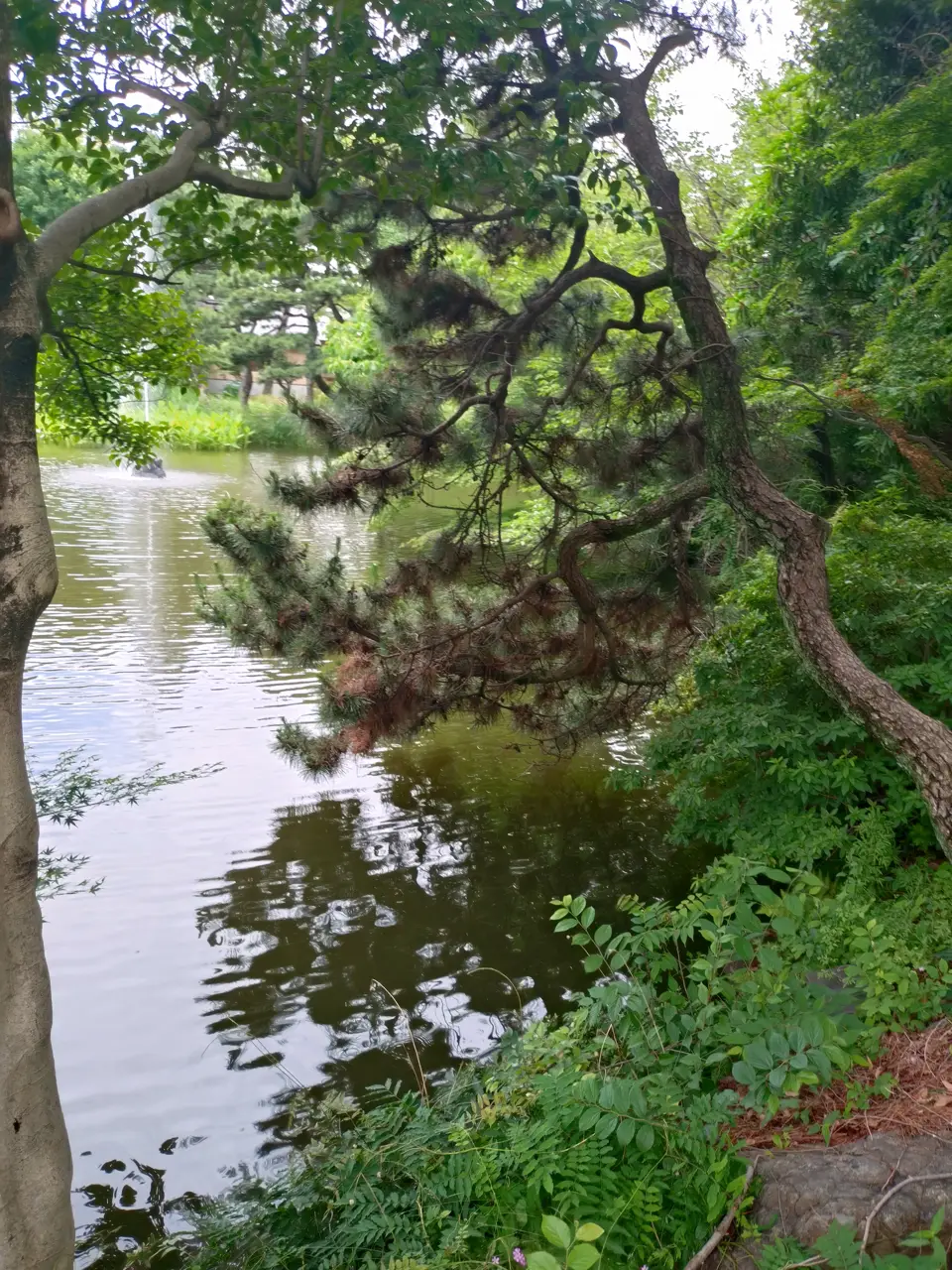
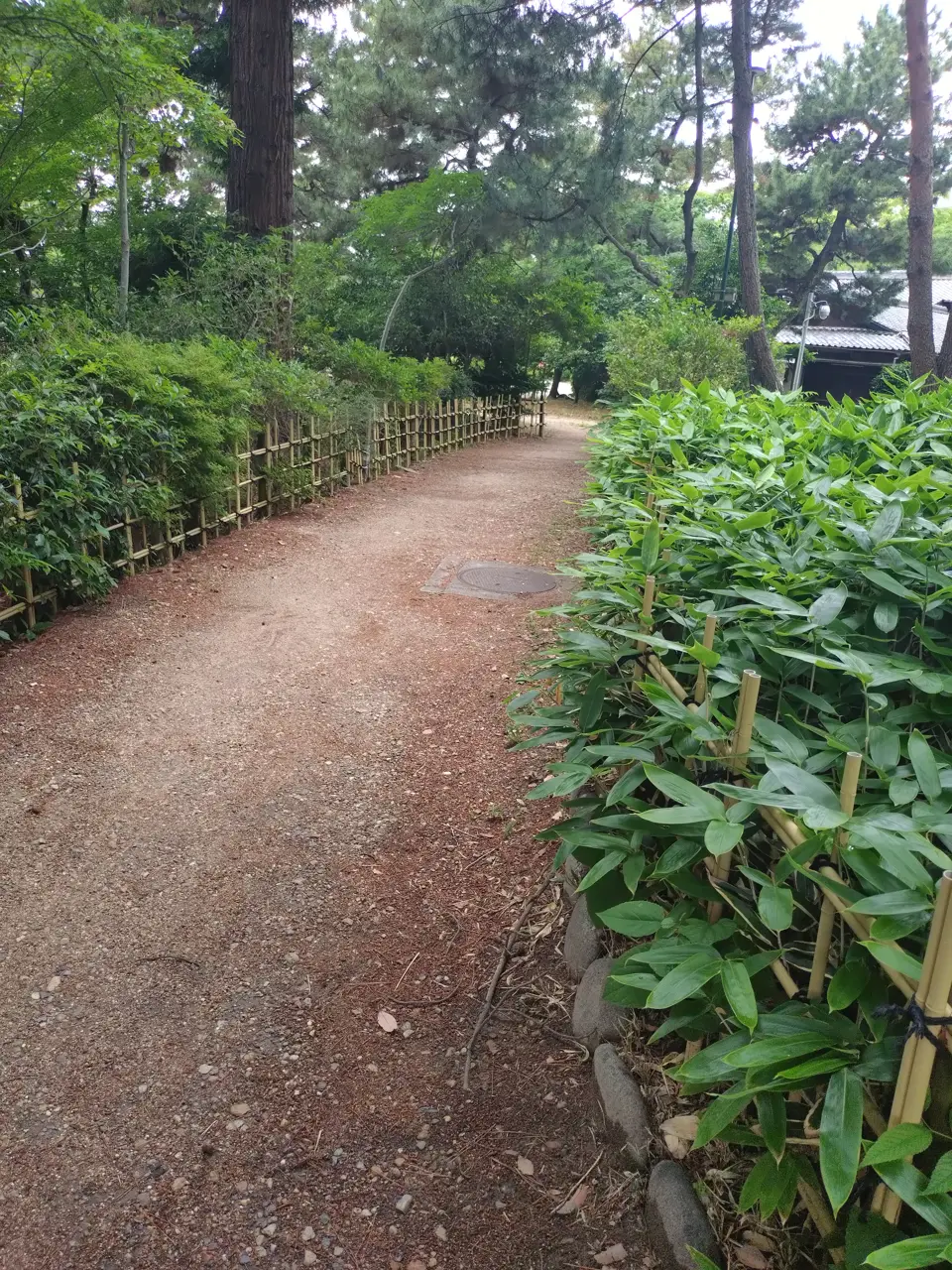
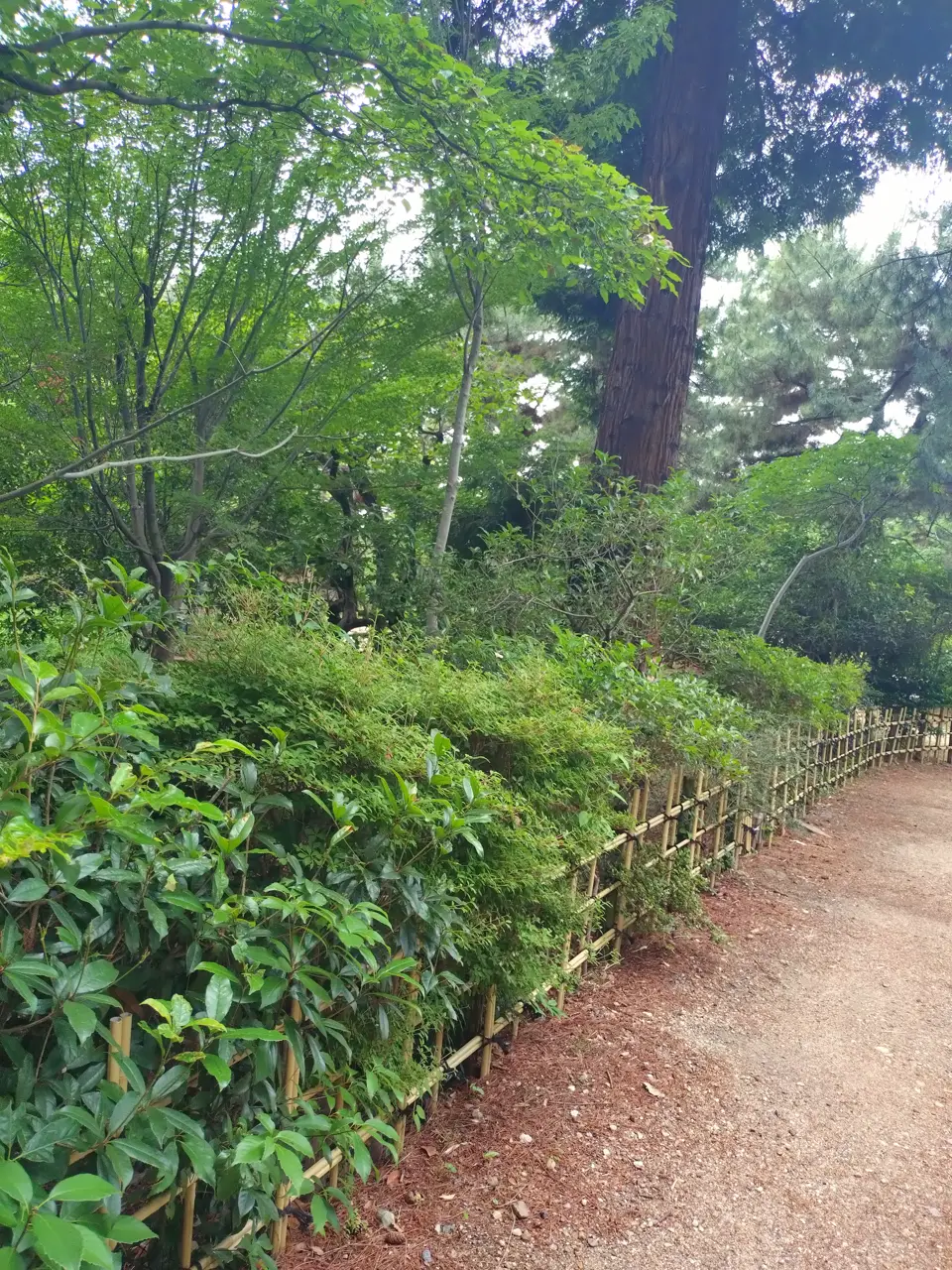
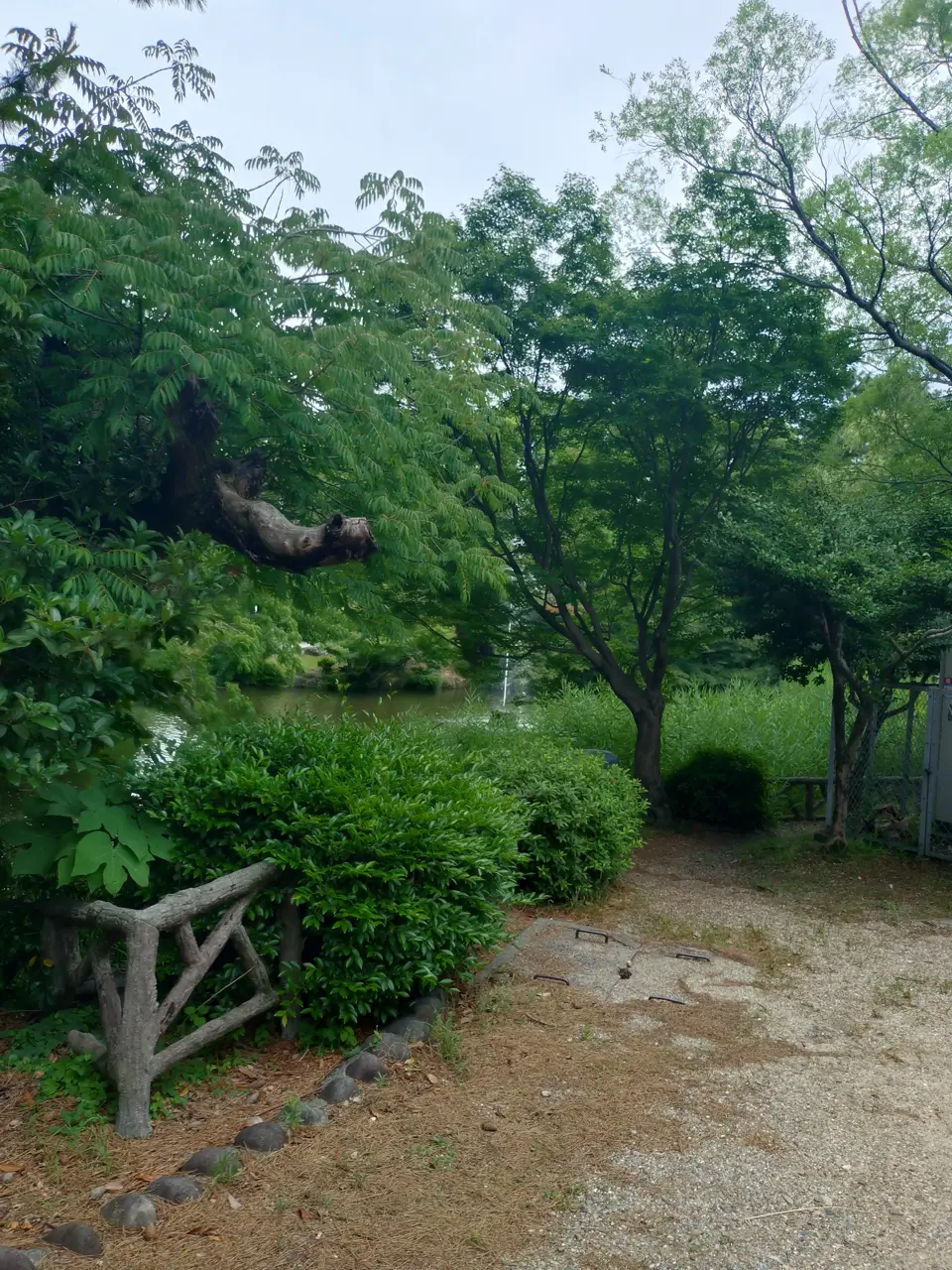
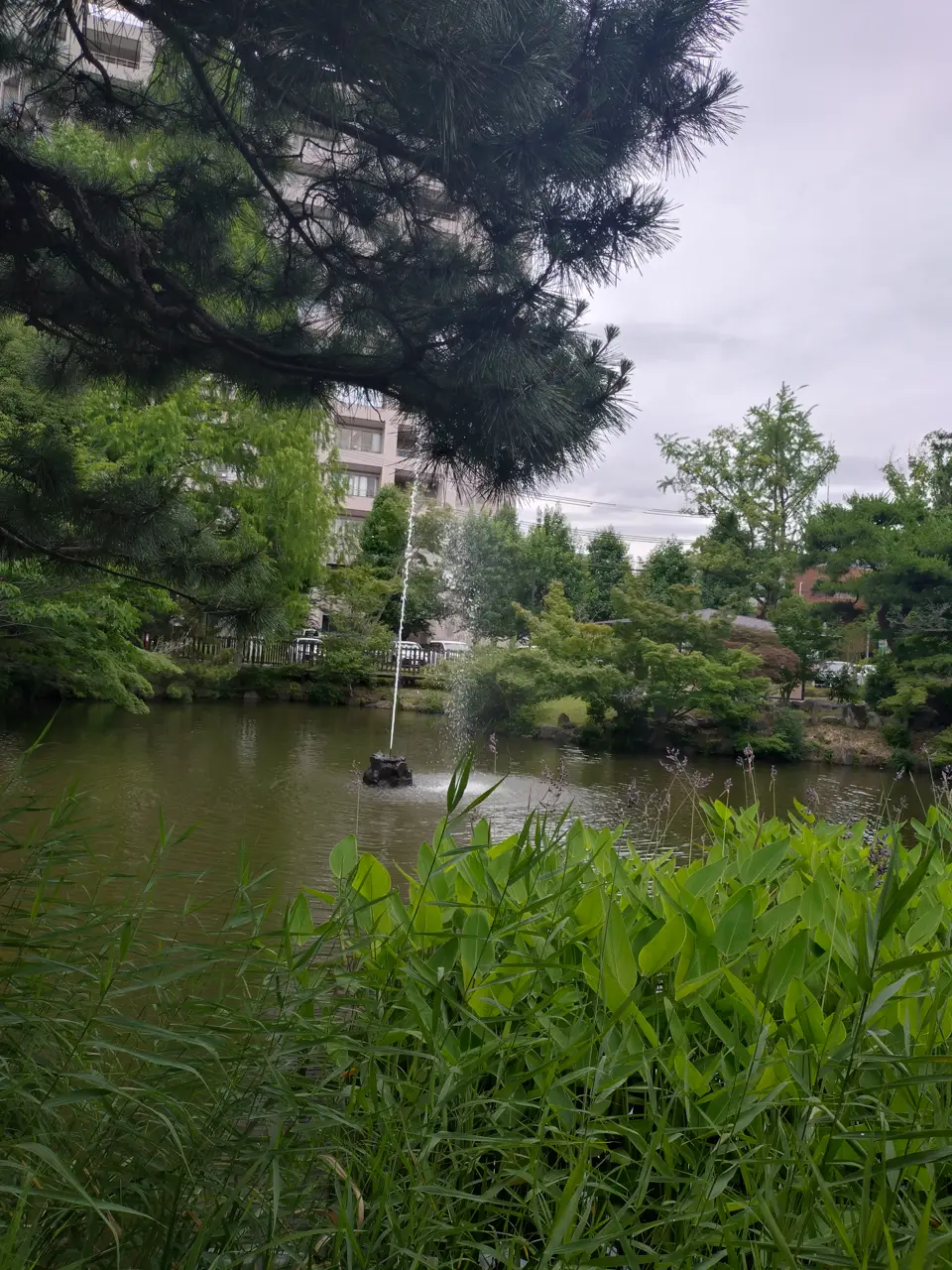
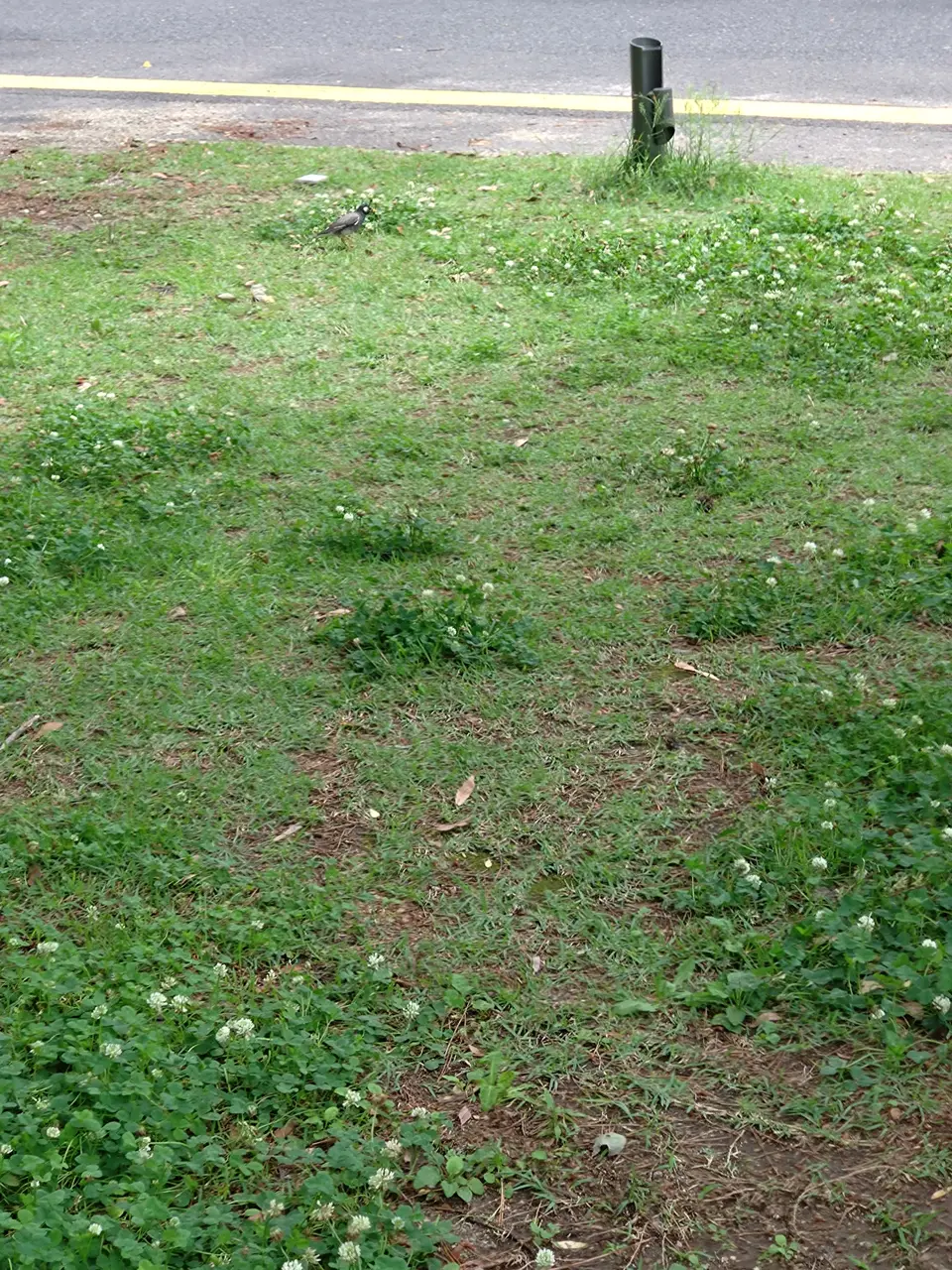
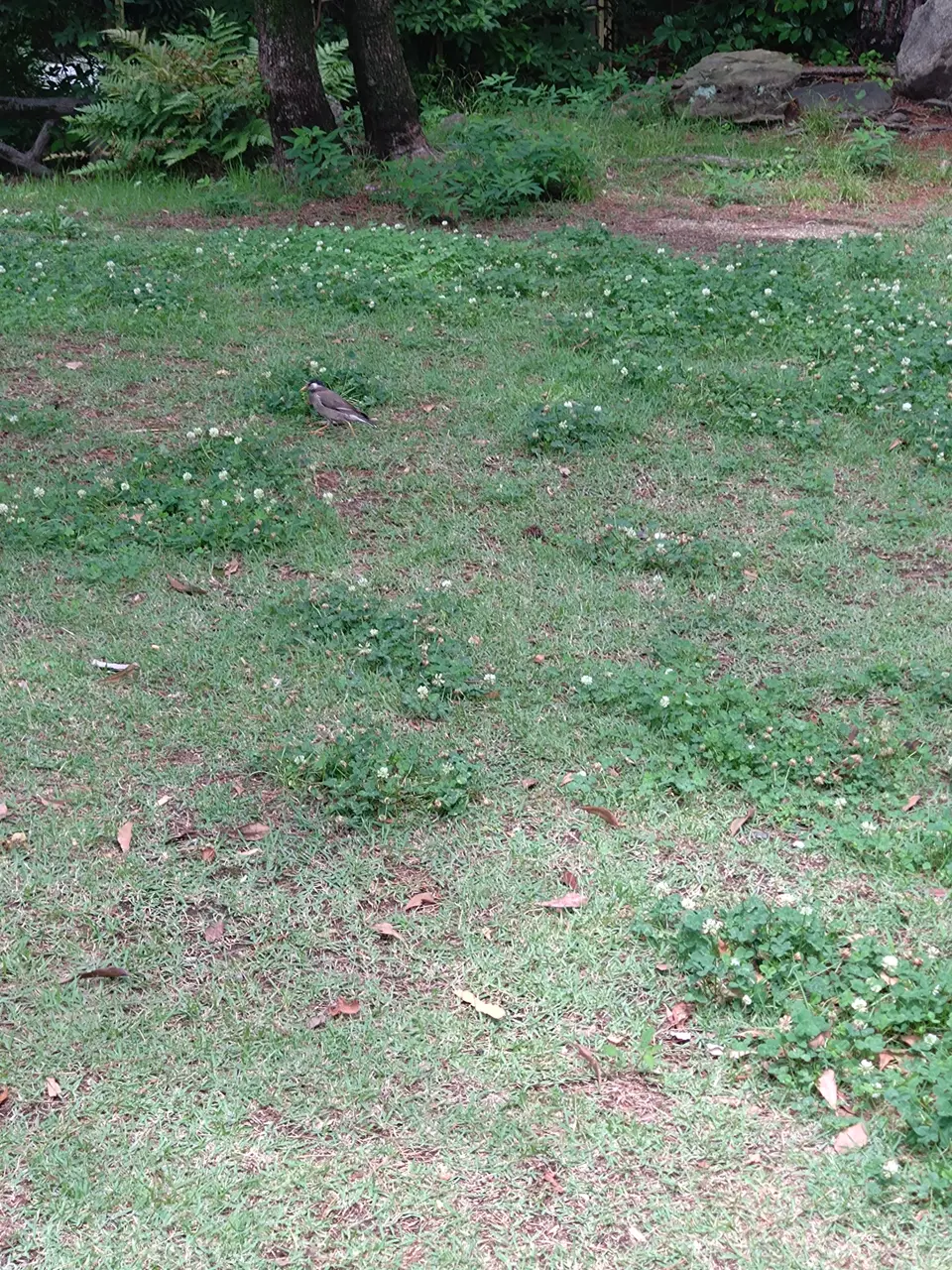
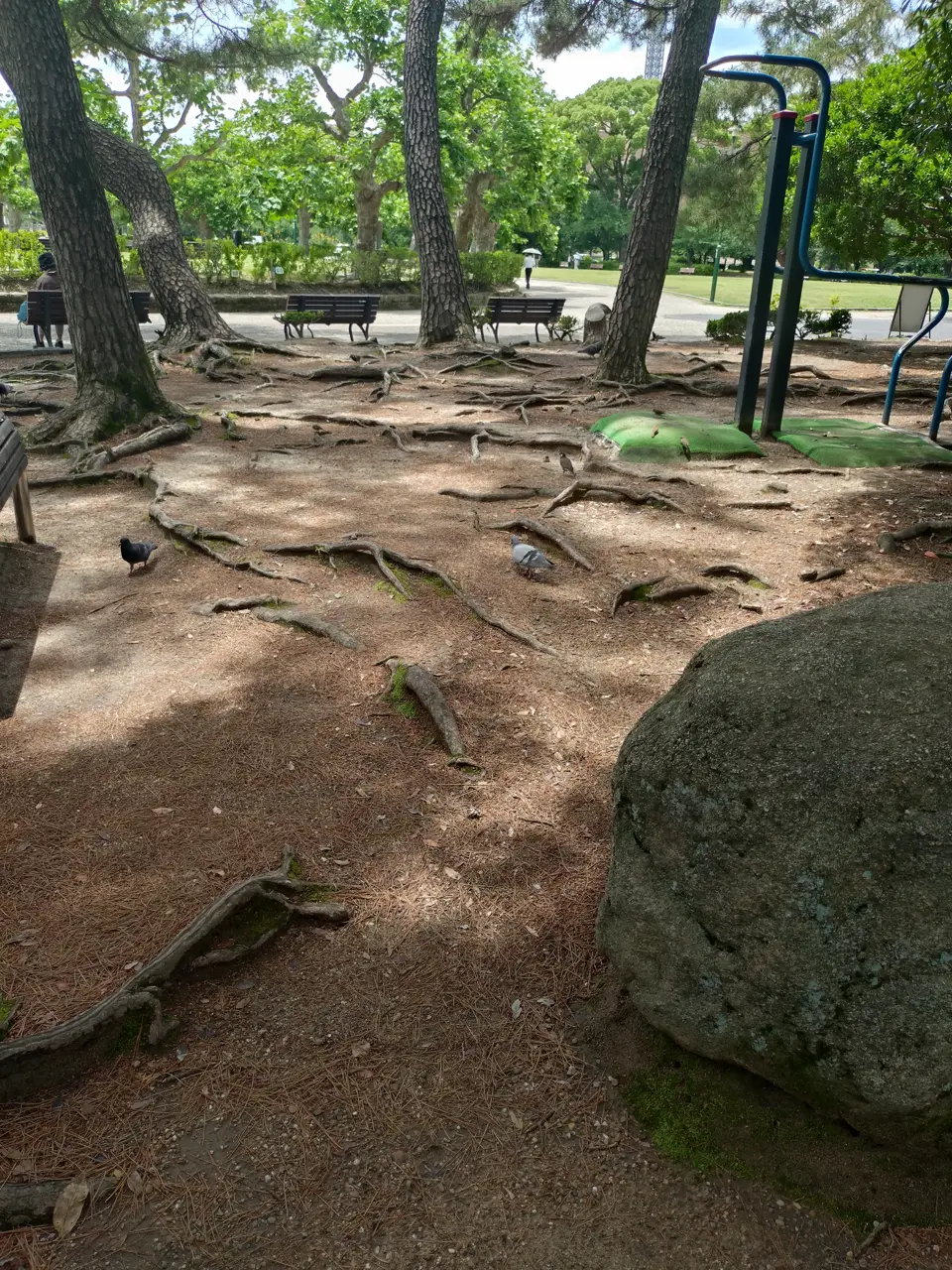
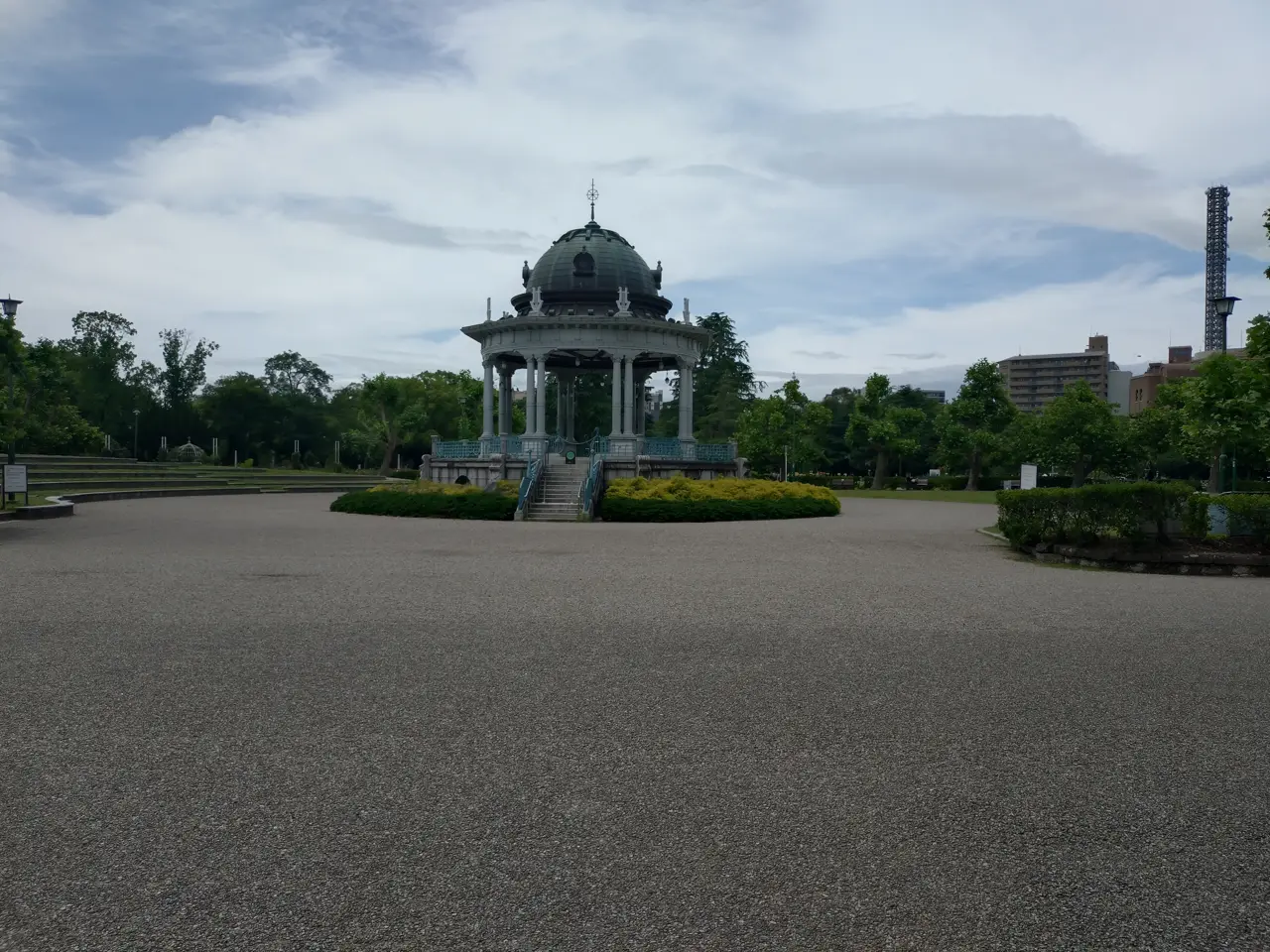
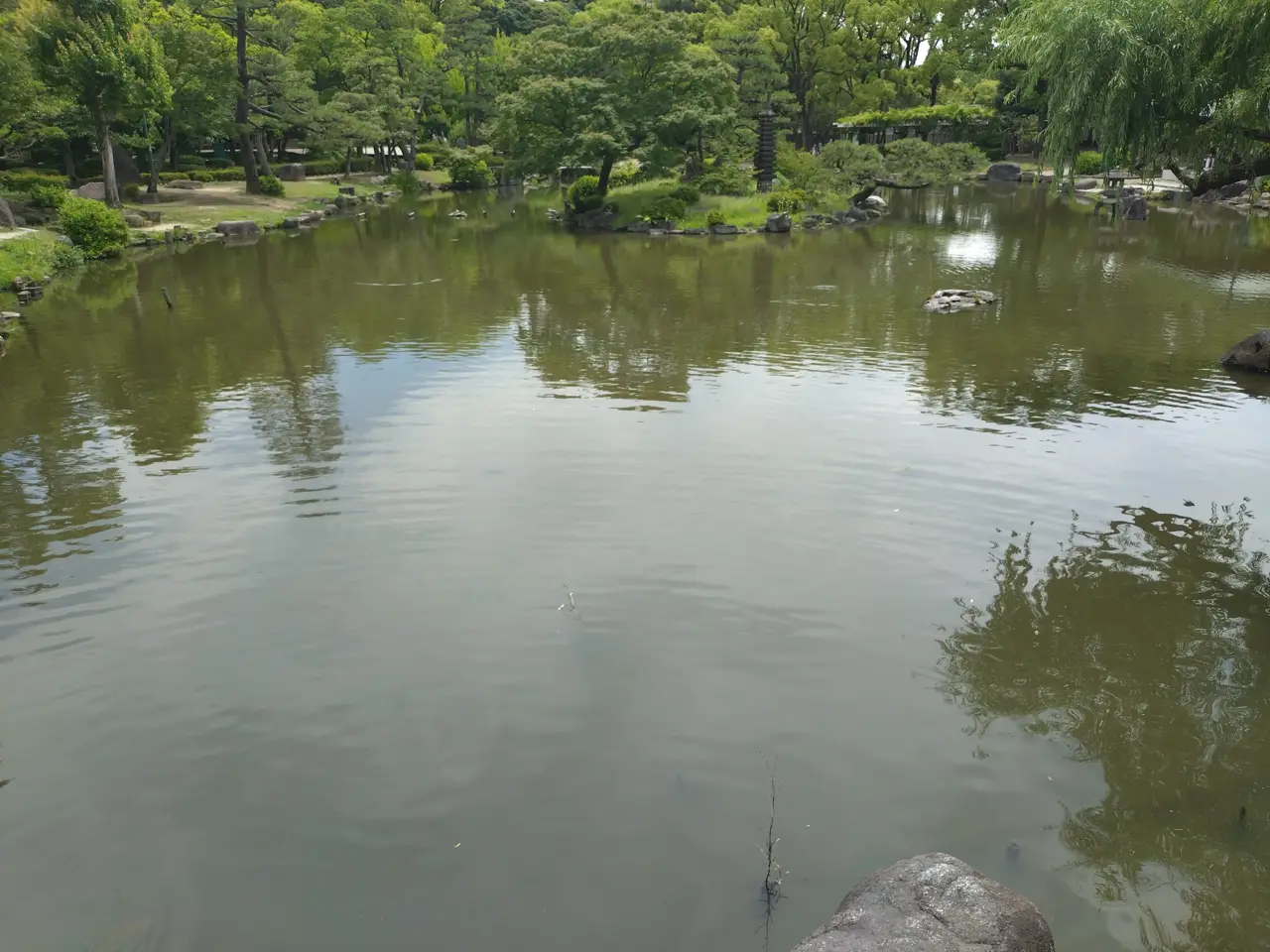
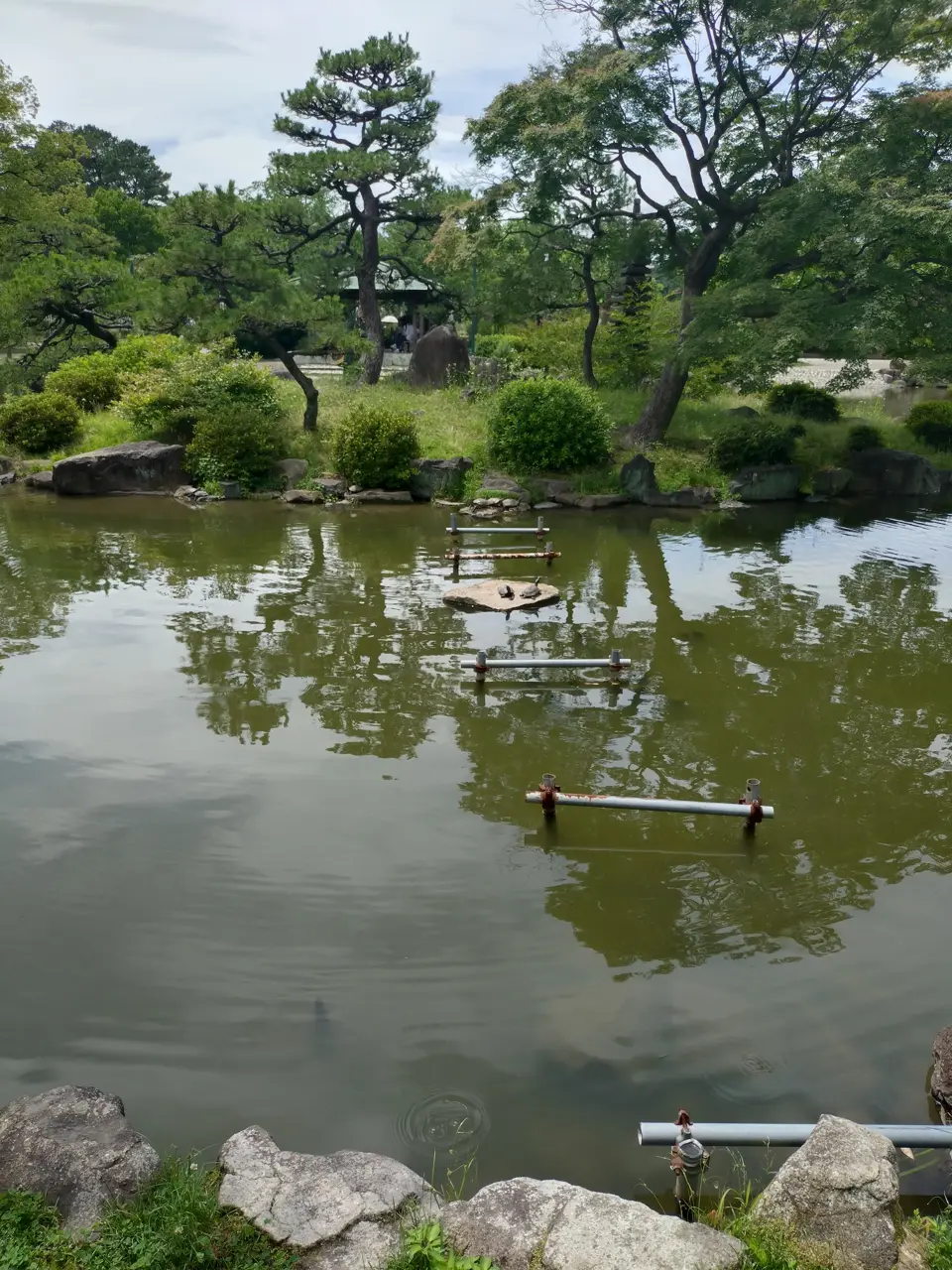
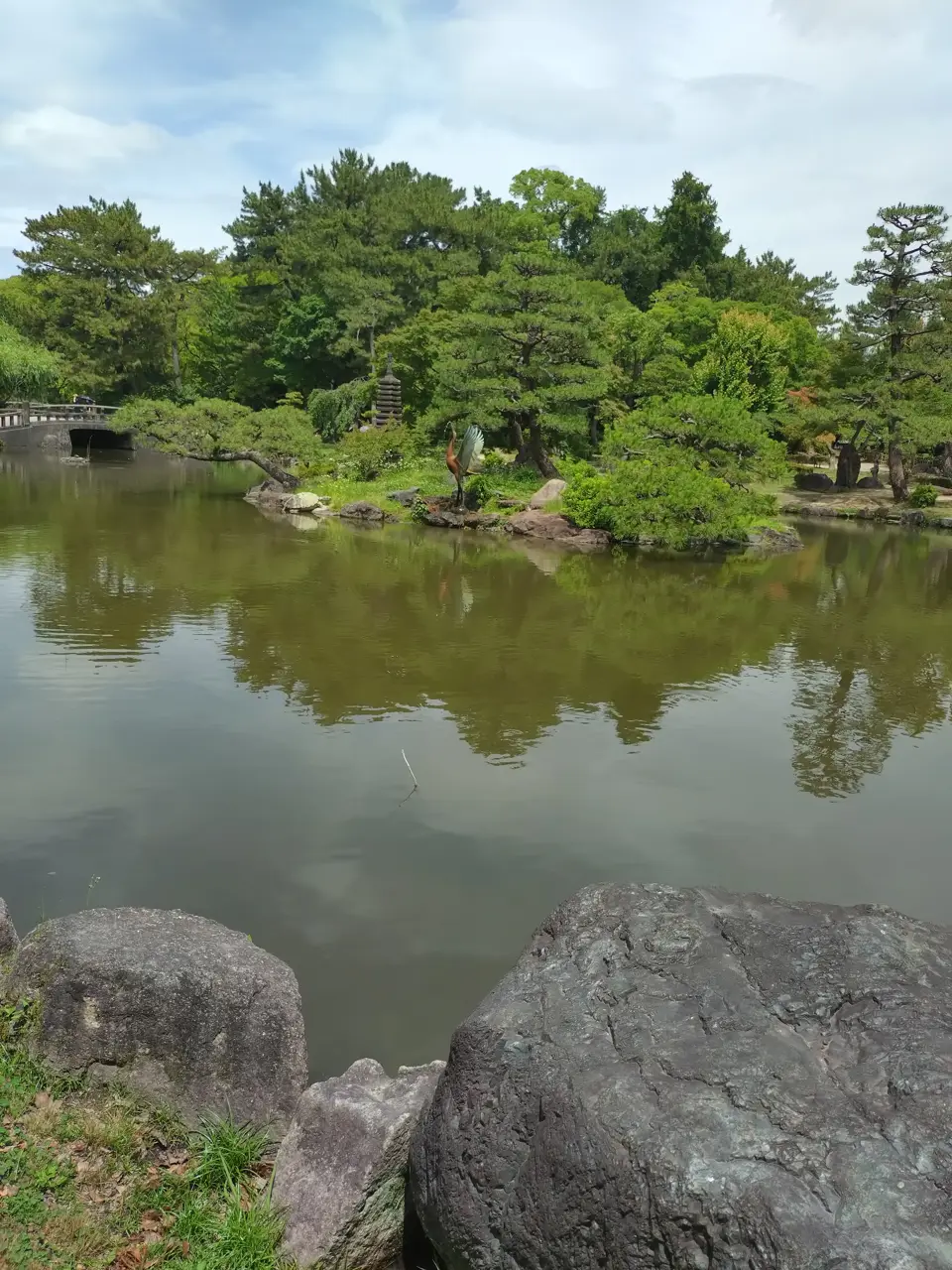
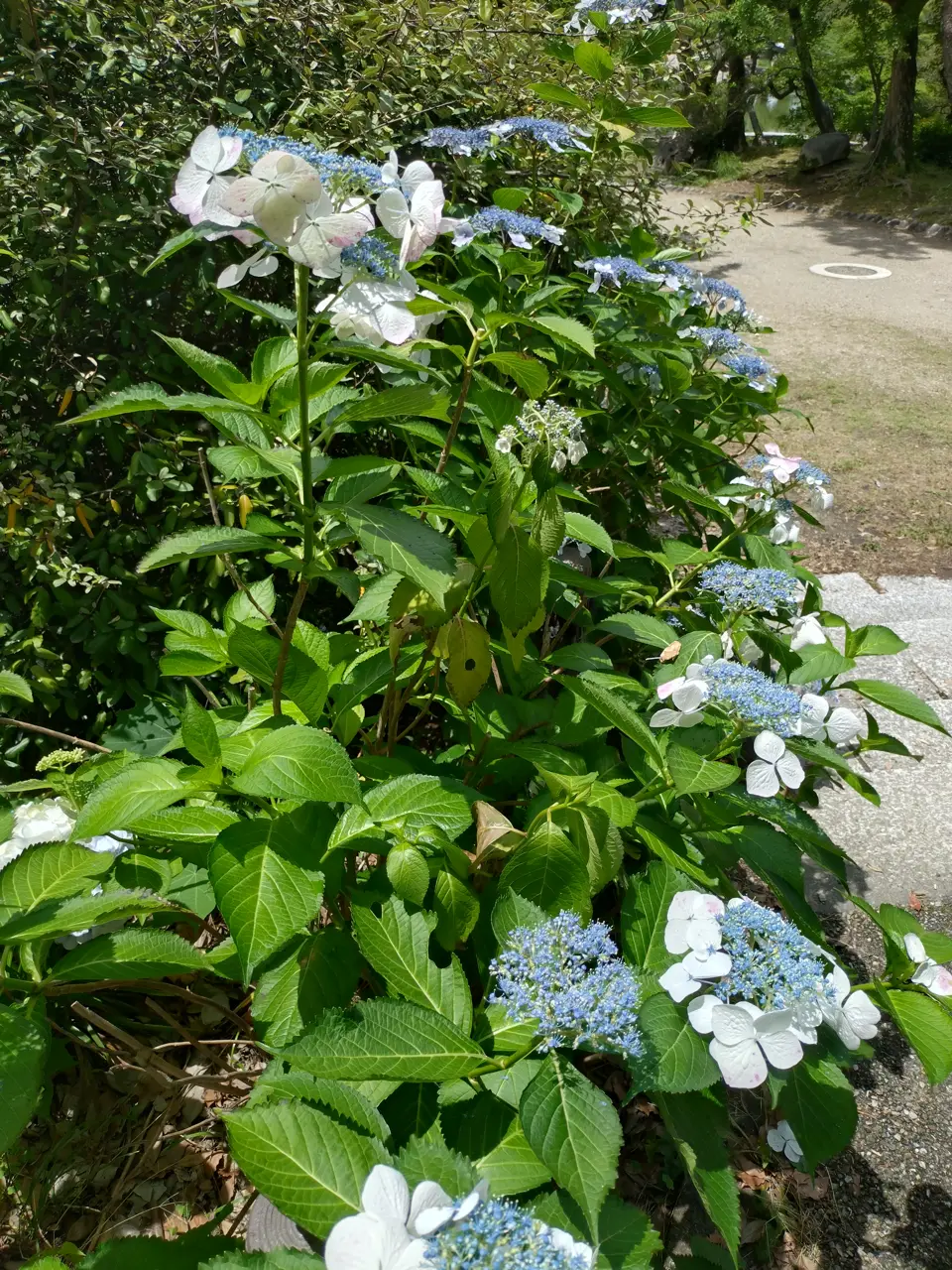
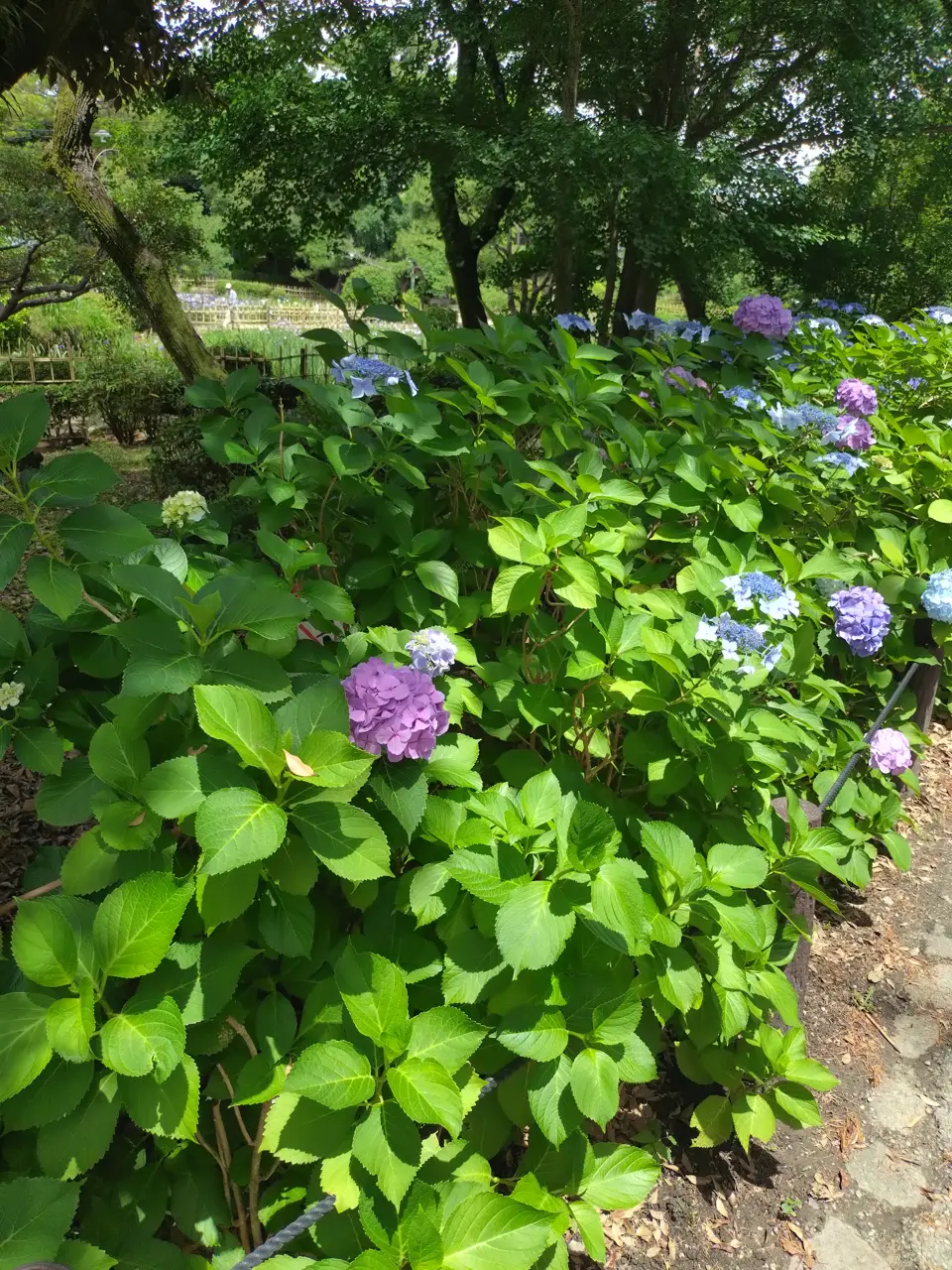
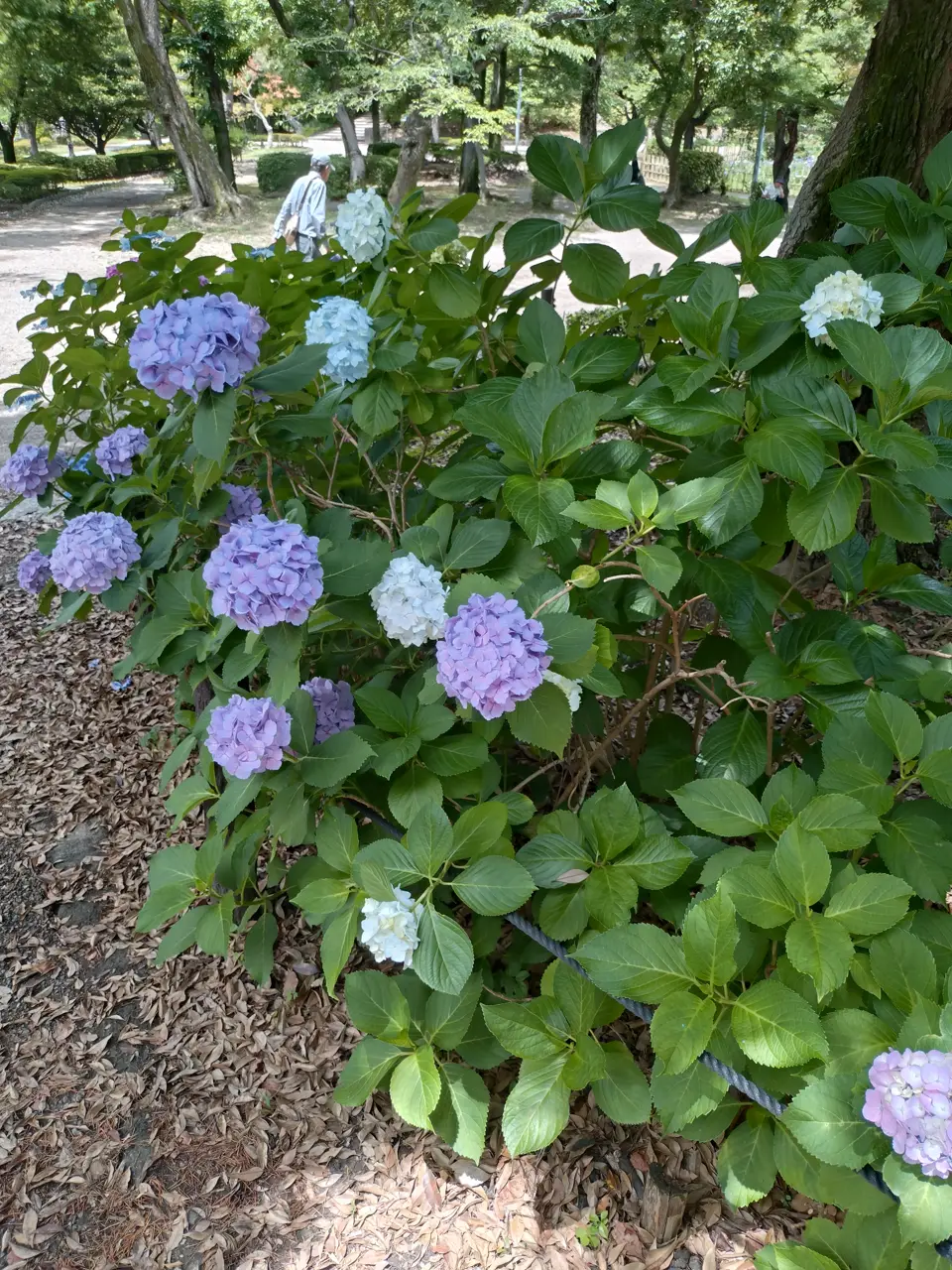
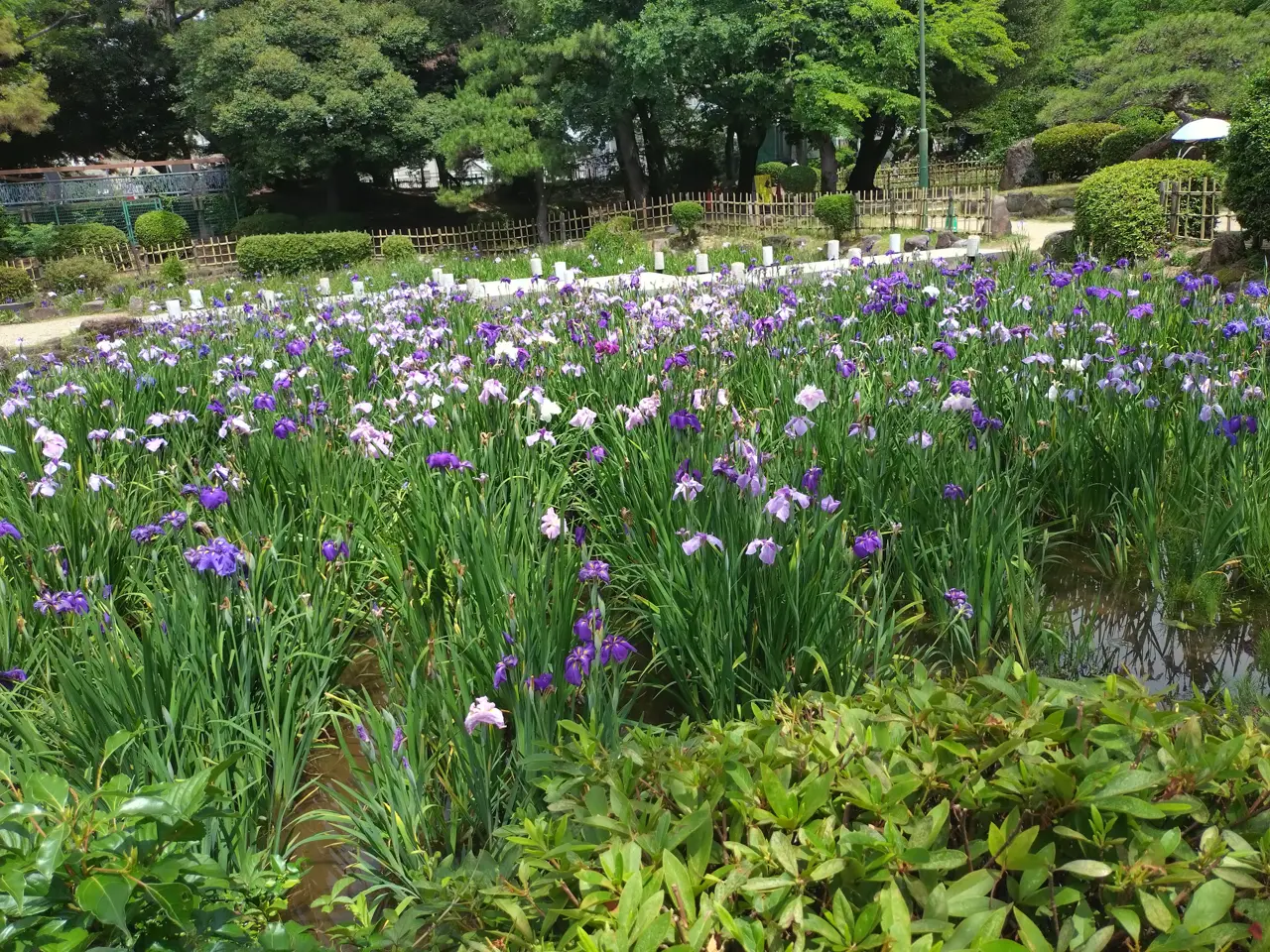
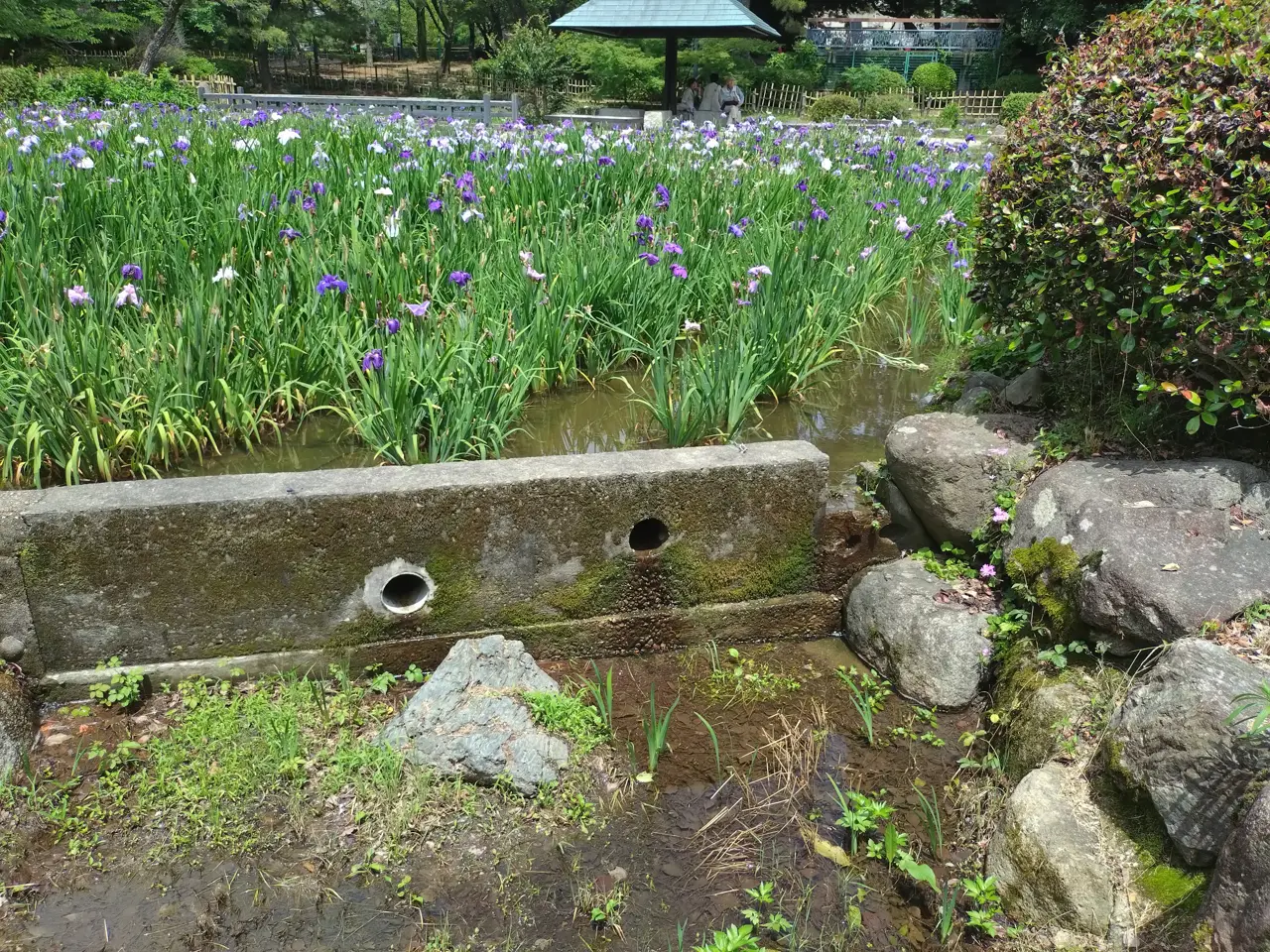
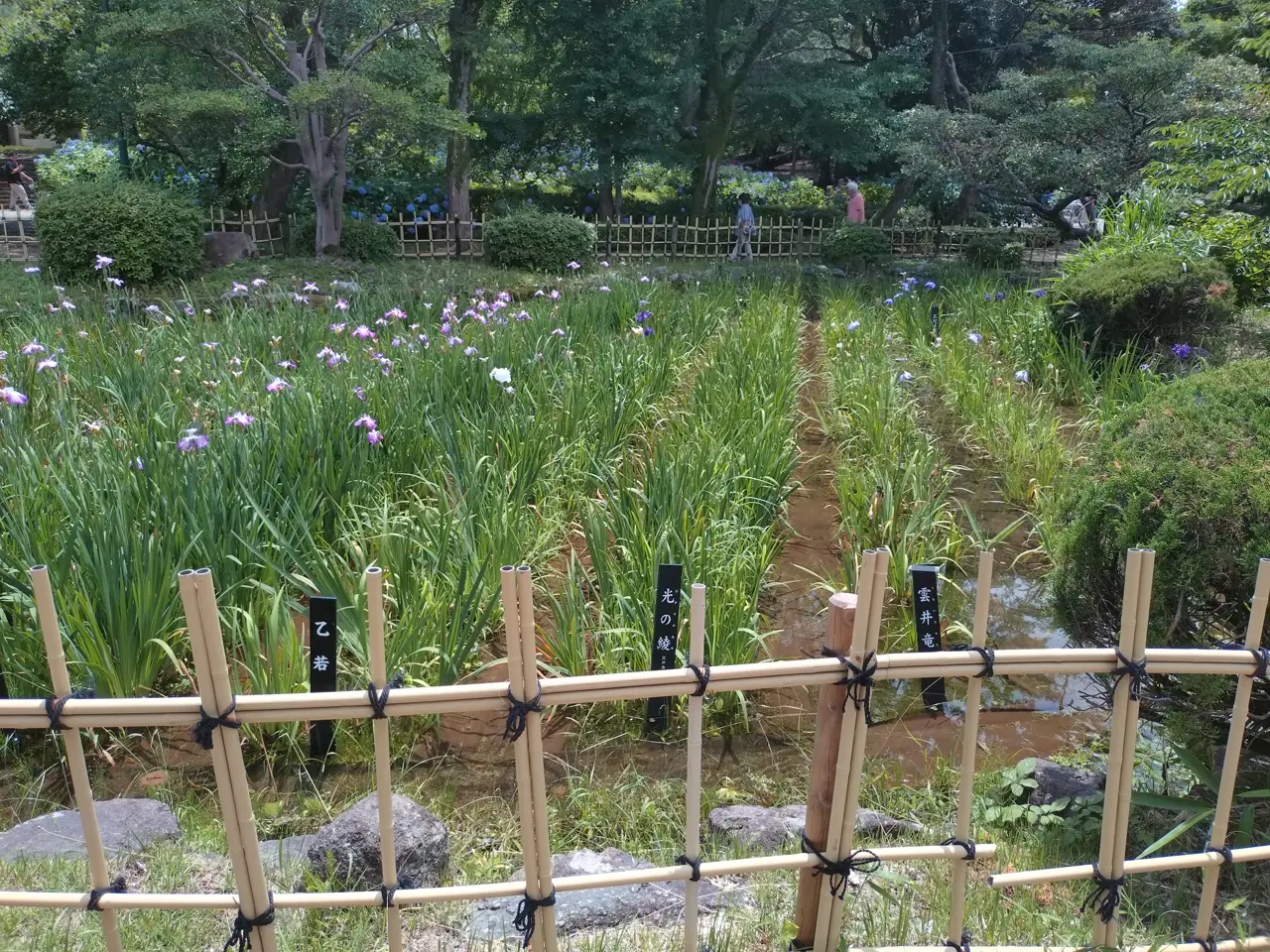
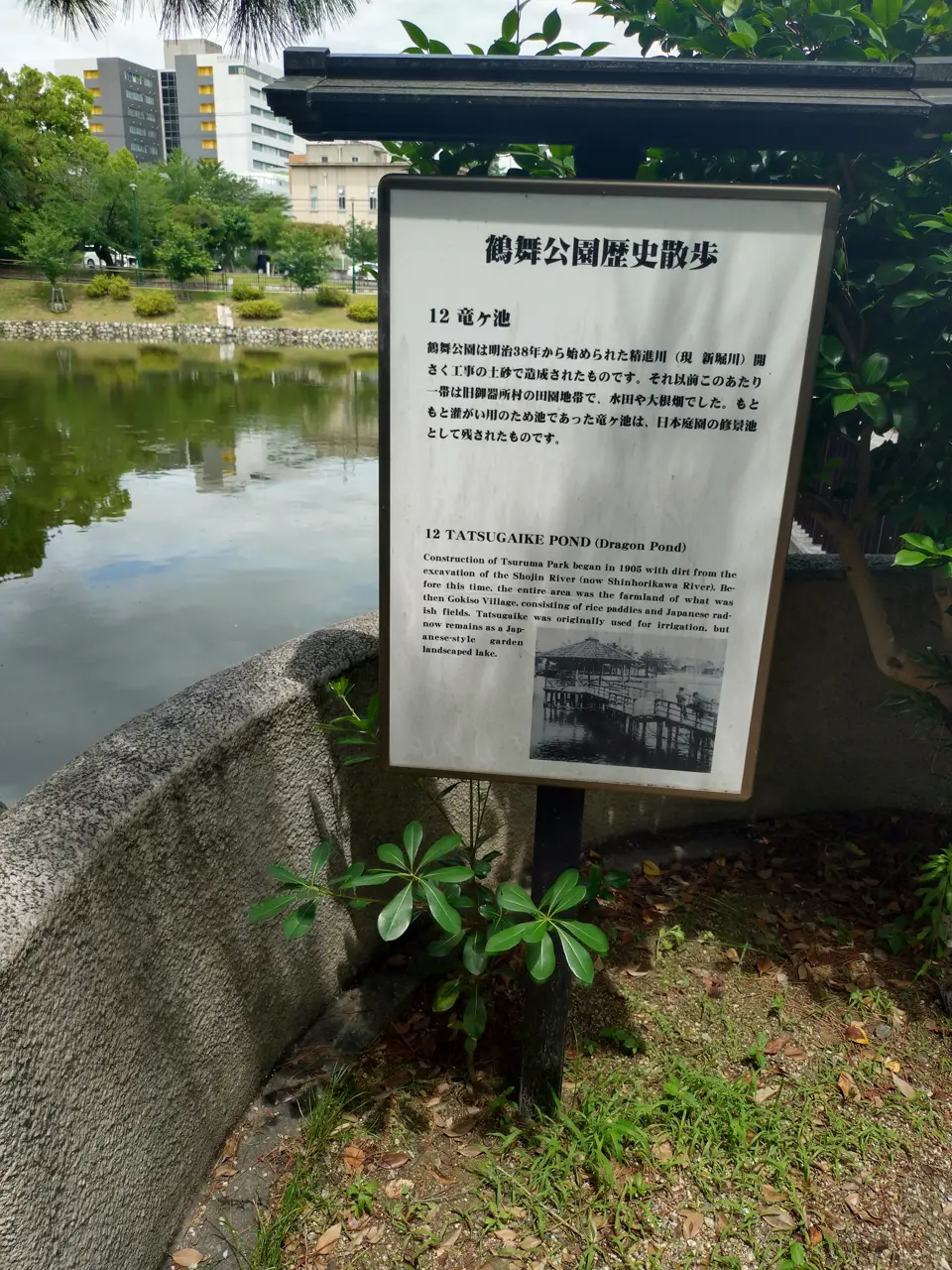
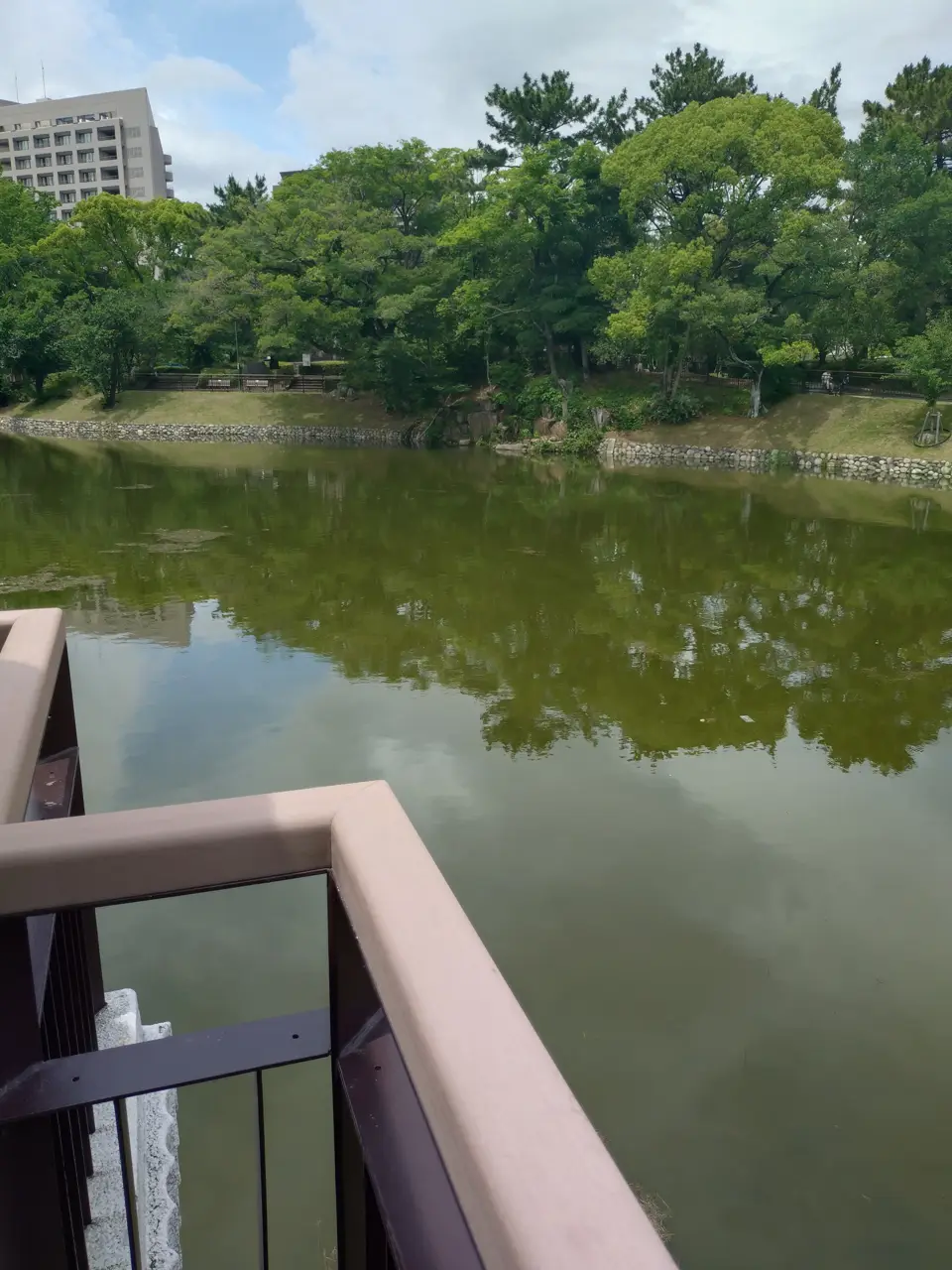
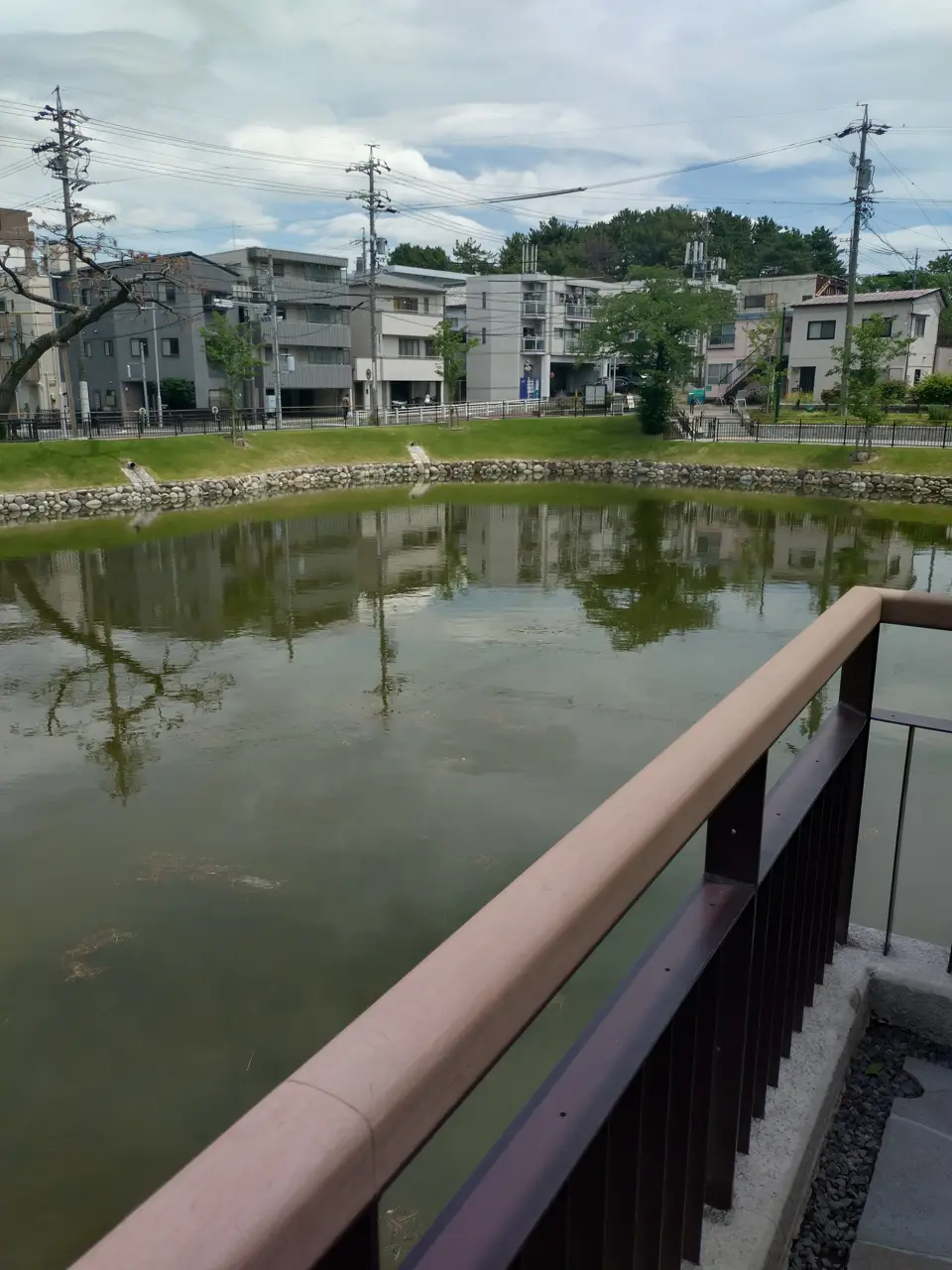
After that I headed for Tsuruma Park. A very beautiful place, full of protected nature and preserved antiquities. For the first time in my life I got to see a myna in the wild (a starling-like bird that can even talk). There are also countless carp and turtles swimming in these parks, along with masses of dahlias and irises.
It was strange to just sit quietly in the park, minding my own business. Suddenly I struck up a conversation with an elderly man (he asked where I was from, in Japanese, of course). It was interesting: Hungary, as a place, rang a bell for him. After some chatting, I left the scene.
Back at the international office
Soon it was 14:45. I’d wandered the university and its surroundings a bit more, and by then the time had flown. I quickly got onto the same wavelength with the two international-office assistants, Misaki and Mitsuko. They said they were glad I speak at least some Japanese — obviously no one expects me to speak it perfectly. The fact that I understand hiragana and katakana is already an advantage; naturally they encouraged me to keep learning, even to take the university’s introductory courses. They noted that, sadly, it’s not at all common for foreign guests to speak Japanese. We chatted a little about Hungary, but I said this weather isn’t all that unusual for me: 30 °C with high humidity is perfectly normal back in the Szigetköz too.
Then we headed for the international students’ dormitory. An elderly man took the lead: a bit strict, but nothing I’m not already used to from Hungary. What Hungary brought to his mind was beautiful women. But then, out of a clear sky, came a small calamity: there was no elevator in the building. So I had to haul all my luggage up the stairs. When I got up, the man laughed at me, of course, and let slip a “daijōbu desu ka?” What else could I do — I laughed too. After an efficient inspection procedure — peppered with a little Japanese lesson, the man diligently teaching me Japanese words, drilling the terms for “microwave,” “toilet,” and “switch on/off” — once we were done, I headed straight back, off to Professor Shohei Kato’s lab.
Science
It can probably be said that the main point of my being here is to do research and to gain experience in that direction. It must be added that both sides are fairly inexperienced at this. Shohei Kato works mostly with Japanese students, which is understandable. It became clear right away that you have to work quite a lot here; not everyone could keep up this pace. But fundamentally Shohei’s manner is kind and relaxed — he doesn’t give the impression of a very strict, unpleasant figure.
We started talking about what to work on. Naturally, no one had an idea at first. But in the end we talked about genetic algorithms, neural networks, and emotional-intelligence research. As a first step we settled on me preparing seminar material for next week, since he has to travel to a conference by the weekend. I offered to send it to him, but he said I should rather just prepare properly for the talk. You really could work this way — not everything has to be done now, yesterday.
The lab’s equipment
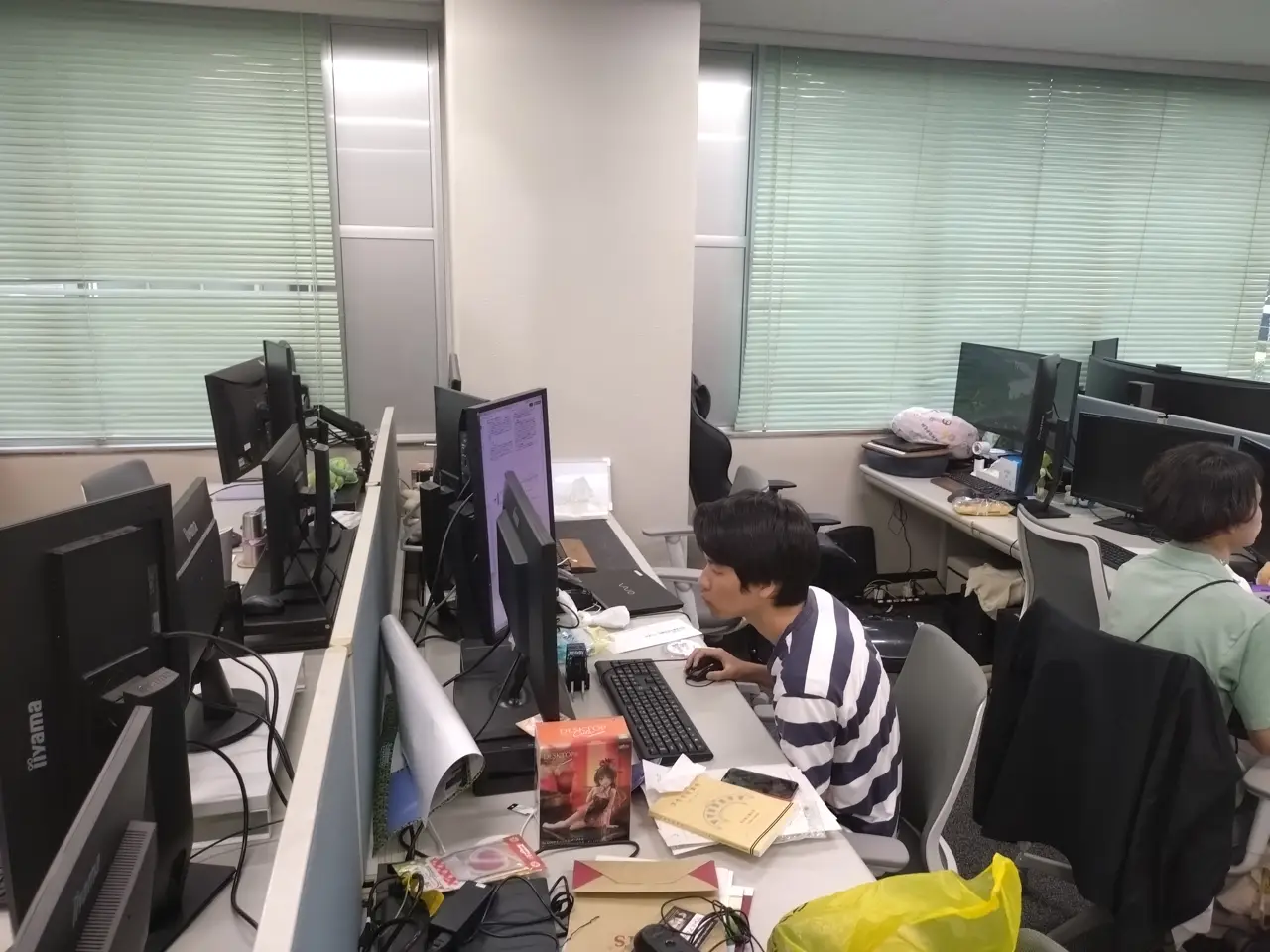
What floored me was the way they’re equipped. I also talked about my own research: agricultural behaviour monitoring, robotics, hypergraphs. And I mentioned that I work with three students. Even mid-conversation, I sensed him smile a little, somewhat reluctantly, at how much more mature their situation is.
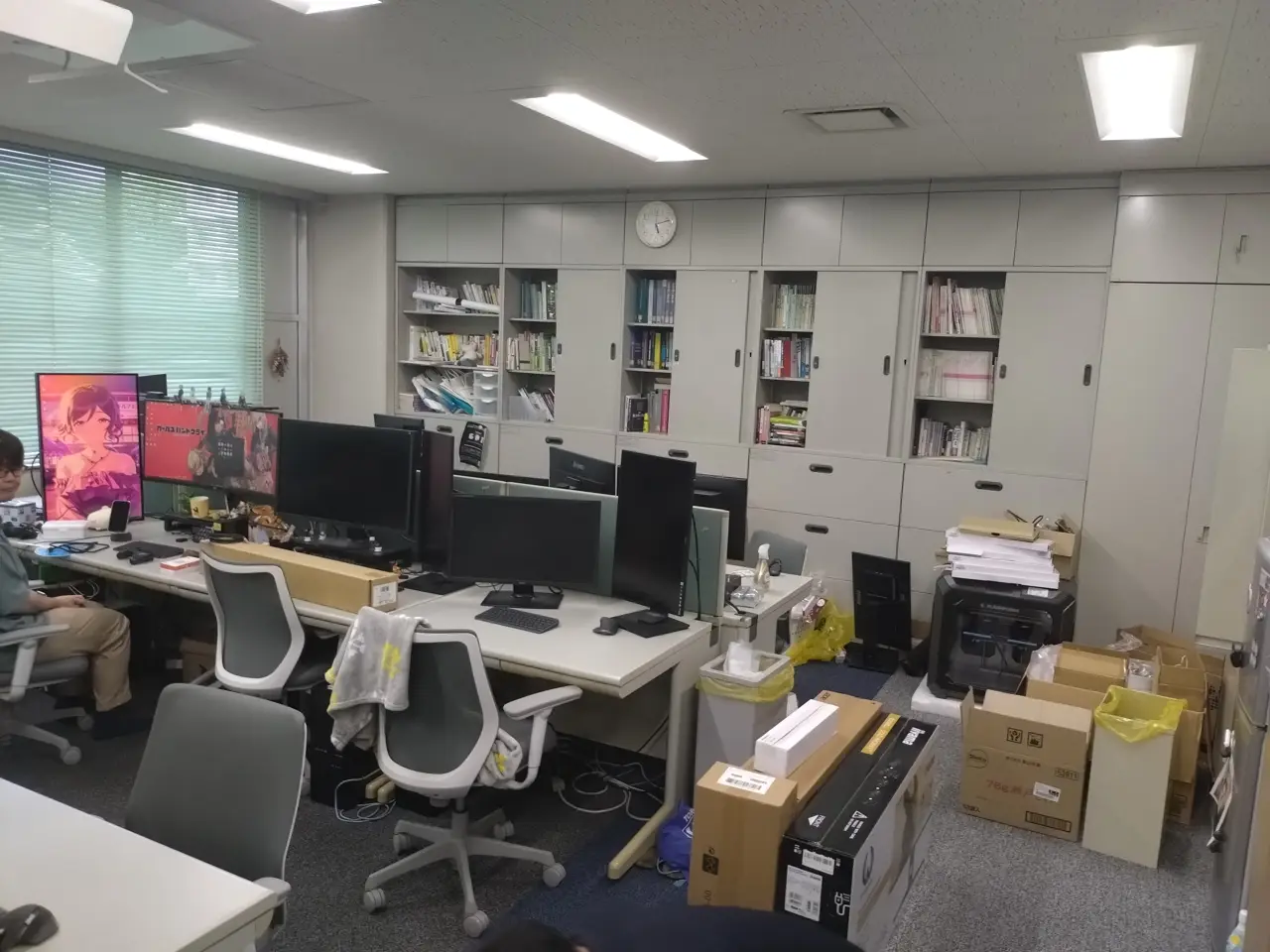
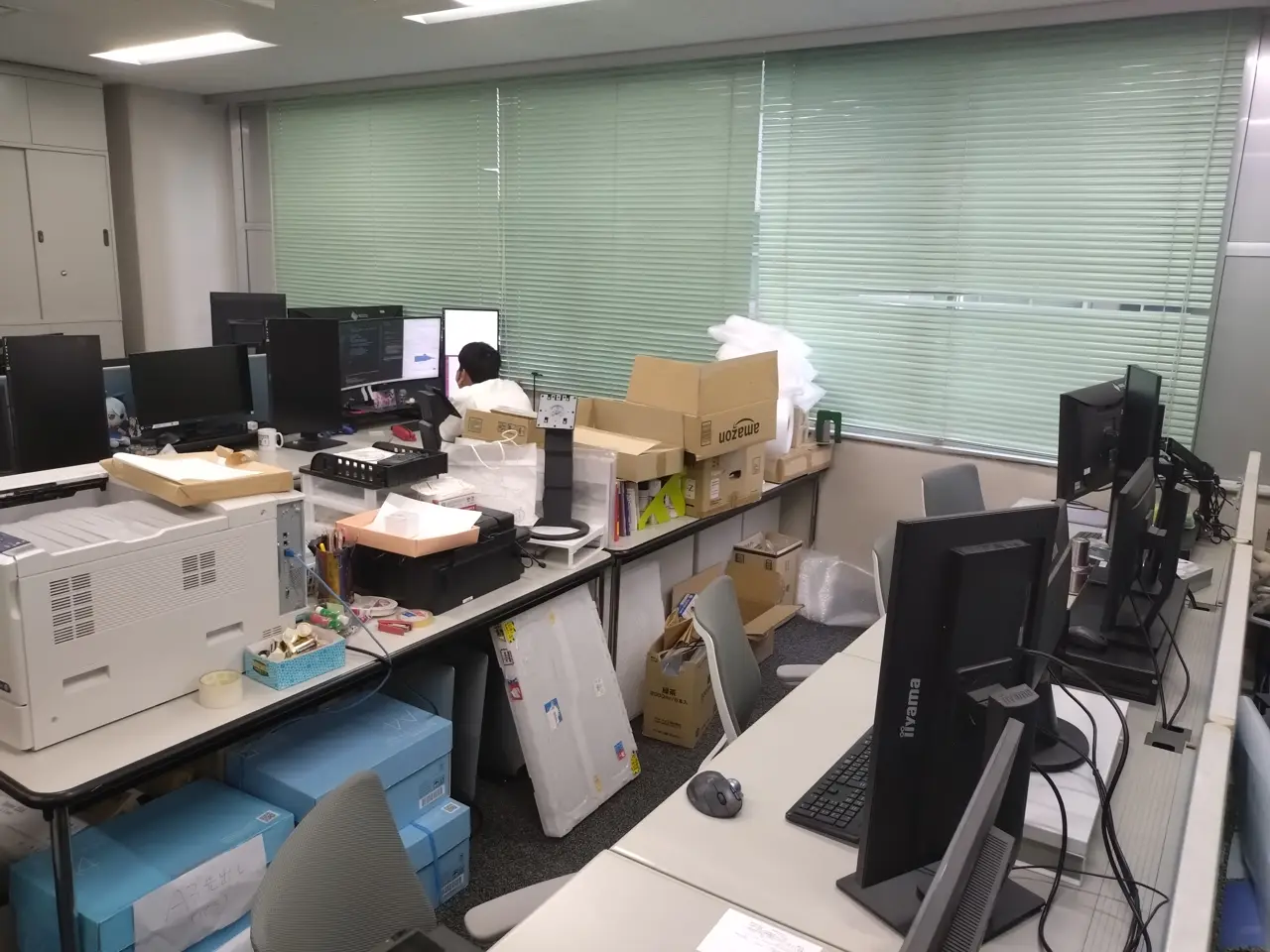
For one, his lab alone has 20 GPUs networked together — from the top tier, if I understood right. For the uninitiated, this means they can train networks without trouble, even larger ones (e.g. a vision transformer). And the 25 students don’t work on their own machines either.
The students put up their own wallpapers, bring their own stuff, there are beanbags — overall they work in perfectly normal, creative conditions. I really like Shohei Kato’s style: he involves the students and listens to their ideas, but also gives them industrial tasks to work on.
Robots in the lab
And then, robots: they bought robots to work on, a Moflin and an Aibo. Undeniably cute things. The Moflin is a robot that only has fur and pressure sensors. There’s nothing else on it; it reacts to that and makes rather adorable sounds. Undeniably hard to put down. The other is the Aibo: it imitates a real dog’s behaviour very well, and it was fascinating. When I scratched its neck, it liked it and started paying attention to me, while keeping that cute expression. When I wasn’t watching it, it immediately demanded attention. I have to admit this part brought me to tears. I have a dachshund of my own, and though he’s 14, I raised him, and I remember these moments.
Of course I got very enthusiastic. So it’s with good feeling that I’m starting on the seminar. In Professor Kato’s lab it quickly became clear that they don’t simply talk about “AI” or “robotics” here, but about systems that must somehow connect to human presence. Emotional intelligence therefore appeared not as a mere buzzword, but as a possible research direction: how can a system be not only recognising, but also more sensitive, more adaptive, more context-dependent?
Videos
Closing thoughts
I keep noticing that the Japanese love their stomachs. Nothing surprising in that — everyone loves good food. But I think Japan really is at the peak in this respect: how to make good, light, nutritious food without putting on weight. A total contrast to Germany, for instance (in France, curiously, you can again eat food that is rich yet still light).
Photos