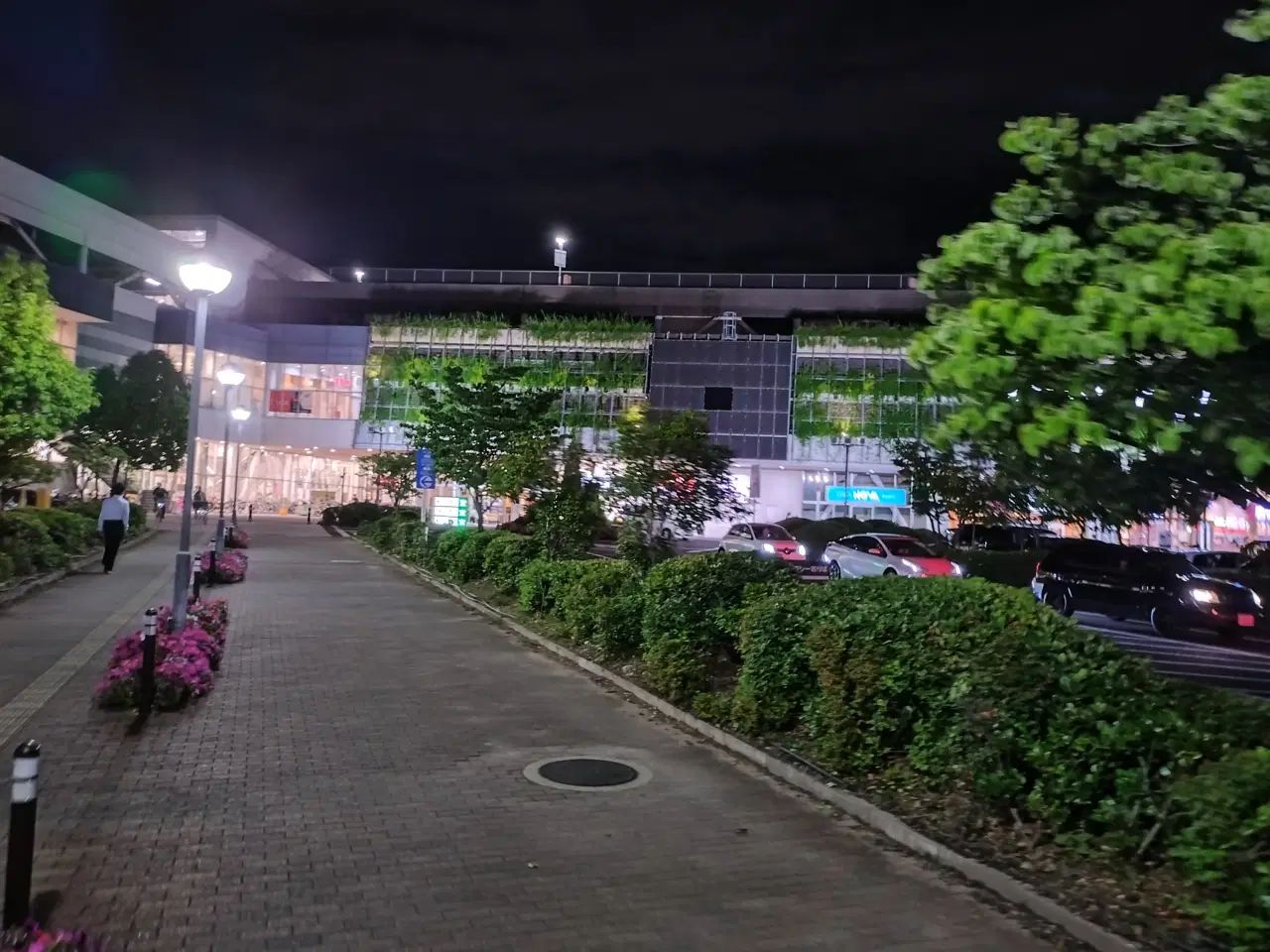
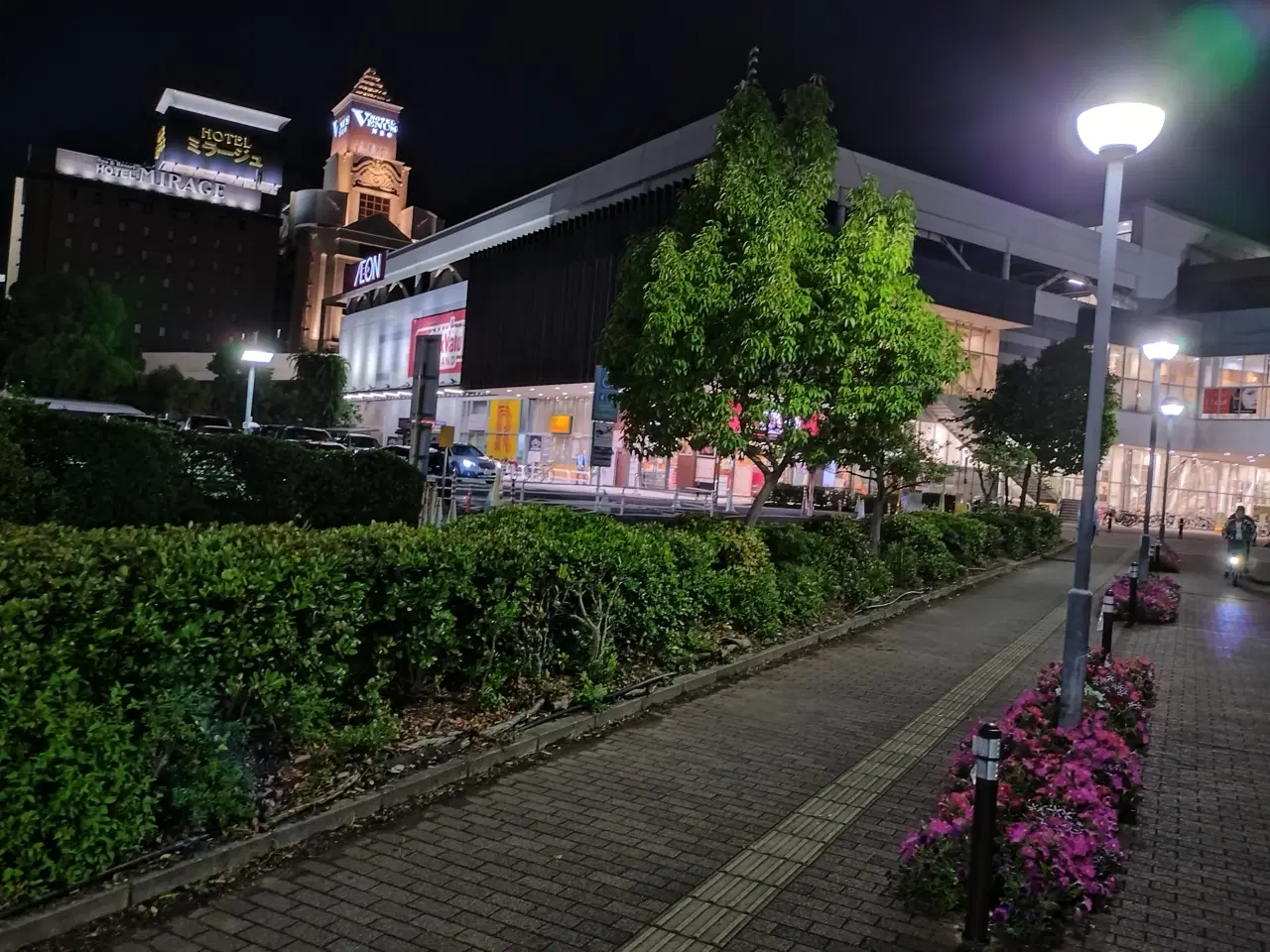
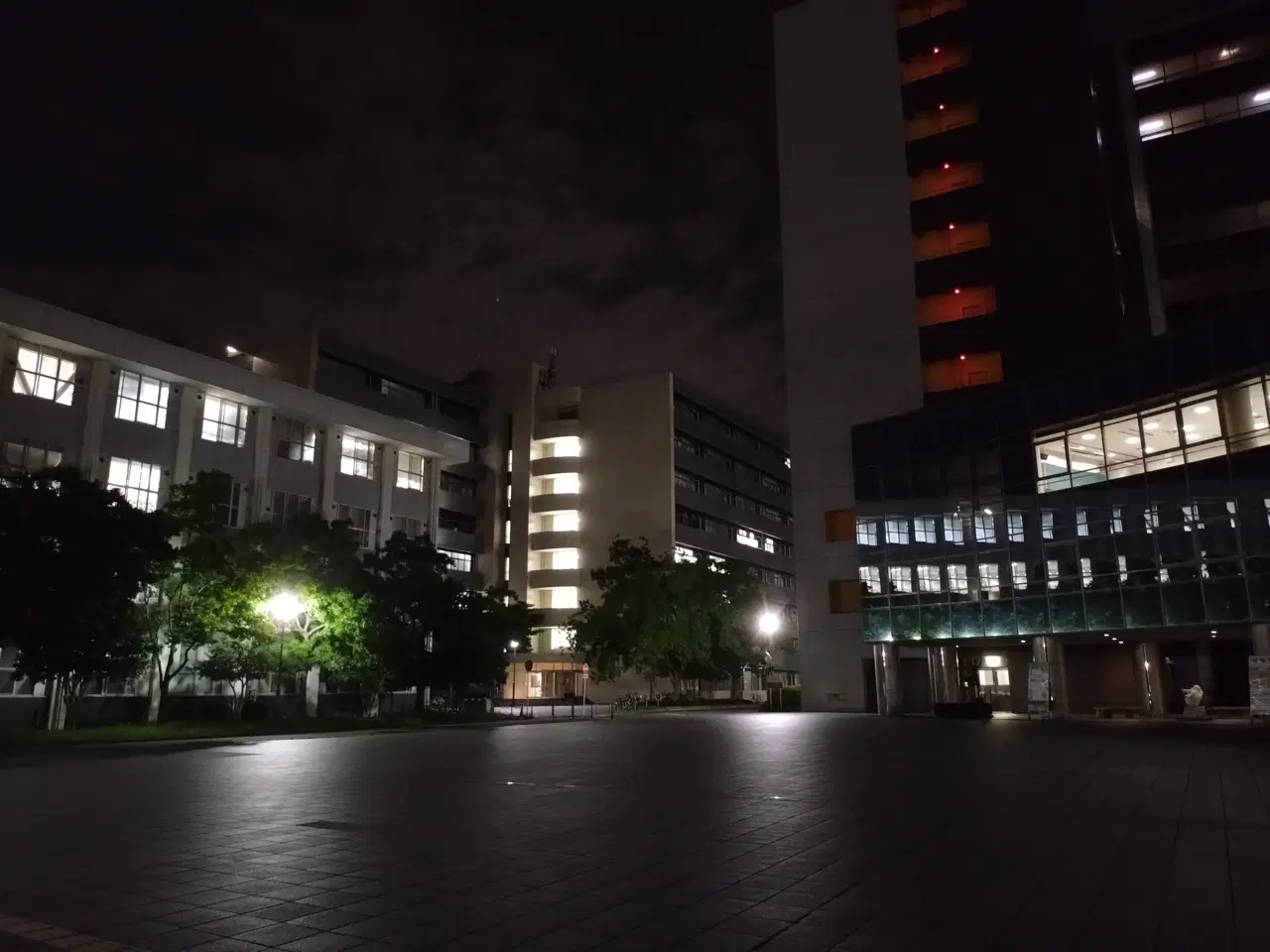
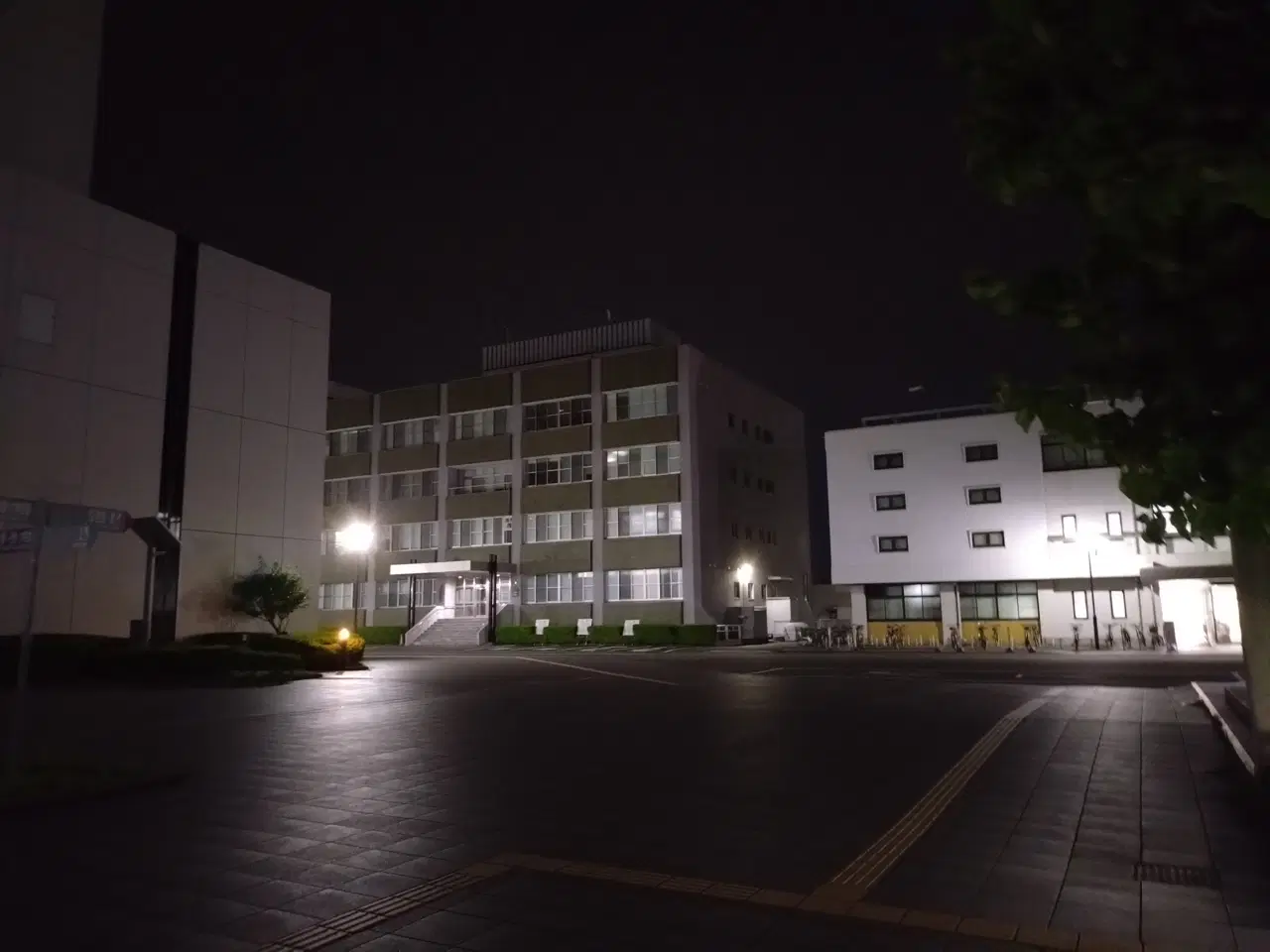
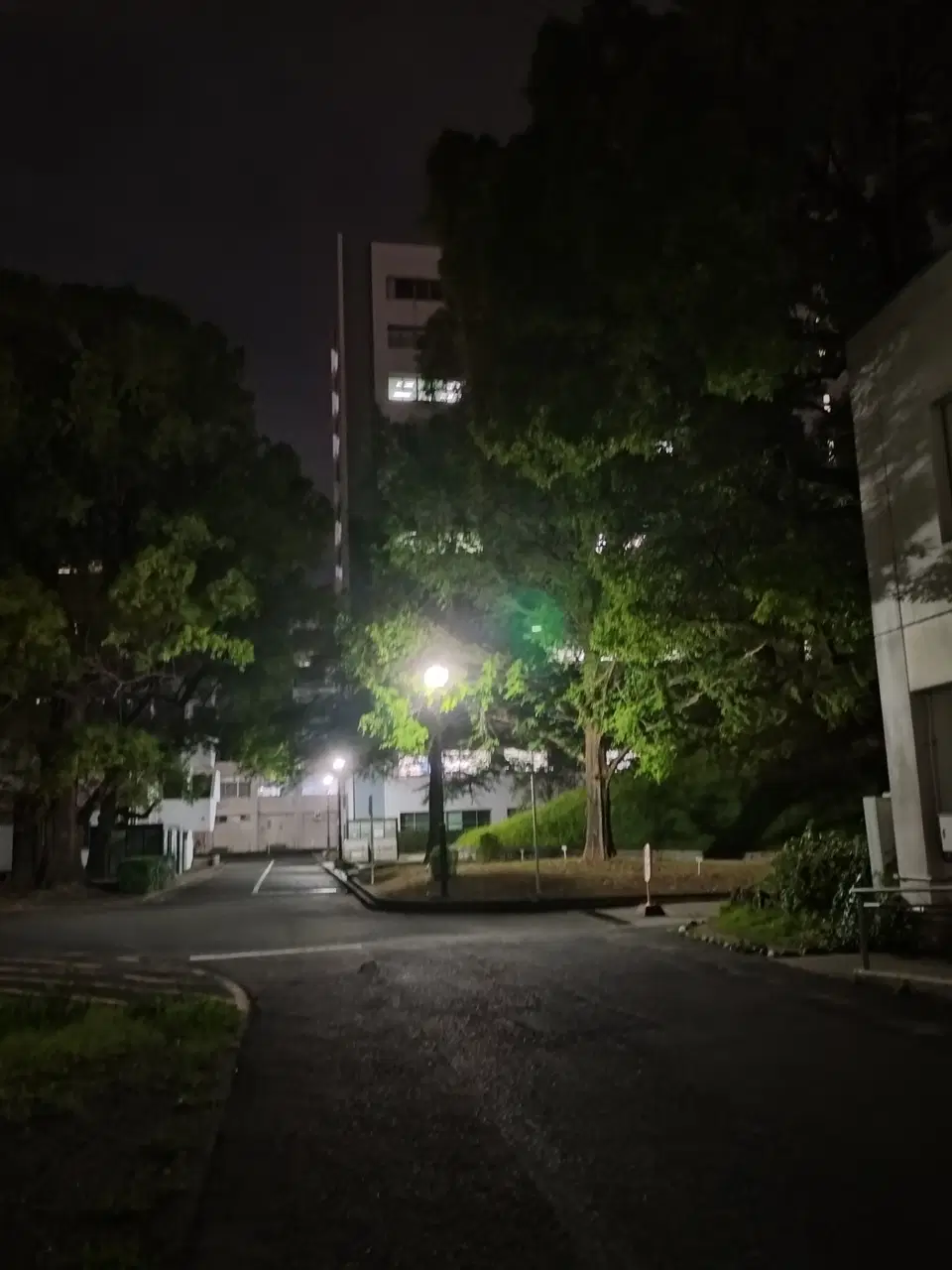
Location: Nagoya, NITech · Weather: morning — I slept through it; afternoon overcast but pleasant · Meals: as I manage — onigiri in the afternoon, udon-curry in the evening
A dormitory footnote
I forgot to write it yesterday, but the dorm comes with essentially no equipment: no bedding, no toiletries, no towel. You have to get everything yourself. Not new to me — I lived in the Schönherz (one of Hungary’s most notorious dorms, the welfare home of BME’s electrical-engineering faculty), and the supply runs are similar. My room here is bigger than that one was, though — and back then four of us shared it.
On the subject of shopping, it’s the same story again: if you don’t speak proper Japanese, you’re lost. Either you get unpleasant, sharp looks in the shops, or you buy something without even knowing what it is. What I have is plenty — mostly kitchen-table language. ChatGPT and Google Translate can be your friends, since Japanese characters are actually quite readable: if you know katakana, you’re fairly well off, because often half of Japanese words are loanwords… which is especially handy in shops. Aside from that, shop staff sometimes speak English, but if they do, they visibly don’t enjoy it — even if they cover it with a polite smile. And Nagoya is especially Japanese in such situations, since it’s not as cosmopolitan as Tokyo, so the assumption is that you should just speak Japanese.
Jetlag and stress
I’m ashamed of it, but I slept through the morning. I wasn’t quite well, for a number of reasons.
One is obviously the jetlag. It doesn’t usually affect me, but this time it hit especially hard. It completely upended my sleep — I only managed to fall asleep at 4 a.m. local time. Luckily the pillows and duvets I bought are remarkably comfortable.
For another — without disparaging the situation back home, much less specific people or institutions — I have to admit that the recent period has been very stressful. Finishing my doctorate, thirty thesis students, research and teaching work at two institutions. On top of that I now want to build a new lab, with all the administrative work that entails. An inhuman amount of work landed on me. It’s only a footnote that being a researcher in Hungary is decidedly hard — let alone trying to make a living from it. Now that I’m 10,000 km away I can finally let off some pressure; that, however, had a rather unpleasant side effect.
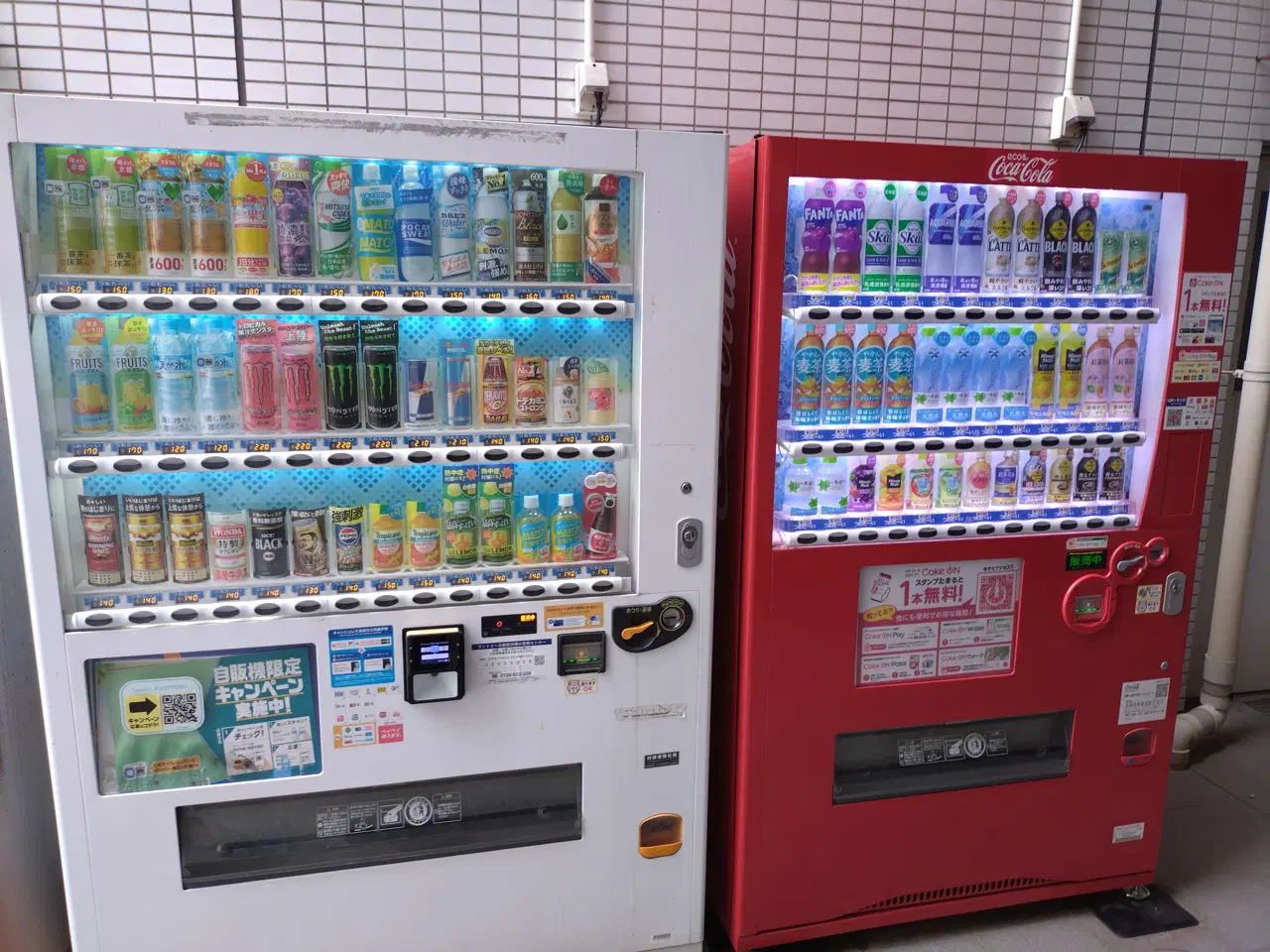
Third, I walked around without a hat yesterday and got a little sunburned. But that’s really a footnote, easily handled with coffee and tea — and those are on roughly every street corner from the good old vending machines, which I love.
I’m considering giving a heads-up about this, at least to the international office — that I was a bit unwell. But it’s worth doing once I’m well again, obviously not in zombie mode. Maybe I’ll go and then ask after a nice udon too. I have to pay the deposit anyway, which has to be done within a week.
Preparing for the seminar
I’m a little nervous, truth be told. Here’s the chance for HyMeKo — my own project — to stand before an international audience. I’m working on this through the day as I slowly come back to life.
In the end I pulled myself together around 16:00 and went in. I went to the international office to pay the deposit. I asked: if I was ill, should I report it to Kato? Yes, of course.
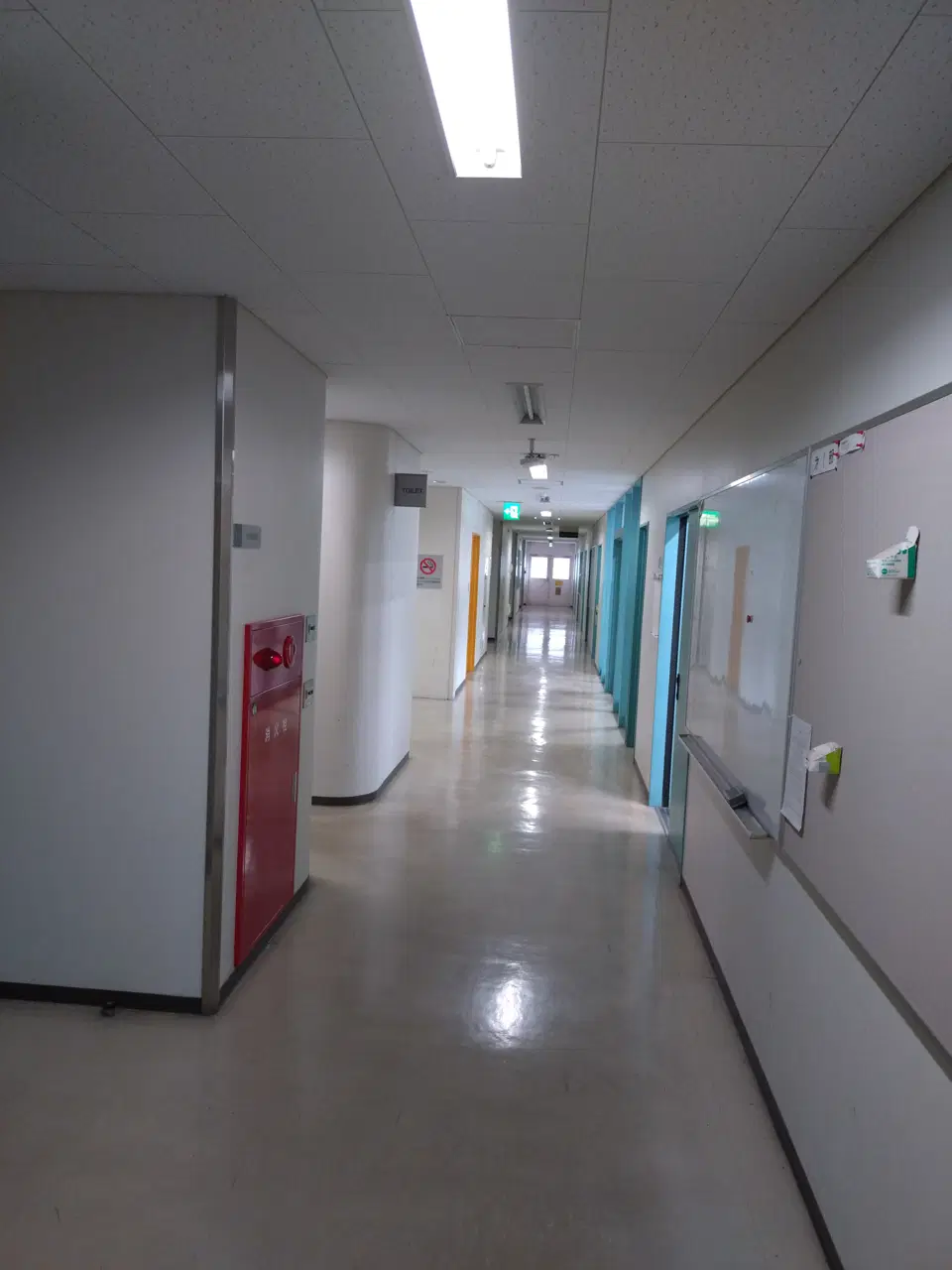
I went over to the other building, where I ran into Professor Kato in the corridor. We talked briefly; I apologised for being ill from the jetlag and not coming in. He smiled at the whole thing a little, of course. But I asked how I should prepare for the seminar — should I send him the full slide deck?
His answer was to send the title and the summary. That was good news for me, though someone else might have taken it as him not caring. For now everything seems to be going well. And it’s only Tuesday.
An addendum to the first day — the umbrella
Needless to say, the umbrella is very important in this season in Japan. Although I’d expected much worse — and it helps a lot that everything but the outdoors is air-conditioned — the rain really is something you can’t do anything about.
Roughly the moment I first arrived at the hotel, I bought an umbrella: the same plastic umbrella the Japanese use. Quite cheap, 2,000 yen. The one difficulty is that since everyone has the same one, they tend to get swapped.
The same thing happened to me. When I went to the izakaya on Monday, I set my umbrella down. But when I came out, there was no telling which one was mine — since everyone’s is the same. When I pointed this out to the waiter, he too just stared at the pile of umbrellas for a while. Soon he said I should just pick one. It’s probably an everyday thing, when every umbrella is identical.
Back in the dorm
Hungary checked in a little: a few meetings, quick change requests and bugfixes. They were fairly quick to implement, in the end. Then at 17:00 local time (10:00 back home) I joined a meeting for a currently hot project. Of course calls kept coming from home too. Luckily I managed to sort that out fairly quickly.
Science
I kept toying with new ideas; for example, the idea of a simulator is beginning to take shape through HyMeKo. My students don’t stop with the ideas — there’s a constant need to implement. Don’t get me wrong, I love these students of mine, who don’t ask “how do I do X” because they can’t be bothered to read the documentation, but rather “let’s submit X to such-and-such venue.” It seems this might finally come true, which could make tasks like computer vision a bit simpler. The community would like it, since right now there are very specialised simulators that are relatively hard to wire into a perception pipeline. We’re talking about simulators tied to Gazebo, or built on Unreal and Unity. There’s also IsaacSim, but its performance demands are ridiculously high.
That’s why the seminar should be prepared, too. The HyMeKo demos would make good showcases. I have to show that what’s happening here is a very good story and can help a great deal in bringing performance and ontology closer together. For HyMeKo, the thing to show is how hypergraph-based systems can help, what kind of data they can represent — and which problems are the ones where the derived neural networks can offer much more than the current SOTA architectures.
Closing
I’m working on the seminar after this: gathering the demos, trying to put together something striking from the HyMeKo framework. But I survived a day on which it was very hard to drag myself out of bed after an incredible bout of jetlag.
Photos