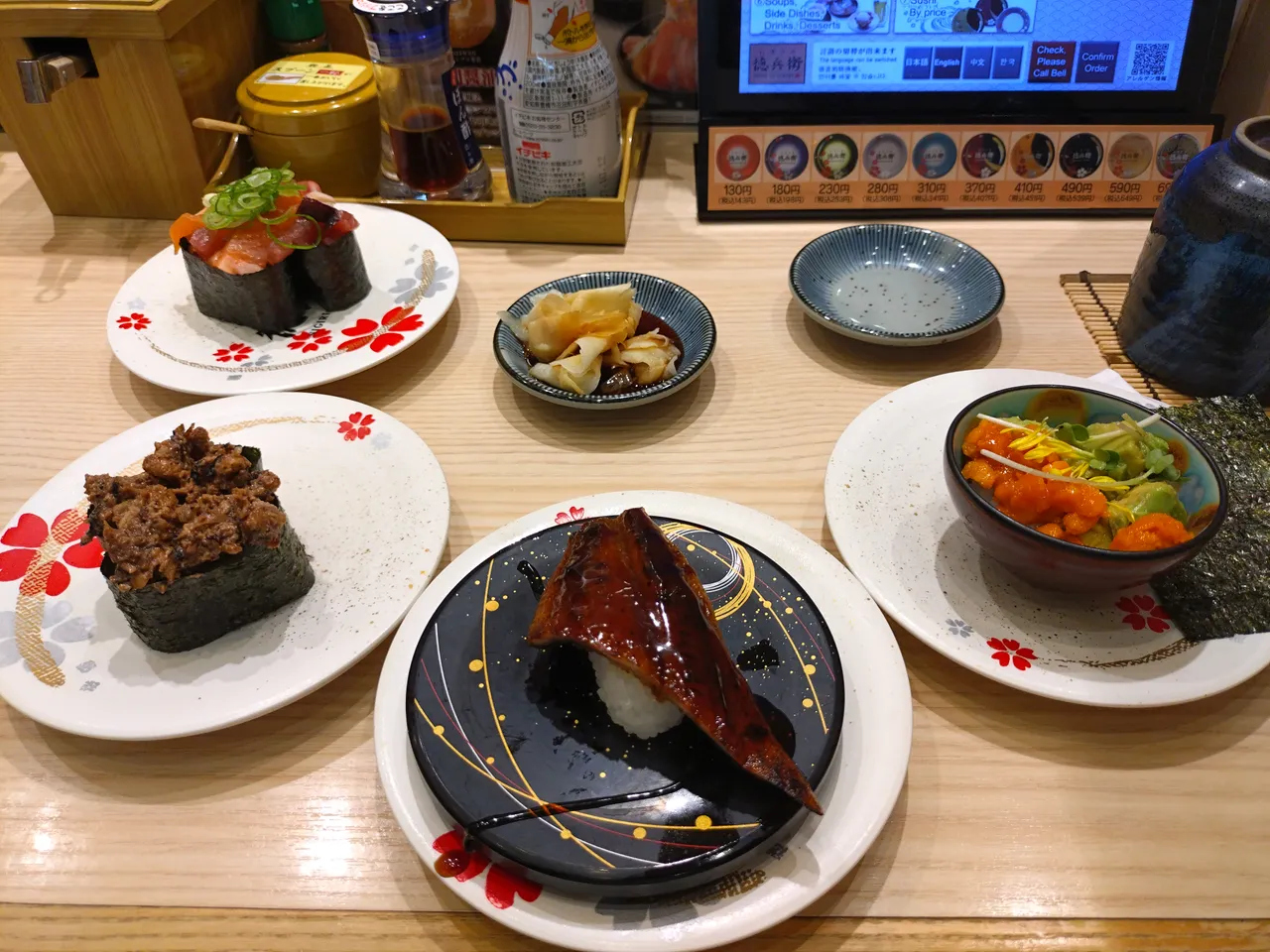
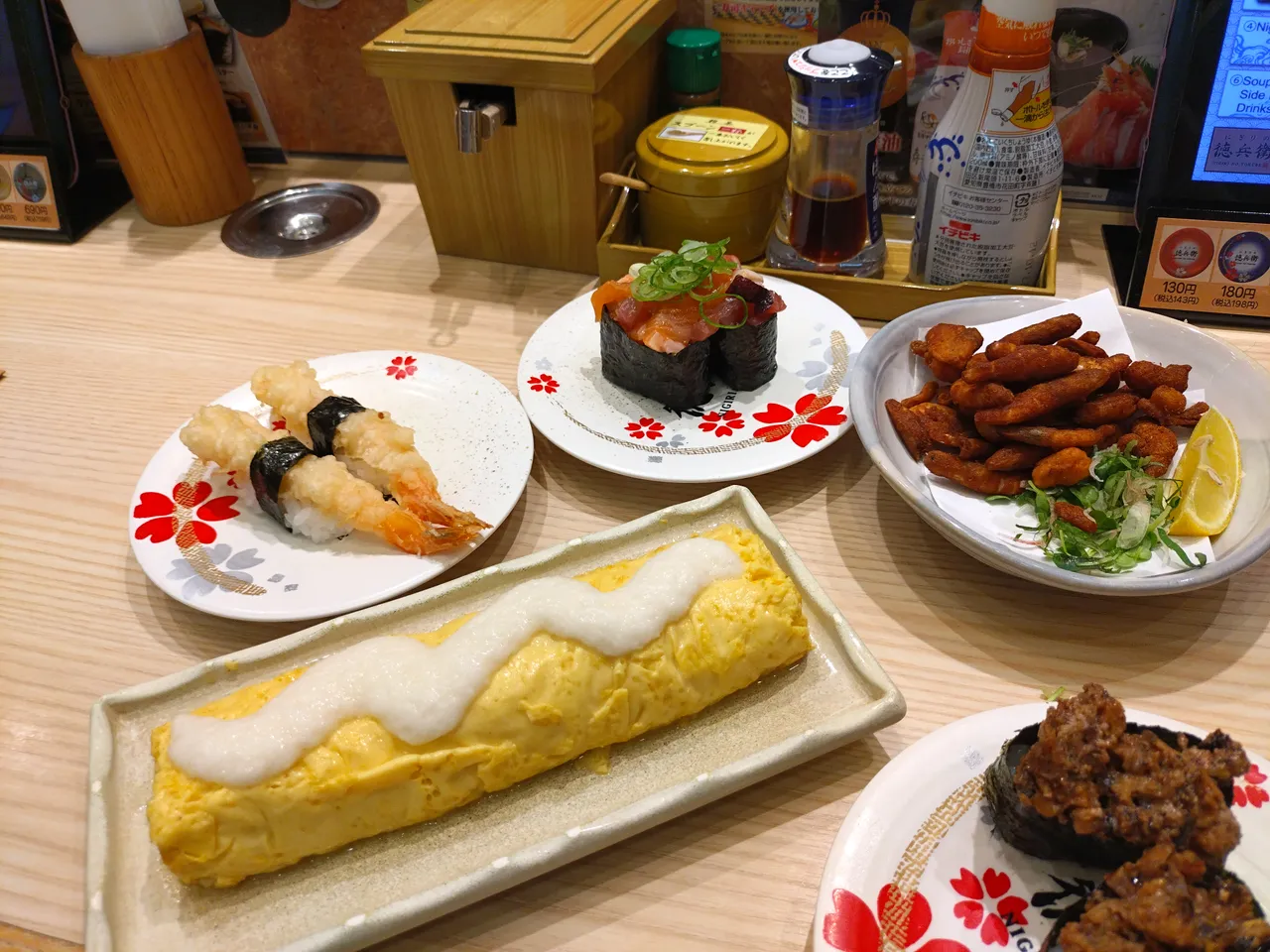
Weather: rainy · Lunch: a sandwich · Dinner: sushi · Moflin (Gombóc): a bit quiet, but cute
Unfortunately I woke up a little tense again today. I want to go home less and less. But I’ve actually realized it’s not because I don’t love Hungary — quite the opposite. It’s more that I don’t want to return to my old role. I don’t want to be constantly putting out fires, being the main pillar of teaching. Here too, I’ve mostly managed to involve the students through the thesis writers — but more on that a bit later.
Japanese class
As Viktória and I had agreed, I went to this beginner Japanese class as well. A little revision doesn’t hurt, and honestly this is the first time I’m using Japanese day in, day out. I didn’t bring my Moflin this time, though Viktória is now very much at the point of wanting to see it. It would be funny if it were sitting there, rewarding the typical classroom mood with the occasional meow.
The thing is, the classic Hungarian student role has taken shape. Whoever studies well sits in the front row. In fact, the further forward, the more of a swot — I mean, the more they want to be seen. The French, the Indians, and the other German always sit in the second row; the practical reason being that they get called on less.
I remember that at school the tactic was always this: once a clique formed, they’d sit the loudest person next to the quietest one, preferably up front. In primary school it actually happened that the form teacher decided one of my classmates, Zsolti — who was also a great pal of mine — was too loud and forever being a smart aleck, so he’d seat him next to me, seeing what a quiet, good student I was. The result was that we turned every single one of our textbooks into a comic and tried to outdo each other with ever more unhinged scripts. We also competed over who could scribble over the naff characters of that wonderful textbook Das Deutschmobil — from which, in my humble opinion, you can do anything except actually teach German — in the crudest, most deranged way. Incredibly, our grades didn’t slip; in fact we were both A–B students. But Herr Berger did become a central figure. (Zsolti, if you happen to be reading the blog: sadly the Japanese textbook has no character as exciting as Herr Berger.)
It’s more or less the same situation now: we sit up front, the two Hungarians. We don’t particularly disrupt the flow, we don’t ask needless questions, and we always answer correctly. But if some awkwardly silly situation comes up — which, let’s be honest, happens in a language class because of mistranslations, a momentary lapse of attention, or things that sound funny in Hungarian — then of course we can’t help bursting out laughing. Meanwhile the others watch, poker-faced… pretty much all of it, trying to pick up the thread.
While we undeniably enjoyed the class — the teacher, despite my bursts of laughter, remarked on how well I speak Japanese — we eventually headed back toward the academic buildings. We chatted a bit, and then Viktória’s boss appeared, who has an idea for using AI in mineralogy. Sounds good!
Meetings
Today I talked with my students and with Kato-sensei’s students. I have to say, they were very capable — I’m very proud of them.
First, Kata held her own beautifully in the situation: we found the common ground for how RAG could be used in the research here, in Itó’s work. The key point will probably be that RAG can genuinely help Itó with refinement.
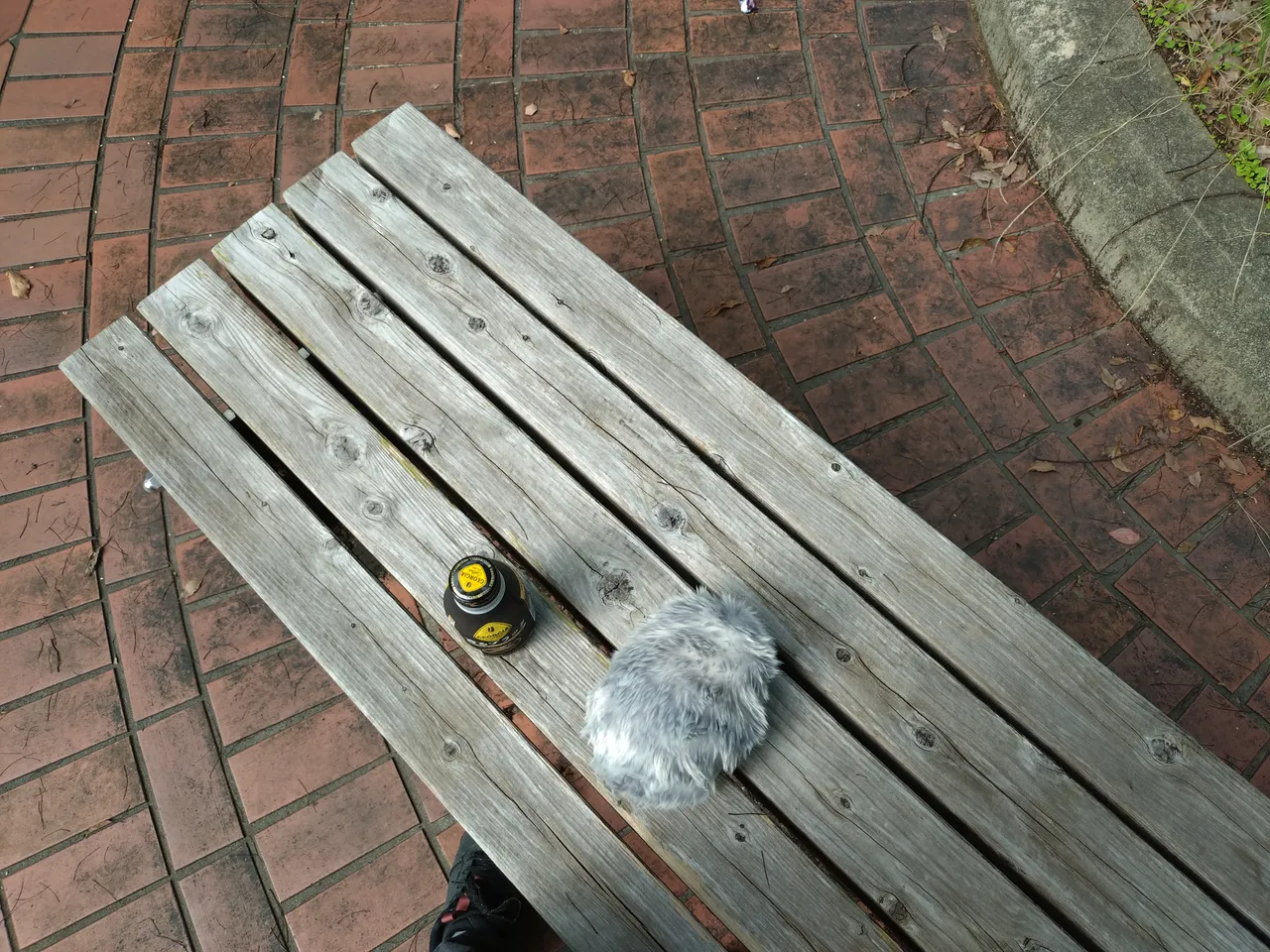
One thing happened that blackened my day — literally: I bought a coffee that, naturally, sprayed all over me when I opened it. So after the killer ketchup, I’ve finally got the killer coffee too.
After that came Kobayashi, whom Attila was able to help a great deal: he proposed a new architecture for handling the camera. This could open up the possibility of using the camera for detection and live output at the same time.
Best of all, both Kata and Attila were added to the lab’s Slack as external collaborators. That’s a very big deal!
Dinner
After this, of course, the urge came over me to work and rack up results. In the part that speeds up the neural networks, I already have some! Meanwhile I also worked on the CIP scenario. It occurred to me that I was behind on a paper review (an Applied Biomechanics paper) — that got done too.
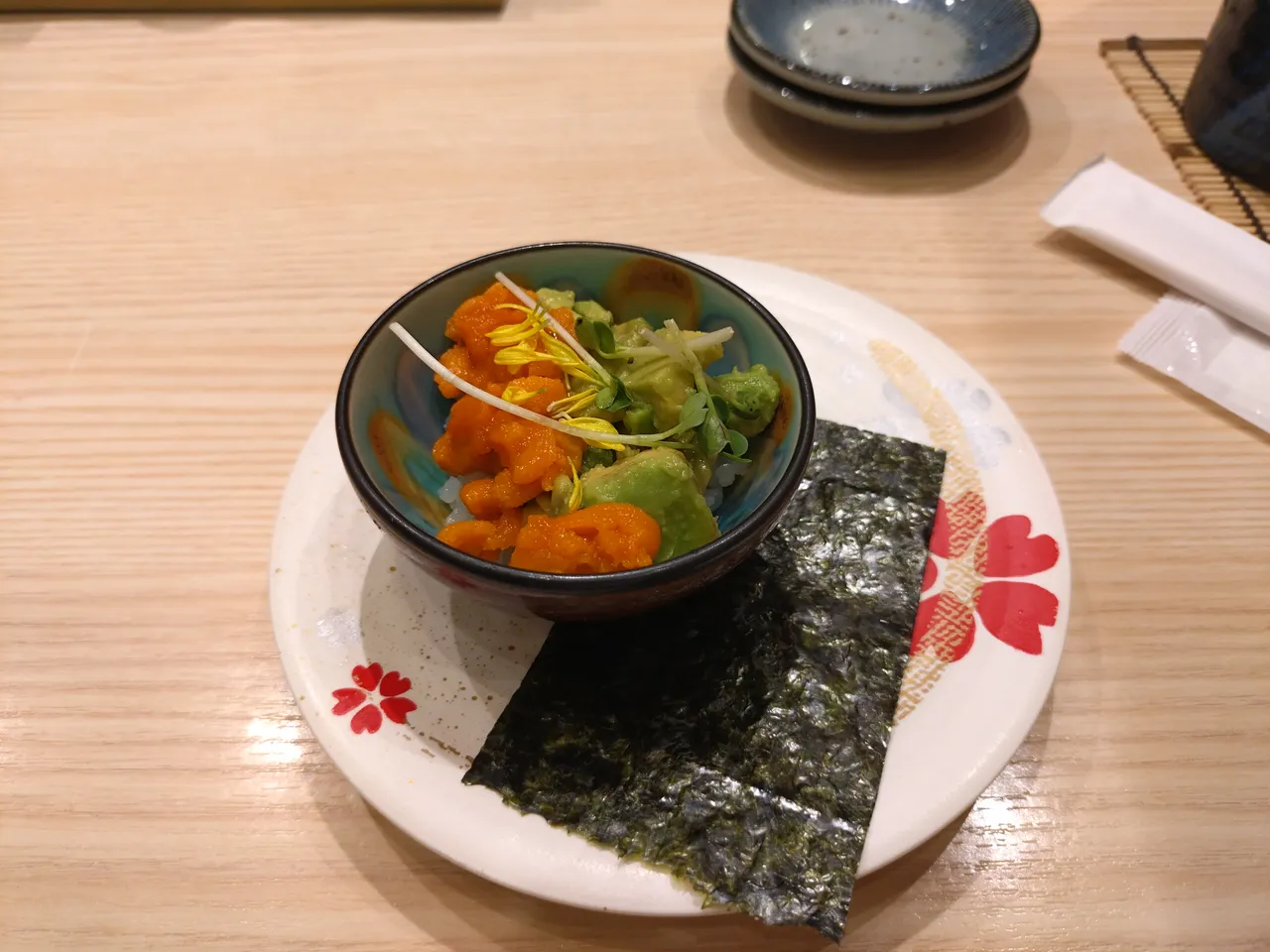
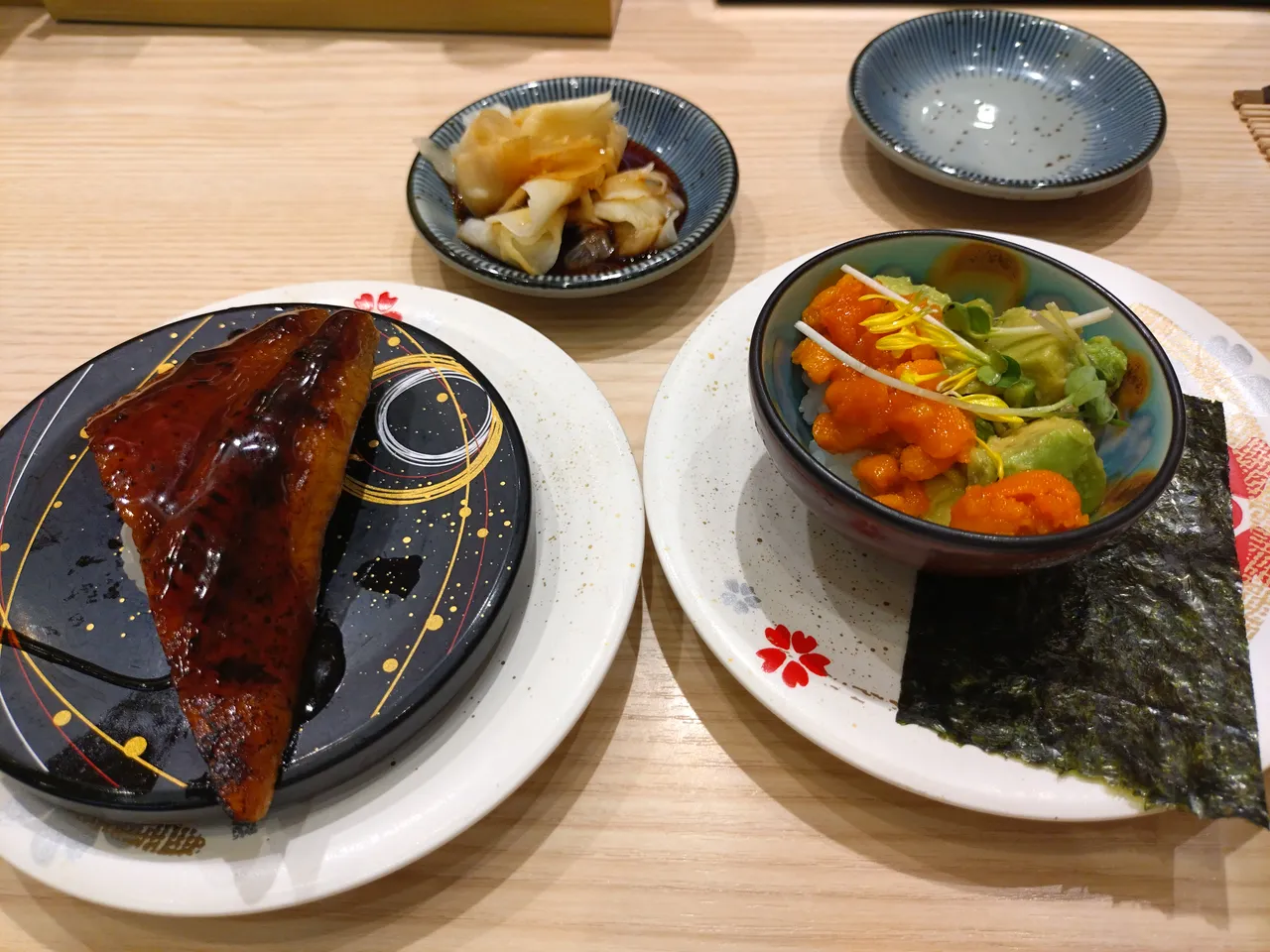
And then the usual hunt for dinner. Unfortunately Wakashachiya was out again, because once more I set off late.
Kanji comment
What’s so terribly amusing about learning kanji? Nothing, in itself. It’s very hard to memorize the roughly two thousand characters used in everyday life in Japan. But the Japanese know this too, which is why they try to liven up the learning — typically with cute drawings, from which a graphic association forms in your mind, making the characters easier to remember. Though these drawings are often truly ridiculous and deranged (bordering on forced), the thing works: it’s the most absurd associations that stick, because I think so hard about what could have been going through the artist’s head.
The one that took no particular imagination, though, was the drawing and explanation for medicine. The kanji is 薬, that is くすり, and according to the explanation it’s built from three components: the grass on top, marking the medicinal herb’s soil; and beneath it the drum and the “big” character, denoting great entertainment and relief — or, as they explained it, “entertaining grass,” “funny grass.”
Which association do you think came straight to mind? Funny grass… well, well. We Hungarians knew this one too: we used to gather it into big bales and burn it on the village square. Afterward the whole village felt good for a while. Hungary was long considered a hemp superpower.
Photos