Weather: sunny, decidedly pleasant · Sleep: quite good — I hadn’t slept eight hours straight in ages · Meals: probably onigiri again, something nice in the evening; from tomorrow I’ll get used to the canteen food
My first day actually going in to work. Although I got up at 11 and arrived before 12, it visibly bothered no one — there was no one in the office anyway. The lab, on the other hand, is full of students working, presumably on their own or Professor Kato’s projects. I was a little unwell again in the morning; I felt bad about not being able to come in earlier.
A bracket on the Hungarian situation
Before anyone thinks anything — from any perspective — let no one for a second think I’m going to randomly bash Hungary. I’m Hungarian, the country is my home and will remain so. My criticism is that we could learn a great deal and adopt things in a way that’s adaptable to our local situation. Sadly we’ve always thought in extremes: either we copied slavishly, or we resisted defiantly.
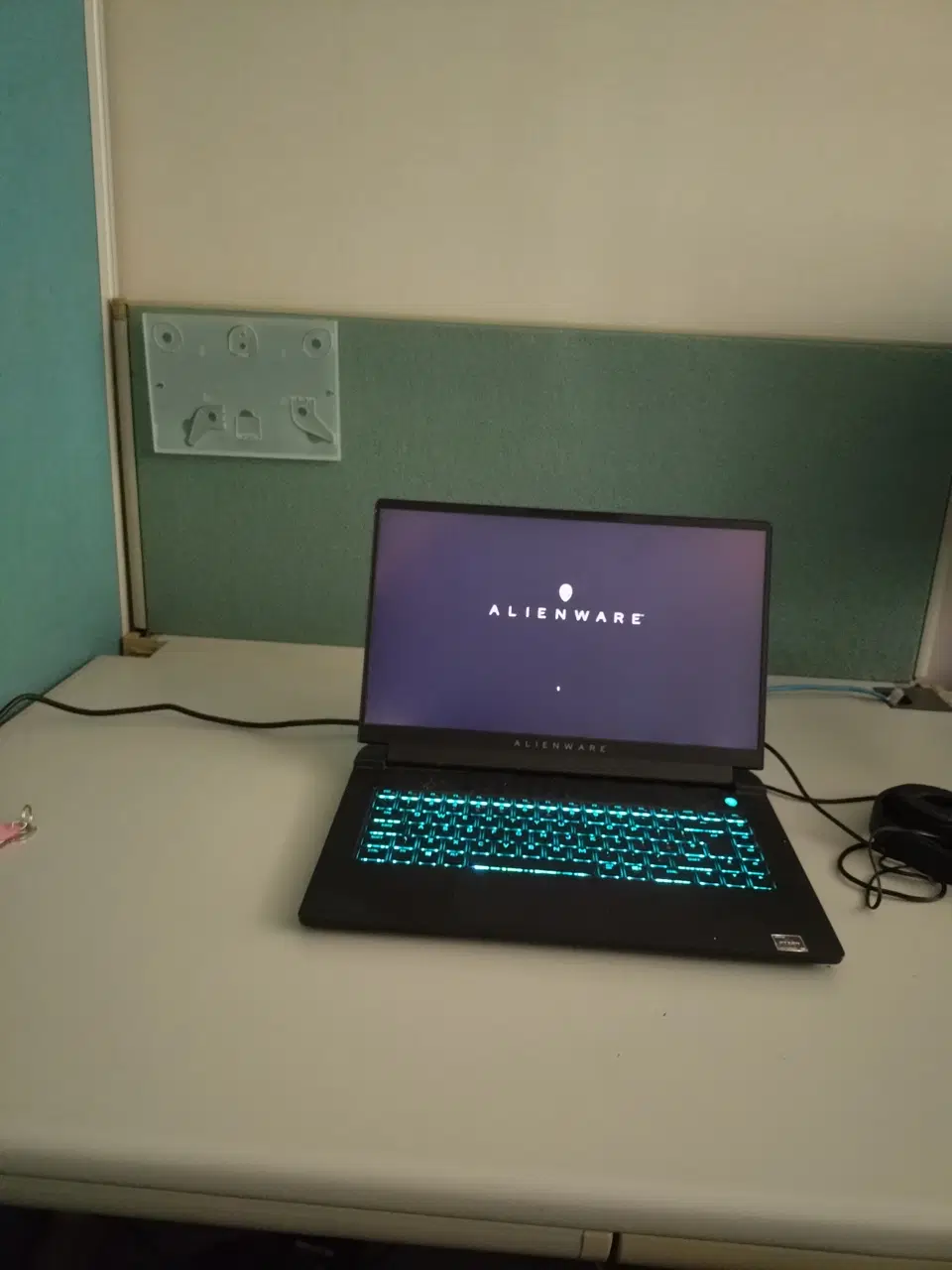
You could say: let’s do it the same way — let the students come in, work, sit there all day. But there’s a small bracket you can’t skip over. The students come in because there are plenty of resources here, alongside the relatively free research projects and a sufficient quantity of industrial projects. You don’t have to bring your own laptop, because there are new machines and proper equipment — it isn’t all propped up and held together jointly by students and teachers.
The other thing is organisation. In Japan — even if they often seem bureaucratic and inflexible — there really is a strategy for an awful lot of things. This isn’t necessarily good; flexibility is no bad thing. But it’s certainly better than the current Hungarian situation, where very often the organisation and the demands are reactive, almost reflexive (you might call it agile methodology, but it’s more like chaos). The work and the organisation had nearly turned me into a nervous wreck before I left home; lately an enormous amount of administrative work piled onto me. We should simply introduce and track simpler processes. And, of course, solve the problem of every organisation being underfunded — not at the top, but at the lower levels — and staffed with enough people.
And a message to Hungary’s managers and senior organisers, whoever they may be. Nothing gets finished, and people won’t work, just because:
- everything is controlled to death;
- someone is forever standing behind a person watching what they do (this is bloody annoying);
- one person holds every process in their hands;
- nothing serious will come of the forms and the reports either — they’re just paperweights if they hold no substance; if something is off, it will come to light without them anyway;
- and meanwhile people are stressed at work about how things should look around their desk.
Plus: using the blackball tactic (i.e. ostracising the person who isn’t performing well and trying to turn everyone against them) only damages the managers’ reputation. Thank goodness more and more of us are catching on and can defend against it. That works for the marines, but 99% of the world isn’t a marine.
The button-lock affair
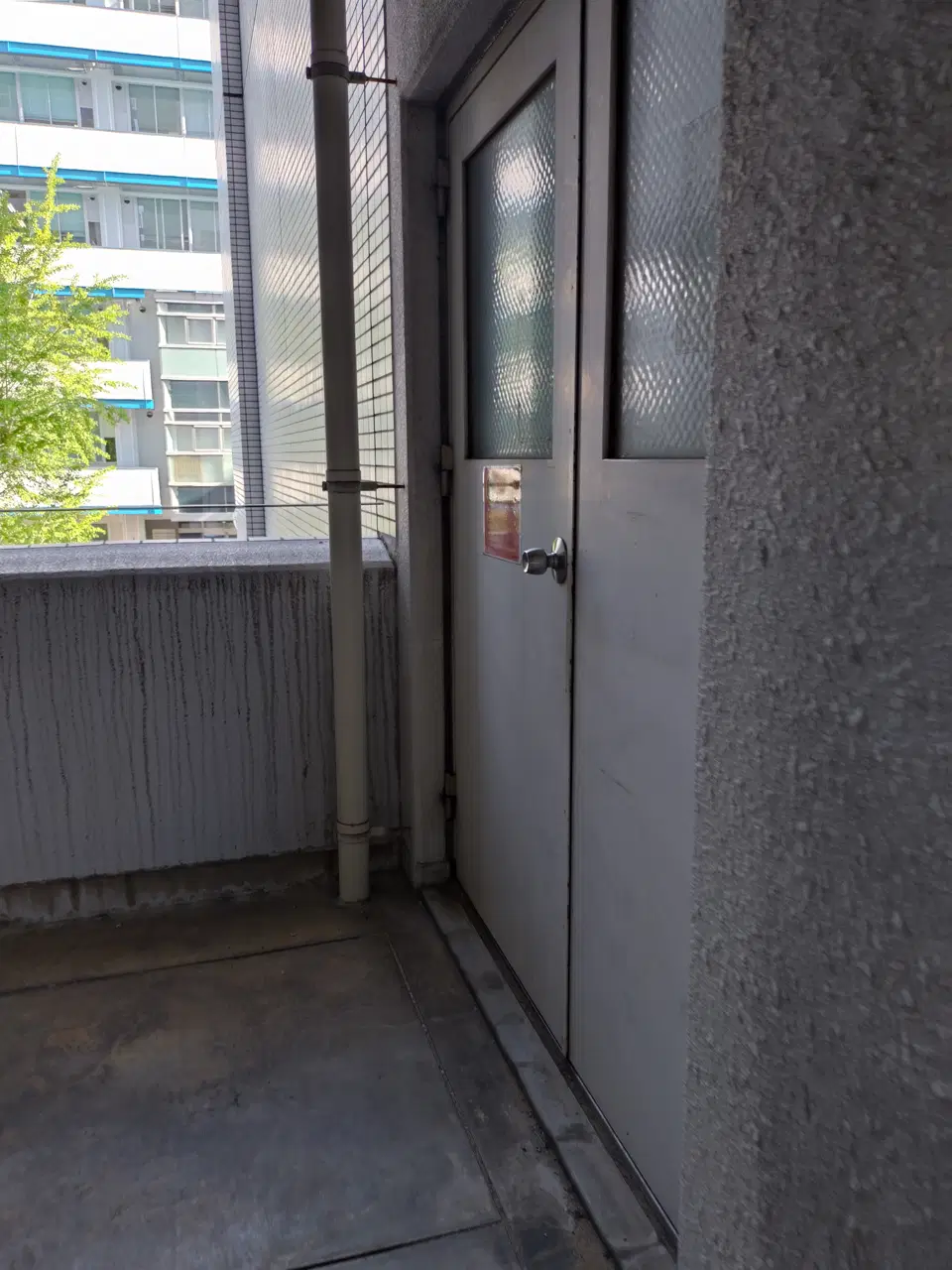
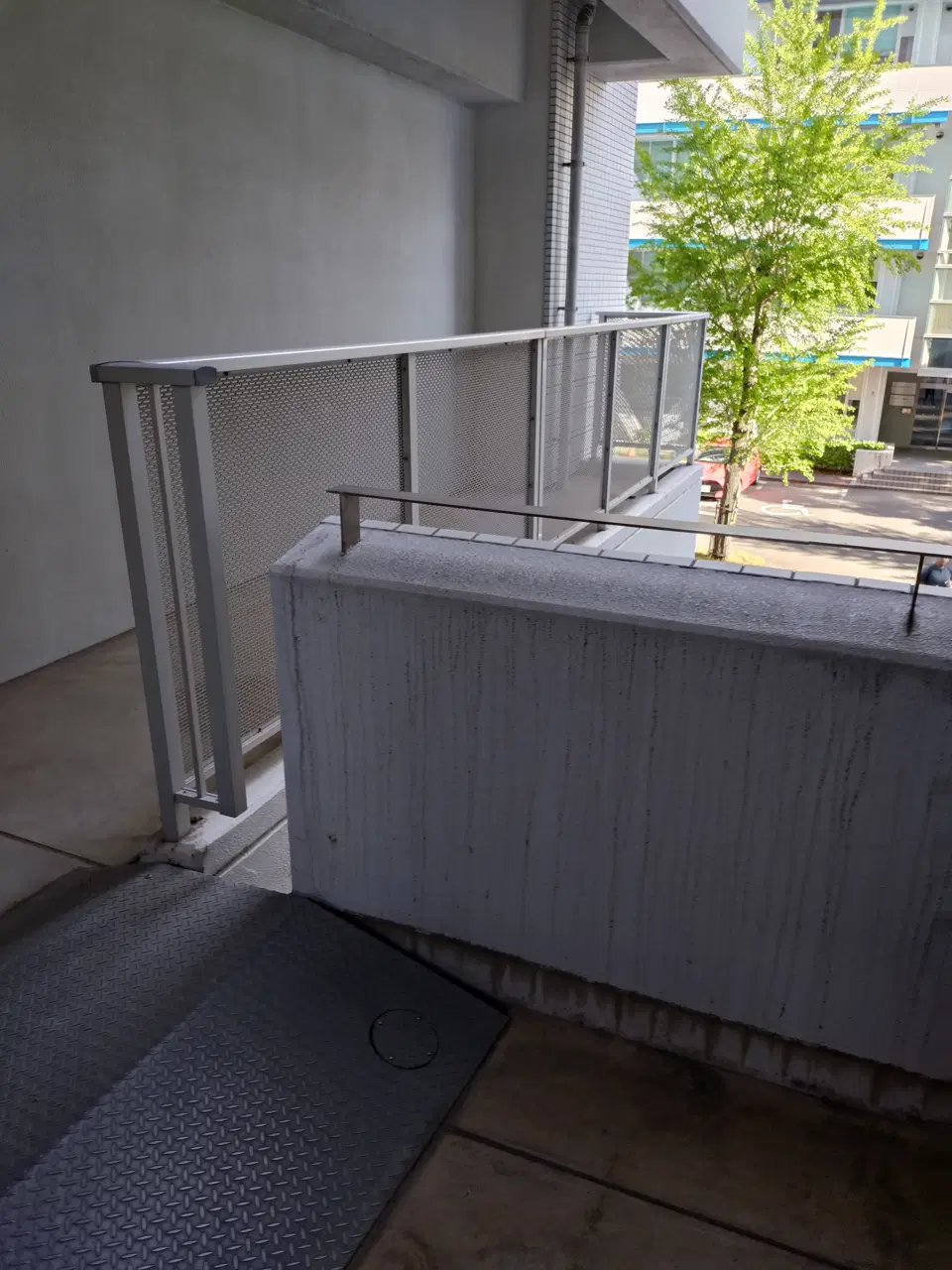
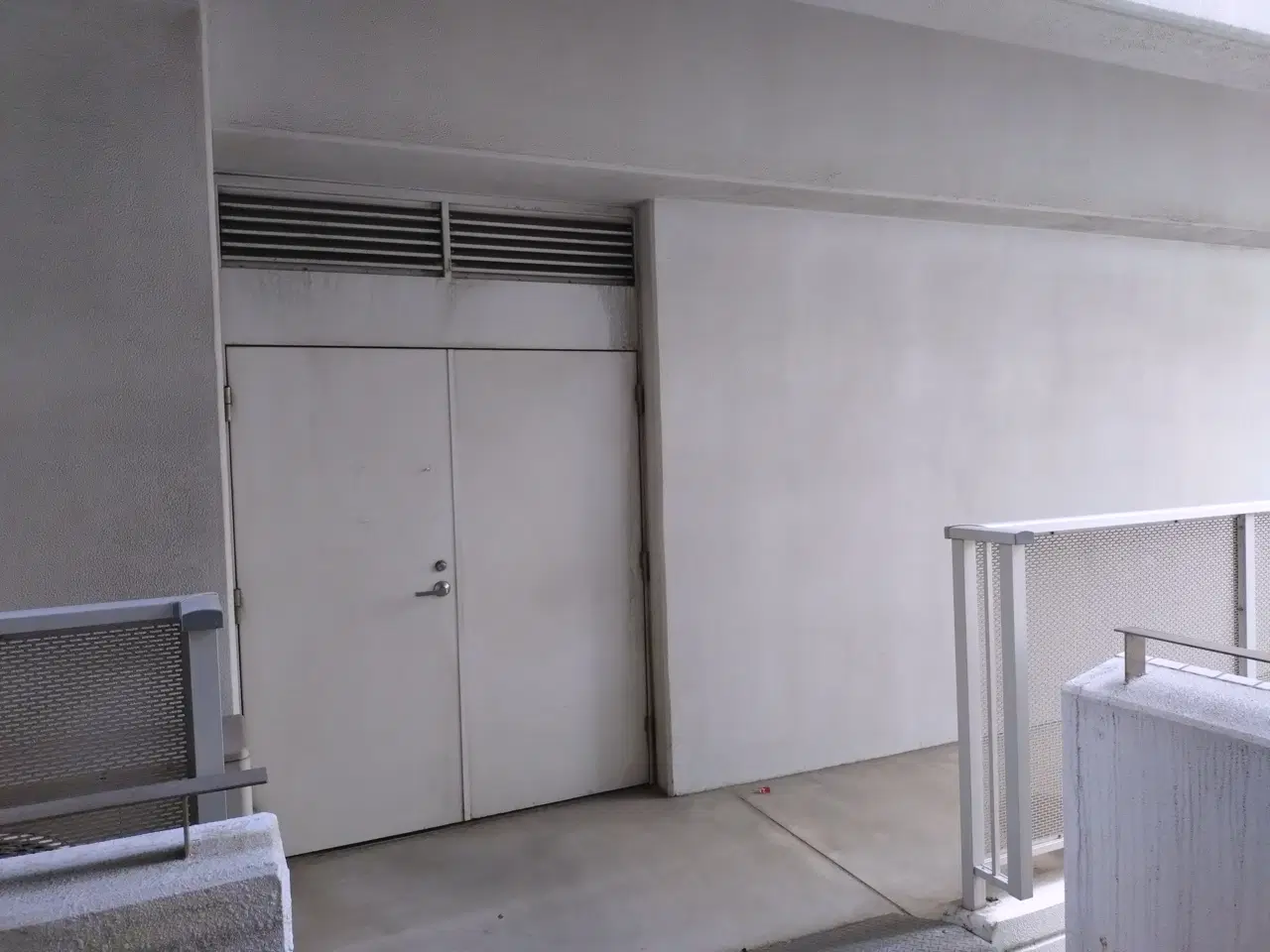
So, I decided I’d go in to work. I stop in front of my door. First thing: the key works, it goes fully into the lock. I turn it — the door won’t open. I even asked ChatGPT how to open a button lock; surely I’m doing something wrong. Either way, I felt like an idiot.
And it turned out I really am one. A student came out of the lab — a fairly pretty, brown-haired girl in glasses, with a pleasant, tidy appearance. By the way, no one here dresses particularly flashily: this girl too wore a short-sleeved shirt and long trousers, the charm being simply that she was clean and neat. I asked how to open the door, and she tried too. In the end she looked at the key and pointed out that I should go one door over. I’d been trying to get into the wrong room… of course the lock didn’t work. Then, smiles and laughter, since it’s a typically honest mistake.
I can imagine that someone might already have got annoyed by the whole thing.
Lab impressions
So, in the lab they start right away with setting up the local LDAP. That’s a feat. Not just anyone can sit down and use the local network. The LDAP registration happens locally, though — you don’t have to overload the poor institutional sysadmin at the institutional level. You’d think Japan is so strict and inflexible, but a great many decisions are made at the lower levels. I think that’s very efficient and could easily be adopted.
They also use Slack for communication, and the mailbox is already set up. Everything that matters: paper deadlines, events. And of course a separate channel for random things, to keep up team spirit. My labmate — who is an associate professor, by the way — is a rather relaxed, kind person. Typical Japanese look: glasses, black hair, usually a blue shirt. But fundamentally he has a pleasant, friendly air, and we both know there are still language barriers (sadly he says he doesn’t speak English well, and I try to say what I can in Japanese).
News from home
There was a bit of friction over a paper back home. Nothing major, a small misunderstanding came up around a topic, but my good friend Zoli managed to smooth it over. Meanwhile it seems the lab has moved forward too: apparently the department head managed to find equipment for the computer-vision lab. He mentioned it in a quick meeting, of course. My colleague didn’t mind that I had a quick chat, but in future I’ll try to find a spot where I don’t disturb him.
Working until 8
I wrote the letter to Professor Kato and essentially prepared the seminar to his wishes (I sent over the summary and the title). I still have a lot to get used to, unfortunately: I fell asleep at 16:00, went back to the dorm, and came back to work at 18:30. Life didn’t stop, meanwhile — Claude was grinding on the HyMeKo models and the demos.
As it happens, I’m fresher this way. I sent the theses off for review, finished a few teaching things, and the work with HyMeKo can carry on. It’s really a kind of rest, this. And, incredibly, I found myself thinking that I achieve bigger results with smaller steps.
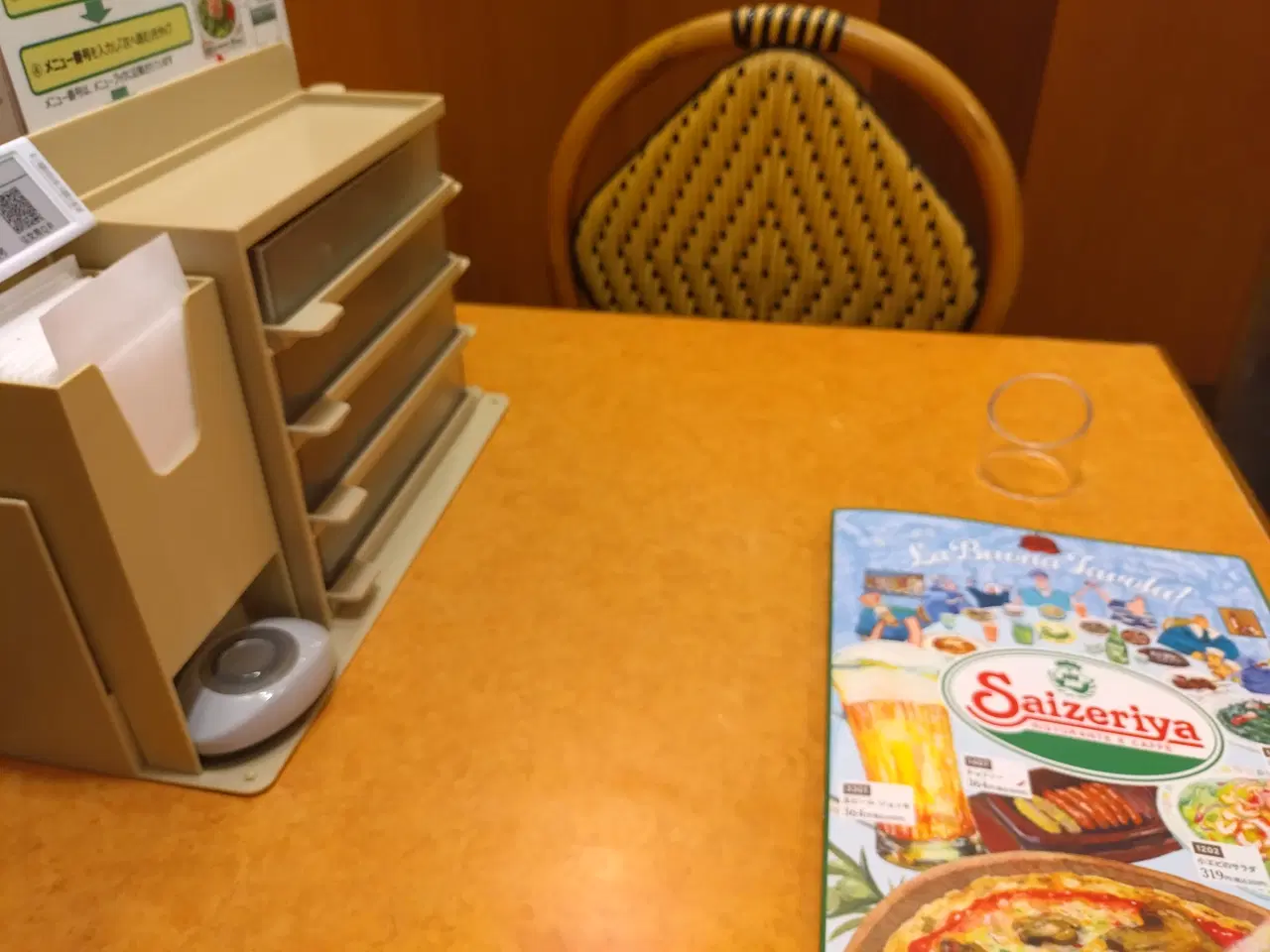
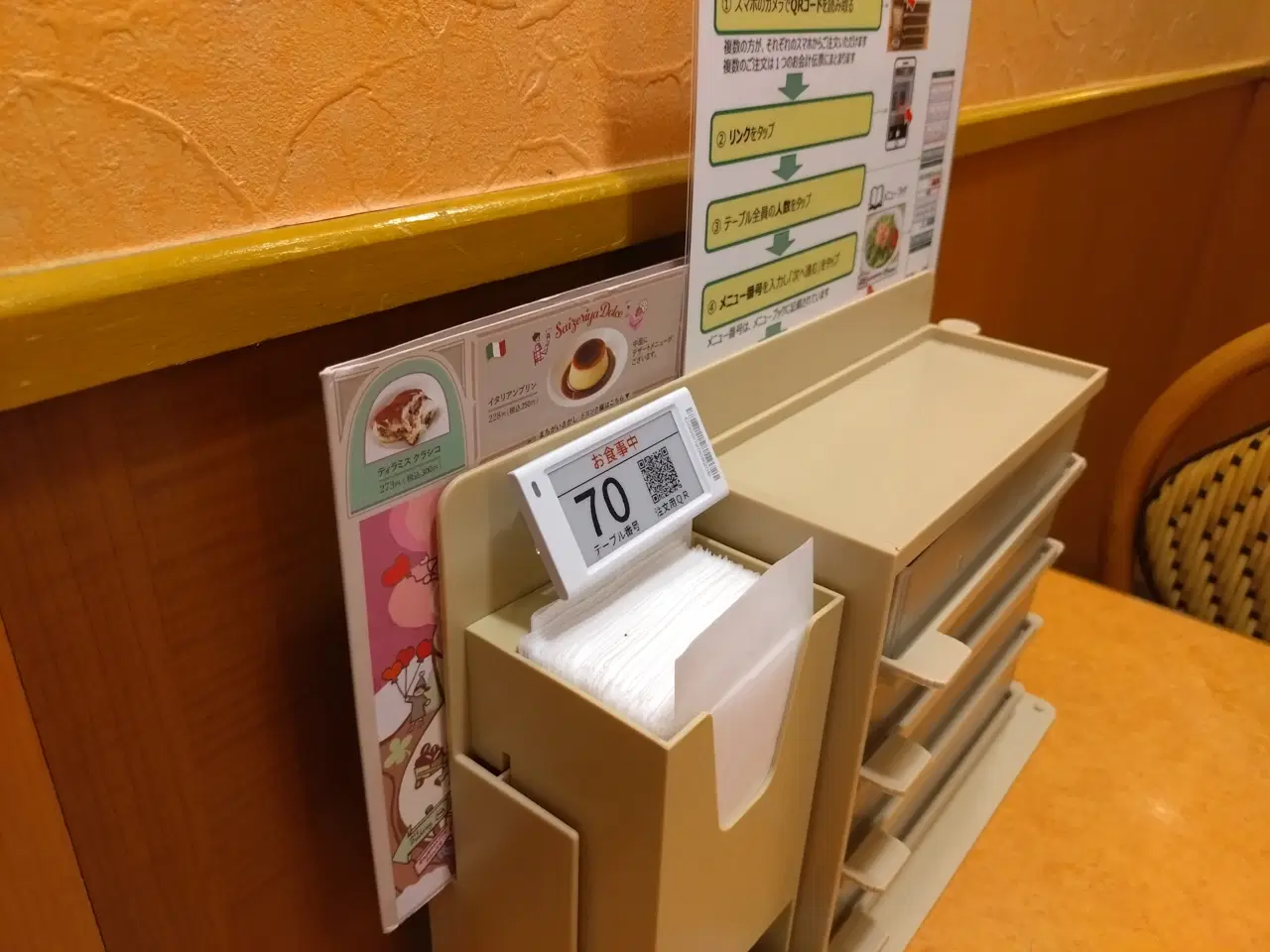
At 8, when I heard my labmate, Sakuma, packing up too, I stood up and headed out of the lab. From my experience so far it’s hard to find food around 8–9, so I asked what he could recommend. In the end I settled on Saizeriya, an Italian-style restaurant.
Food
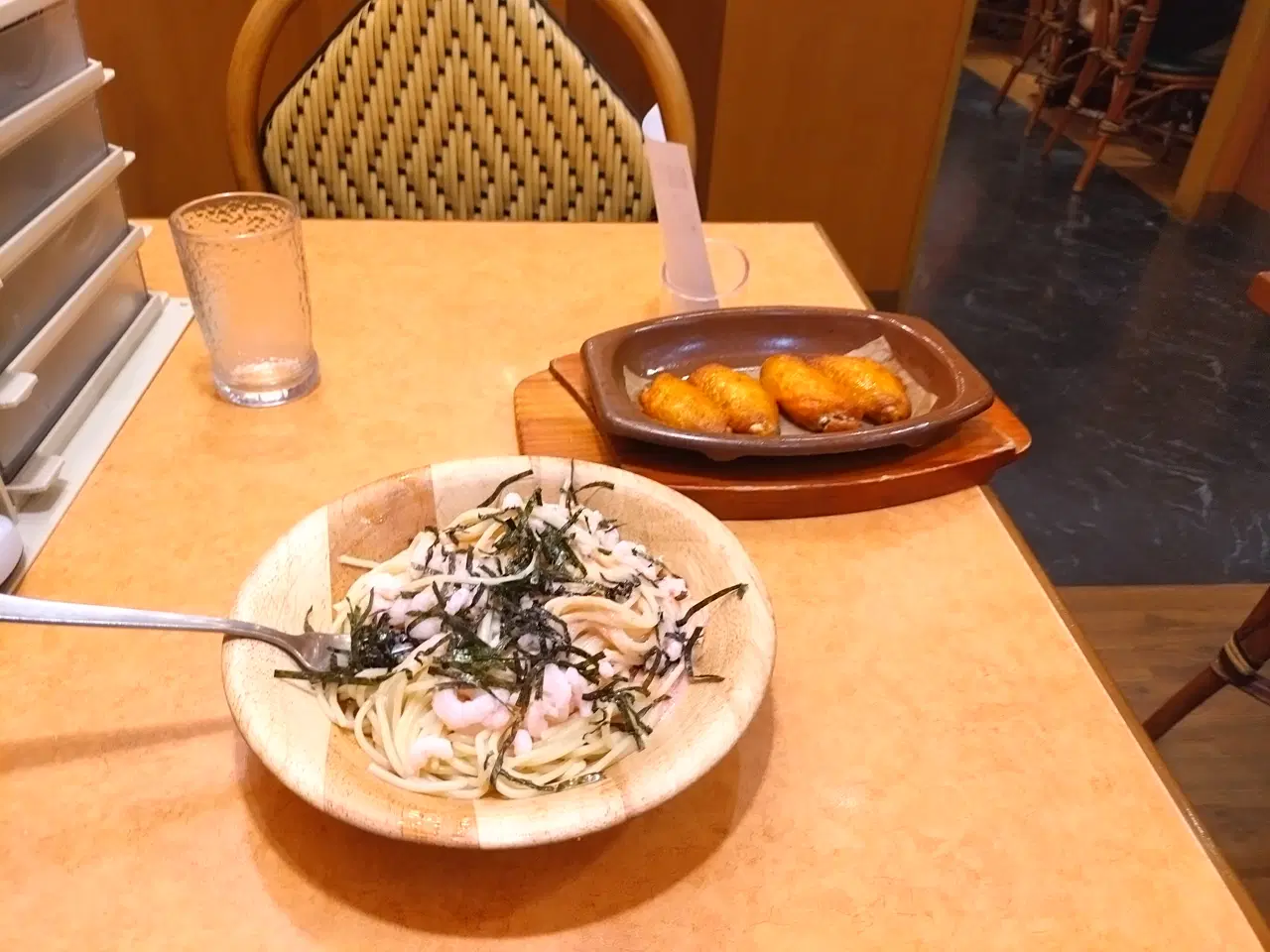
I have to say I did well to follow the recommendation: the food was tasty. And astonishingly cheap — 550 yen for a portion of spaghetti. That’s surprisingly cheap compared to, say, a portion at Vapiano back home (just for comparison: the two are similar in look and offering). The food was suitably mouthwatering: I ordered a spaghetti with nori, shrimp, and caviar. What I like about these smaller, lesser-known restaurants is that they adopt things but constantly smuggle in Japanese touches. Similar to country-style or Hungarian-style pizza back home.
Closing
By the end of the day all that was left was to buy a tea and a little soft drink at one of the machines. I considered making tea for myself at home, but honestly I’d rather not buy either a kettle or a pot to heat it on the gas.
Now there’s just one thing left. For one, I spoke with a prospective thesis student at 24:00 (17:00 for them, so I understand their situation). And for another, at 20:15 — that is, 3:15 a.m. local time — I have a Japanese exam from the Japan Foundation’s Marugoto course… well, good luck. One day I’ll surely sleep properly, right?
Photos